“With AI investments, learn to walk before you can run.”
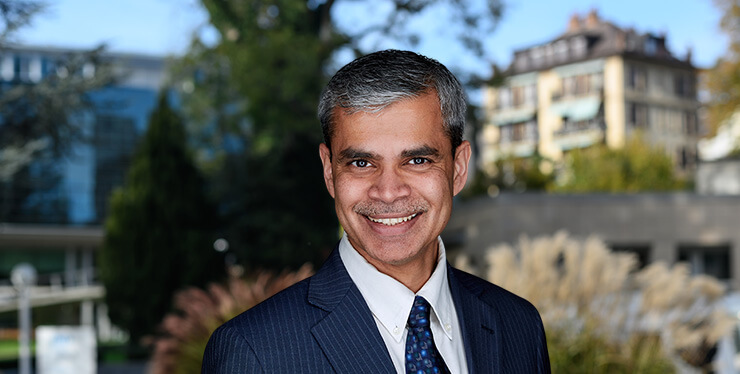
Robert Hooijberg
Professor of Organizational Behavior
With all the hype and bold predictions of AI replacing key functions and jobs, it is good to remember to walk before you run. Executives who focus on small, problem-solving wins with AI, rather than those who focus on AI moonshots, will be the winners in 2026. Amid economic unrest and geopolitical uncertainty, leaders who prioritize tackling small but meaningful headaches and opportunities will win trust with their companies and workers. The small wins will build confidence, engagement, capabilities, and new opportunities. This then sets the foundation for productive and meaningful use of AI.
“This is the era of the COO: the highest ROI will come from deep operations, not customer-facing AI.”
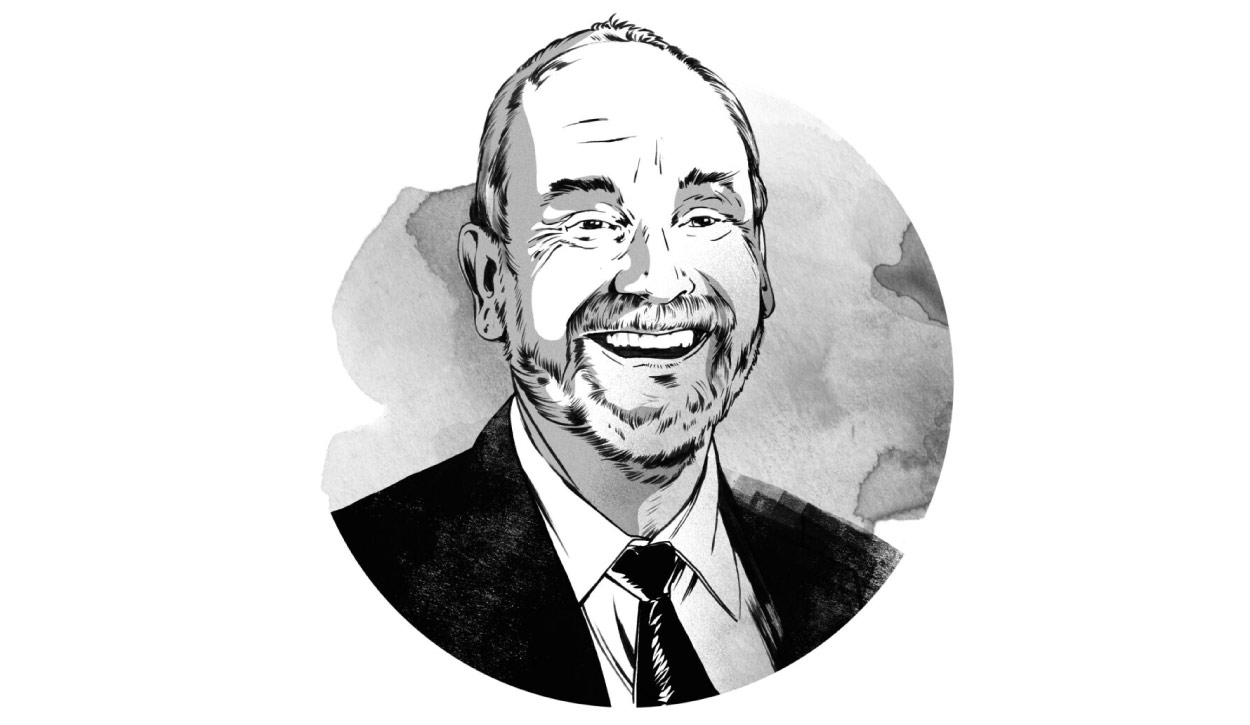
Michael Wade
Professor of Strategy and Digital and Director of the Global Center for Digital and AI Transformation
This shift is perhaps the most counterintuitive. While marketing, sales, and customer experience functions generate headlines, the greatest and fastest return on investment in 2026 will come from AI embedded deep in the value chain, particularly in supply chain and core operations.
Organizations will focus their AI activities and investments far more on cost minimization, cycle-time reduction, error elimination, safety improvements, and productivity gains than on creating new revenue streams. For most companies, the next 12–18 months will be about efficiency, reliability, and resilience, not moonshot innovation.
Together, these shifts signal a new organizational logic. As AI becomes more embedded in organizations’ structures and systems, the COO will become its most influential champion within the C-suite in 2026, overtaking the CIO, CTO, and CMO in many companies. Organizations that prepare now, by redesigning workflows, upskilling managers, and identifying where autonomous operations can deliver disproportionate value, will be the ones who define the competitive frontier of 2026 and beyond.









 Audio available