
Energy
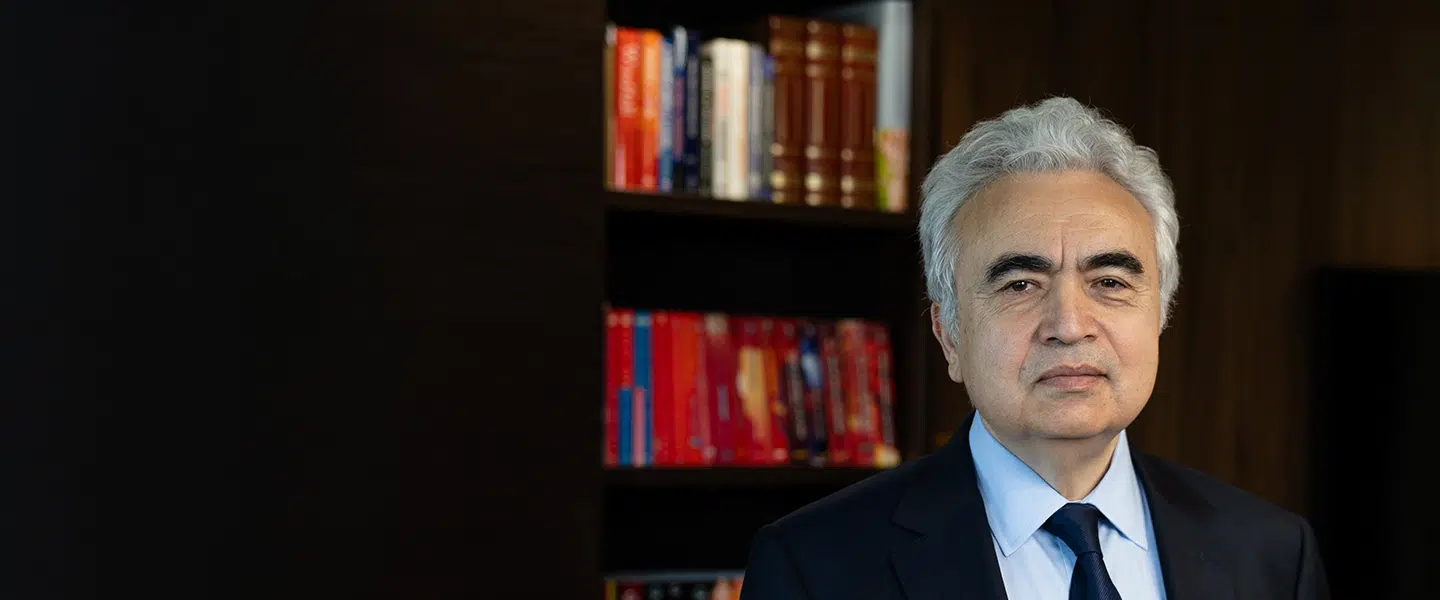
IEA chief Fatih Birol on how to navigate the age of electricity
IEA chief Fatih Birol on the age of electricity, Europe’s strategic energy mistakes, the Hormuz shock – and why trust is now an energy asset.

IEA chief Fatih Birol on the age of electricity, Europe’s strategic energy mistakes, the Hormuz shock – and why trust is now an energy asset.

How can leaders stay competitive amid geopolitical uncertainty? David Bach explores resilience, AI, energy security, trust and European reform

Once the preserve of men in pinstripes, international sports stars have redefined the art of diplomacy. Lindsay Sarah Krasnoff explains the new rules of the game and how business leaders can benefit from using similar tactics.

Only Elon Musk can fire Elon Musk. This does not bode well for investors, pensioners, or democracy, warns Jerry Davis.

Simon J Evenett explores 250 years of contested American identity, and explains why tracking these deep philosophical battles is crucial for managing corporate risk

Digital sovereignty in Europe remains more rhetoric than reality. Closing the gap requires industrial capacity, not just regulation.

Explore first person business intelligence from top minds curated for a global executive audience