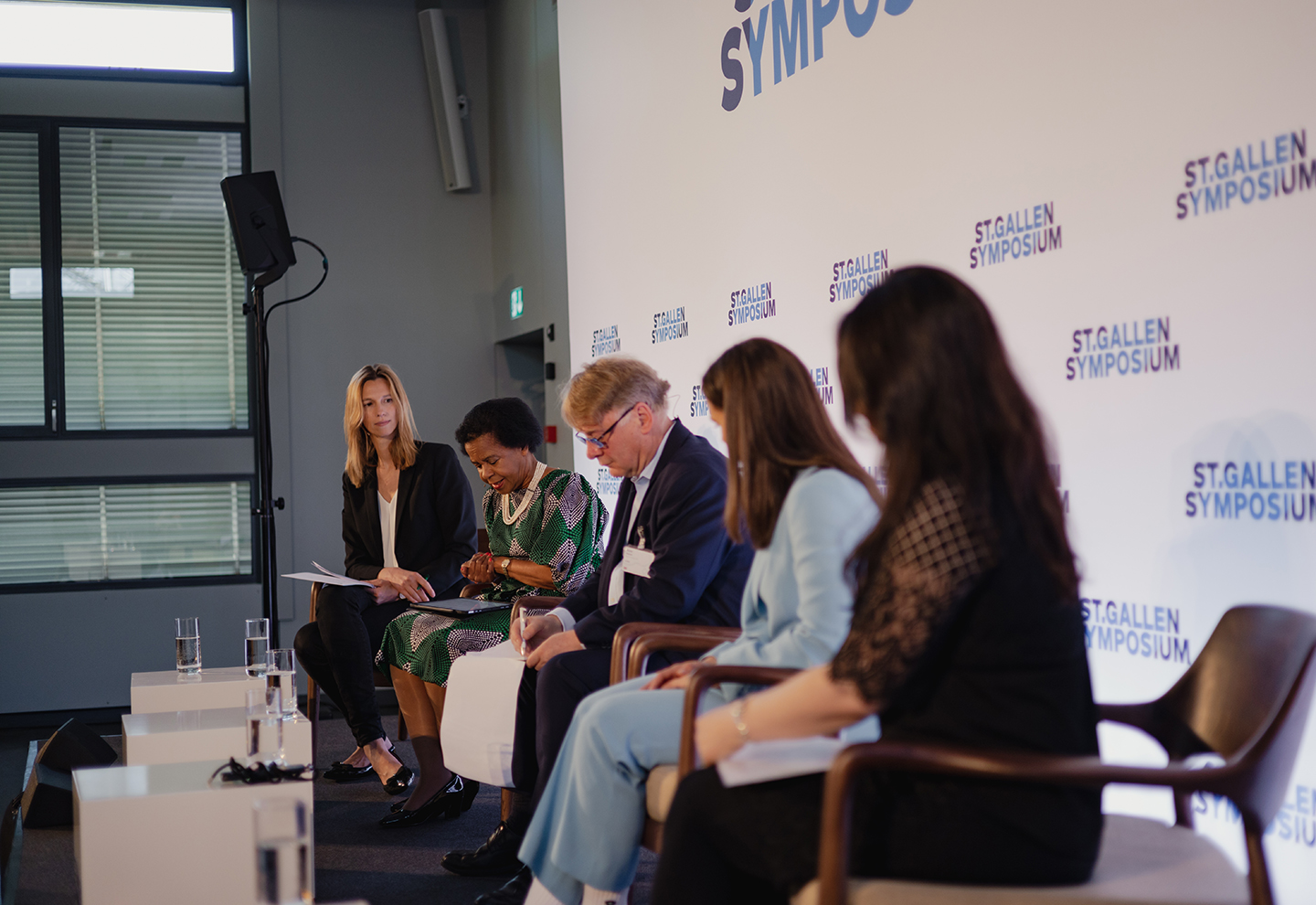
A group of panellists who convened on the same day as the release of the third edition of the annual IMD-SUTD Smart City Index have said that smart cities of the future will need to put citizens’ needs in front of fancy one-size-fits-all tech solutions, if they are to be successful in enabling digital tools to enhance citizen wellbeing.
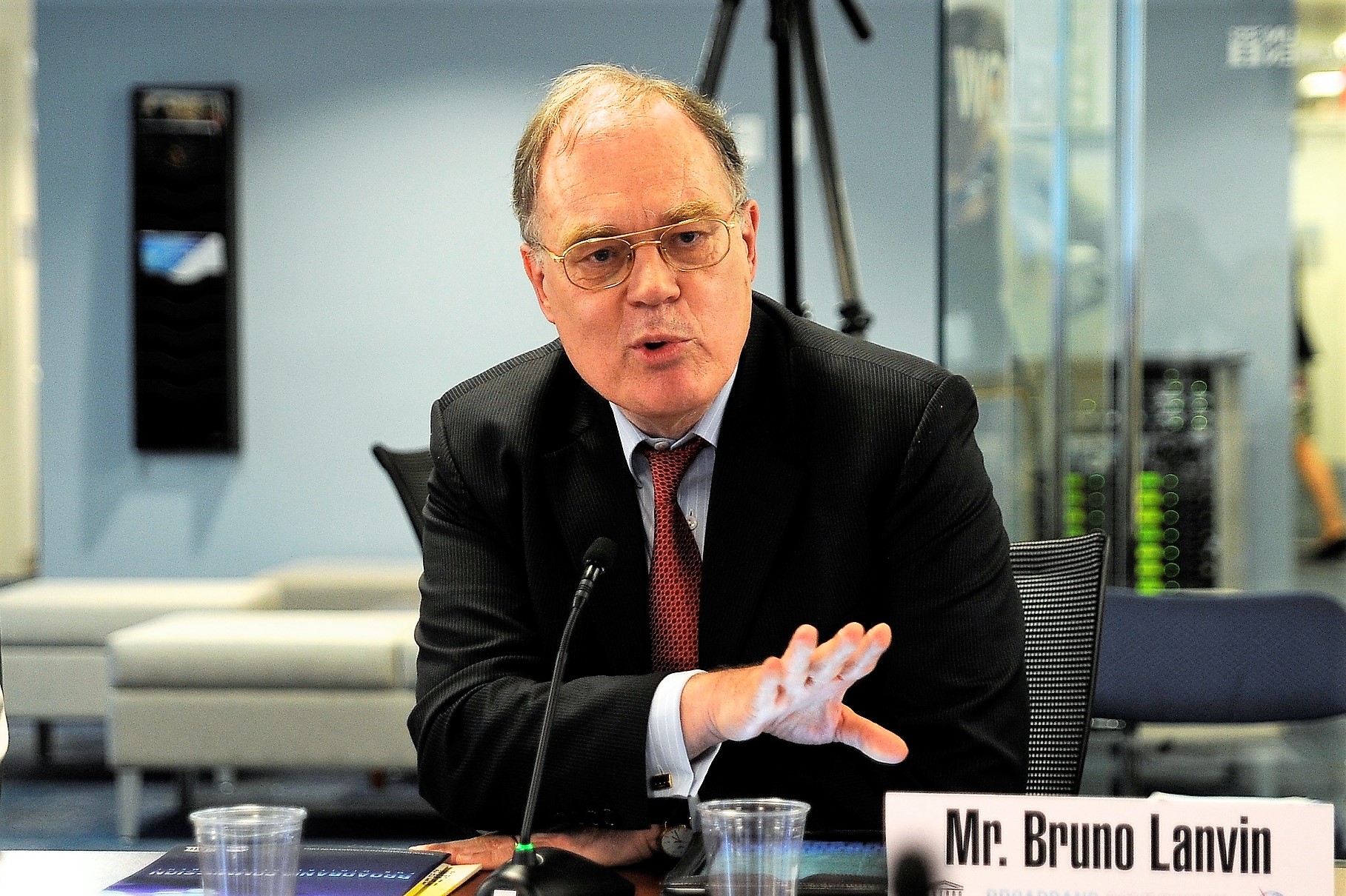
The panellists – variously based in Geneva, Dubai, Singapore and Lausanne – threw out ideas on their respective experiences, giving decision-makers in cities food for thought. They were moderated by Dr Bruno Lanvin, President of the Smart City Observatory which is behind the Index, in collaboration with IMD and the Singapore University of Technology and Design (SUTD).
“Cities first need to engage with citizens to understand their needs and can then leverage technology to address these needs,” said Alice Charles, Cities Lead on the Infrastructure and Urban Services Platform at the World Economic Forum. “It is imperative that cities focus on enhancing the digital literacy skills and accessibility of the technology, too, if it is going to be of benefit to citizens and drive inclusion rather than exclusion.”
Professor Cheong Koon Hean, Chair of the Lee Kuan Yew Center for Innovative Cities of SUTD, said of her hometown Singapore – number one in the Index for the third year in a row: “When we talk about a digital society, the key is digital inclusion. It is about improving digital literacy, and constantly training people to use the smart tools and available services. We also developed a national digital identity to make it easy for people to transact and use government digital services.”
‘It’s not only about the tech’
Smart cities must be people-centric to address the needs of cities’ residents and visitors, the panel agreed. And that’s where the role of data comes in.
It’s not just a case of using government data, but also of combining it with that of the private sector – for instance from mobile operators – said Hazem Galal, Partner and Global Leader for Cities & Local Government at PwC Middle East.
“You need this data to understand how a city works in a dynamic way, and at different times of the day. For instance, to understand tourists’ behaviour by combining data from multiple sources so that you can predict how segments such as the British visitors in Dubai typically spend their time and plan their trips in advance,” he said.
This data needs to be used in a way that doesn’t sacrifice privacy but that helps to understand peoples’ behavior and to provide the right set of services. “That’s what Abu Dhabi and other cities here in the Middle East are doing. For instance, asking: who is vaccinated? And linking that with access to government/public buildings.”
Emerging cities can leapfrog their way to ‘smartness’
How should cities that don’t have the tech right now prioritize, in order to get onto the Smart City path?
“Emerging cities have the opportunity to leapfrog several stages of development and develop sustainable, resilient and liveable cities, and not make the mistakes we did,” said Charles.
“Overall, they need to think about the internal governance, capabilities and processes to put in place; the external stakeholders they need to engage with; and focus on delivery excellence. They need to establish digital leadership and create a vision and ensure cross-departmental relationships regarding the deployment of technology. Each city is unique, so a city needs to find its own flavor. Solutions designed for the west coast of the US won’t work for cities in India.”
She also advised cities to work with existing corporates in their cities and to upcycle technology so that impoverished areas could get access to the tech, adding:
“What’s more, an environment that is agile in its attitude to risk is optimum. You need to test, learn, scale or test learn and fail – and learn from it.”
When funding falls short
Due to COVID, cities had their budgets severely impacted and have had their wings clipped in terms of offering new infrastructure. Funding gaps manifest themselves even more in developing countries and cities.
Cities also face the challenge of how to make smart scalable in a cost-efficient way. One option is to overlay new technology onto existing infrastructure, said Professor Cheong. She cited how Singapore had – for instance – been working on mounting sensors on existing lampposts and tapping on their power source, adding: “There is also a need to invest continually to boost infrastructure as technology evolves.”
So how can cities overcome financial issues? “We need national programs. And we need multilateral development banks to help provide access to funds in a transparent way,” said Galal, referencing as an example, Smart Cities Africa, an initiative operating out of Rwanda.
Private-sector banks and institutional investors are “undertapped by cities”, Charles agreed. “They have the money available and yet there is a lack of bankable projects with the risk profile and structure needed to attract investments. So cities need to focus on properly preparing projects, so they can attract investment,” she added.
Better late than never, in designing for future scenarios cities are now looking carefully at what citizens need regarding issues as diverse as climate change and the future of shops.
Above all, they need to be “embracing tech as an enabler, but not as a silver bullet,” Charles said.
Going forward, resilience must become an additional consideration in the development of smart cities, to address health and environmental risks, said Professor Cheong. “Physical and economic infrastructure can’t be changed quickly but digital solutions can add speed and responsiveness to a city and give it the agility to adapt and adjust quickly,” she said.


 May 22, 2023 • by Eva Zabey in Sustainability • 6 min read
 Share
Share


 Audio available