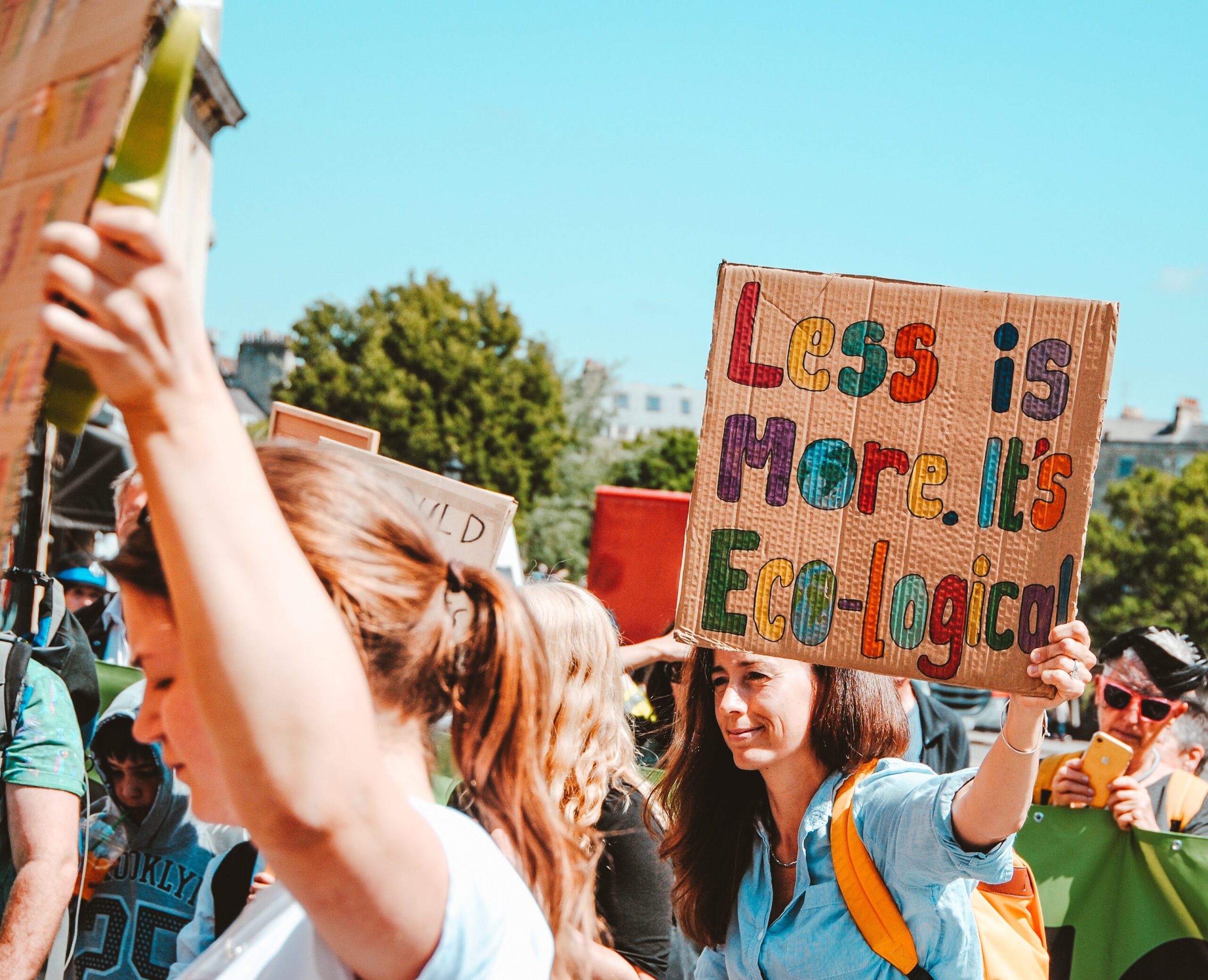
On the heels of the COP 26 UN Climate Change Conference there is global buzz about ESG goals, but many gaps remain between companies’ talk and their actions. Indeed, nearly half the executives who participated in our IMD webinar indicated they agreed with Greta Thunberg that “the COP 26 conference is just a big PR event”, or believed the goal of reducing temperature increases to 1.5°C by mid-century was on “life support”, as expressed by Antonio Guterres.
To avoid greenwashing and begin seeing real, measurable results we need to first fully understand the relationship between the E, the S and the G when we are discussing and setting our companies’ ESG goals.
ESG defined
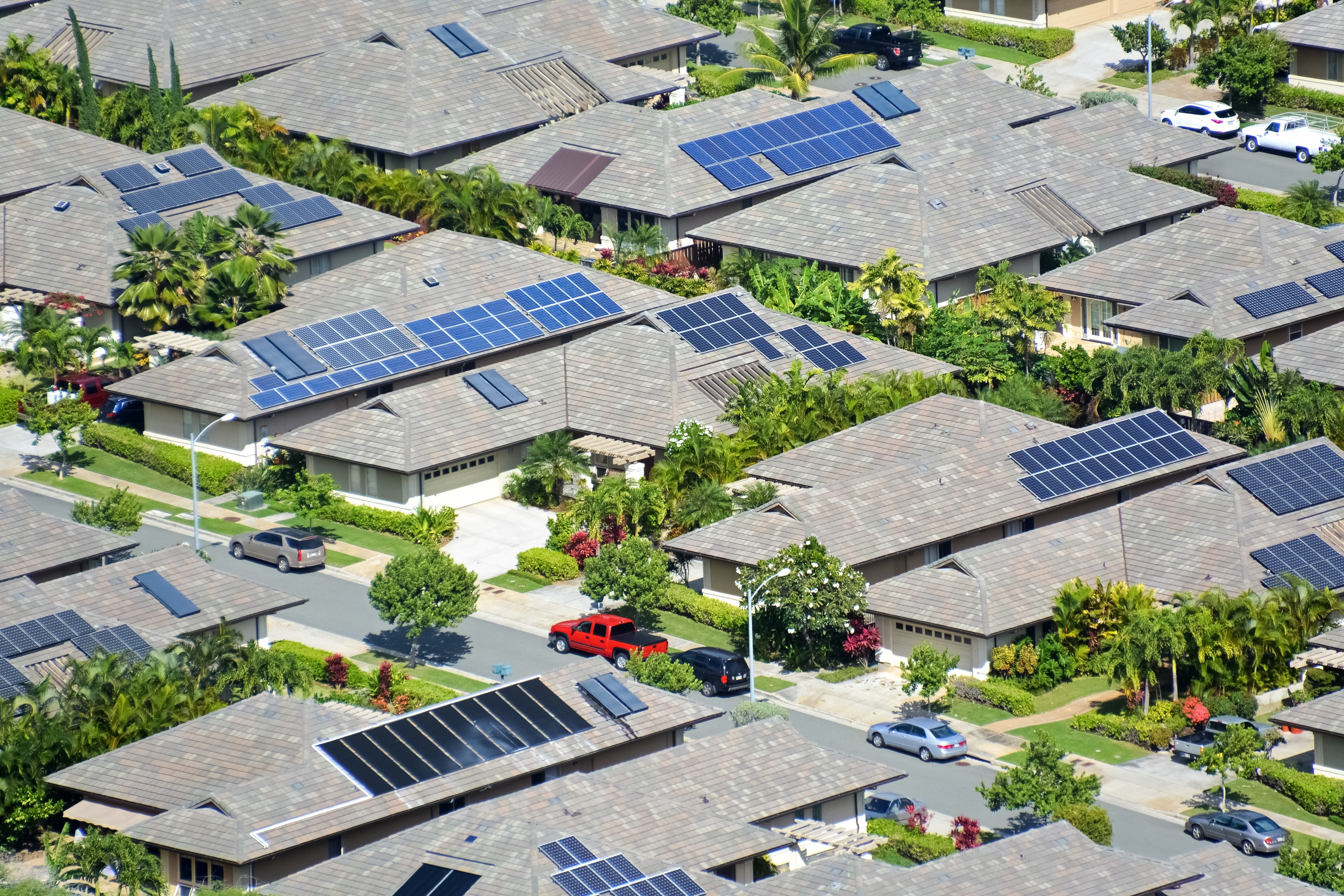
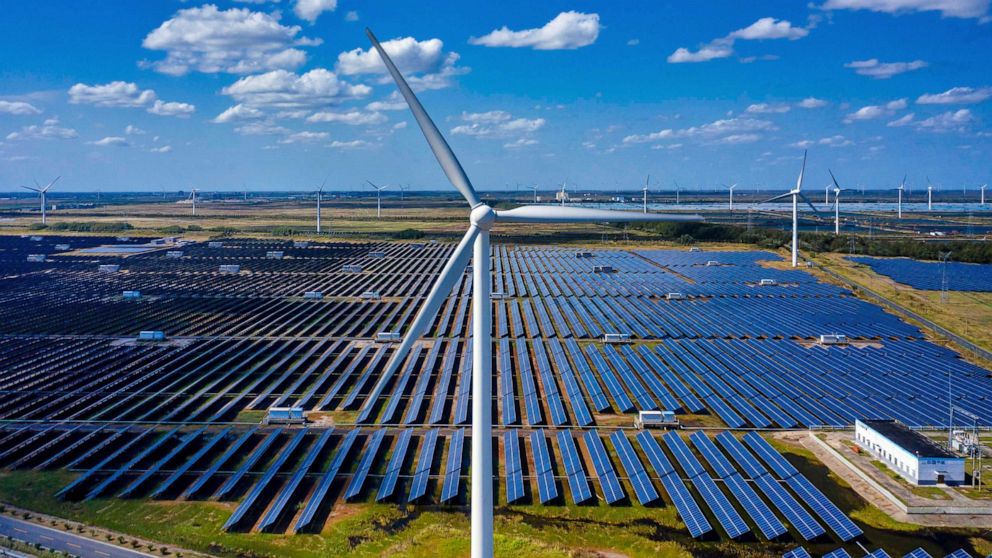
E: Environmental: Considerations might include climate change mitigation and adaptation, as well as the environment more broadly, for instance the preservation of biodiversity, pollution prevention, and the circular economy.
S: Social: Considerations could refer to inequality, inclusiveness, labor relations, investment in human capital and communities, as well as human rights issues.
G: Governance: This refers to both public and private institutions, including management structures, employee relations, and executive remuneration. It plays a fundamental role in ensuring the inclusion of social and environmental considerations in the decision-making process.
The relationship between these goals
In the broad discussion of these goals, social considerations are often the forgotten stepchild. People focus on the environmental concerns and how corporate governance can influence change or is failing to do so. But rarely do people look at the relationship between environmental and social concerns. In fact, more than two-thirds of participants in our IMD webinar indicated they believed there was a positive correlation between environment goals and social objectives. However, the opposite is often true.
Consider the yellow jacket protests in Paris. These demonstrations were sparked when carbon taxes were imposed on the French public. While the intent was to motivate people to change their behavior, the burden disproportionately affected low-wage workers who lived outside of Paris and relied on their cars to drive in and earn their livelihoods. These problems occur when we do not consider the social impact of environmental incentives, which often present differently for different socioeconomic groups. When you consider people who live from pay check to pay check, or even day to day, the choice between putting food on the table or doing the environmentally correct thing is clear.
Greenwashing vs real change
Greenwashing is a term making its way more frequently into public discussion, because many companies are being exposed for making statements they simply don’t live up to. It is easy for a corporation to pledge to be carbon zero in 30 years because, frankly, the people saying that will likely be long retired by then. There is no accountability built into a lot of plans that are presented to the public. But even when the public gets upset about it, the incentive for accountability isn’t there.
One of the fundamental problems in getting businesses to change their behaviors is that the transition to a more environmentally sensitive world comes at a cost. ESG initiatives have a cost attached to them, which means lower profits. So what can be done to get companies to change?
Incentives are needed to change peoples’ behavior. This means regulation at the government level as well as the corporate level. Recent studies have indicated that more than 90% of companies don’t link compensation to ESG objectives. Tying a percentage of C-Suite compensation to hitting goals would be an effective way to ensure ESG goals are taken seriously.
Finally, we need to establish some metrics by which to measure the impact of ESG initiatives, because without measures to hold people accountable greenwashing is all too easy.

 Share
Share YouTube


 September 21, 2022 • by Boris Thurm, Sophie Bürgin, Jordane Widmer in Sustainability • 9 min read