Three risks that senior leaders should be aware of
There is much to be excited about, but increased executive use of AI will also expose organizations to new risks.
One major concern is “cognitive offloading” – the phenomenon of humans losing foundational skills when they repeatedly ask technology to take over. The invention of the calculator, for example, has led to a decline in mental arithmetic skills. Likewise, in a world of Google Maps and satnav, many people now struggle to read a traditional map or even to find their way without digital support.
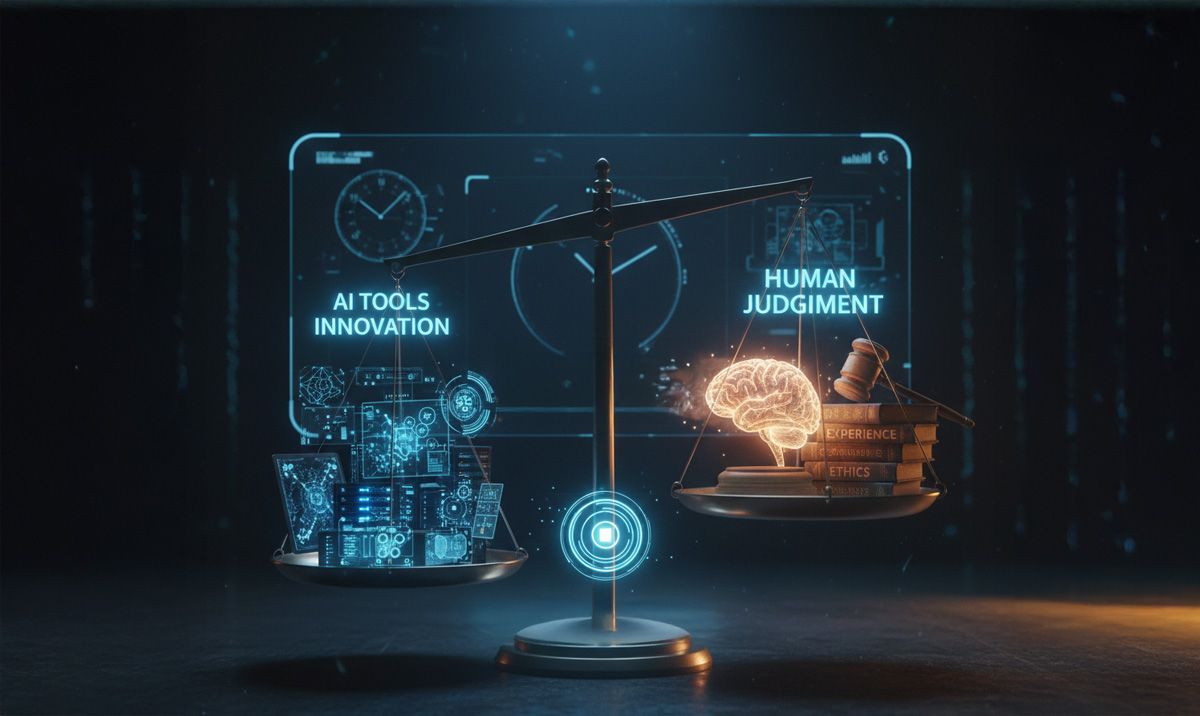
In the context of executive use of AI, that dependence on technology could lead to an erosion of more subtle skills and qualities that are difficult to replace. Even when AI is available, it will be important for executives to preserve and exercise their analytical skills, their ability to innovate and their capacity to work empathetically with colleagues.
A second risk lies in the fact that GenAI is far from a perfect solution. Problems around bias and hallucination are well-documented. GenAI applications tend to try to please their masters, to the point of inventing answers where none exist.
Senior leaders must develop a keen eye for such outputs and learn to prompt GenAI models to produce accurate and independently minded results. They must work with IT teams to ensure that GenAI challenges prejudices and received thinking, rather than reinforcing them.
Third, CHROs, as well as other senior leaders, must pay close attention to the regulatory environment that is evolving around AI. At the global level, the landscape is highly fragmented. The EU’s AI Act, for example, designates the use of AI for hiring and promotion as “high-risk.” Organizations operating in, or entering, the European market should be aware of such sensitivities to avoid falling foul of regulatory divergence.



 Audio available