With the proliferation of so many buzzwords around sustainable business models and social and environmental impact, executives and financial decision makers are increasingly looking for a roadmap to navigate the impact economy and post-COVID world.
World economies have suffered greatly from the COVID-19 crisis and issues such as poverty, inequality and other social issues have affected economic outcomes. Yet despite the massive destruction that the crisis caused, a silver lining can be found in this pause in human activity, dubbed the “Anthropause”.
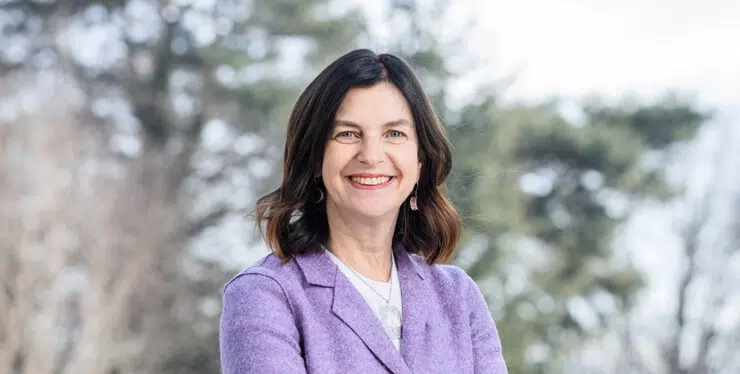
“The environment flourished, and we now have the chance to build back better,” said elea Professor of Social Innovation Vanina Farber, who led the webinar. “So, in the ‘with COVID’ world, we need to change the way we do business. The idea of indefinite growth without thinking about the boundaries of the planet is not possible anymore.”
As businesses look to ramp up their operations after the crisis, there is a unique opportunity for executives to sharpen their focus on making their business models more resilient and sustainable, and catalyze social and economic change. In part thanks to innovative financial instruments, corporations can speed the pace and increase the scale at which they bring sustainability into the core of their strategic choices.
More than two-thirds of webinar participants agreed that corporations are serious about this transformation. However, key barriers remain such as: balancing sustainability with growth targets, difficulty quantifying potential ROI, financing the transformation at scale, lack of attention or support from leadership, difficulty identifying the key ESG issues to focus on, and the volatility and complexity of regulatory requirements.
Many corporations are now moving beyond a profit-only lens to think about the impact of their business models on society. “Beginning with boycotts of South Africa and companies doing business there in the 1990s to push the end of Apartheid, there has been a steady push toward investing with intentionality,” said Farber, who walked through the range of options available to invest for impact through private market vehicles and invest with impact through public market vehicles.
The purpose of the webinar was to understand how corporates can leverage impact investing and sustainable finance to support their business model transformation around sustainability. Here, corporations can increasingly draw from a wide menu of options presented in the webinar. From engagement with social enterprises to co-create innovative and sustainable products to securing funding for specific green projects through green (or sustainable) bonds, firms can leverage the experience and expertise of diverse actors to transition.
Transitioning to a sustainable business model is also increasingly a priority for firm survival. Average company lifespans on the S&P index are decreasing; in 1960 it was 60 years, while by 2020 it was only 20 years. By addressing material ESG issues, firms can tackle both innovation and sustainability challenges simultaneously.
To ensure financial returns with these types of corporate investment strategies, Farber suggests analyzing how ESG materiality can impact the bottom line. There is some evidence that by focusing on material ESG concerns, companies can grow their share prices and expect better portfolio performance.
Investors are also starting to exert pressure, pushing for companies transform their business models. Through proxy voting, activist investors have been able to elect three board members to Exxon. Activist investors’ engagement with public companies through shareholder meetings is poised to grow in the coming years.
With the expanding range of possibilities to kickstart the transition to sustainable business models, executives have a chance to increase collaboration with investors, NGOs, civil society, and entrepreneurs toward the cocreation of a sustainable future. COVID-19 might just be the final push that was needed for us to collectively realize that business can, and must, change to become more resilient, vibrant, and just. The time is right, now.


 September 27, 2021 • by George Kohlrieser in Sustainability • 3 min read
 Share
Share YouTube

 Podcast available

