
Three tools to break the deadlock in high-stakes negotiations
Anna Cajot draws on the experience of former FBI agent Joe Navarro to overcome an impasse when you're locked in critical talks....

– The unethical or illegal exploitation of GenAI capabilities for harmful purposes such as scams and misinformation campaigns.
– Where GenAI prioritizes plausibility of accuracy and creates inaccurate outputs – known as “hallucination”. It becomes an issue when users improperly depend on it or misapply GenAI tools.
– Where GenAI output created by a third party is purposefully used and disseminated, despite doubts about its credibility or authenticity.
– When content is consumed and shared by users who are not aware of its inauthenticity, such as the sharing of deepfake content.
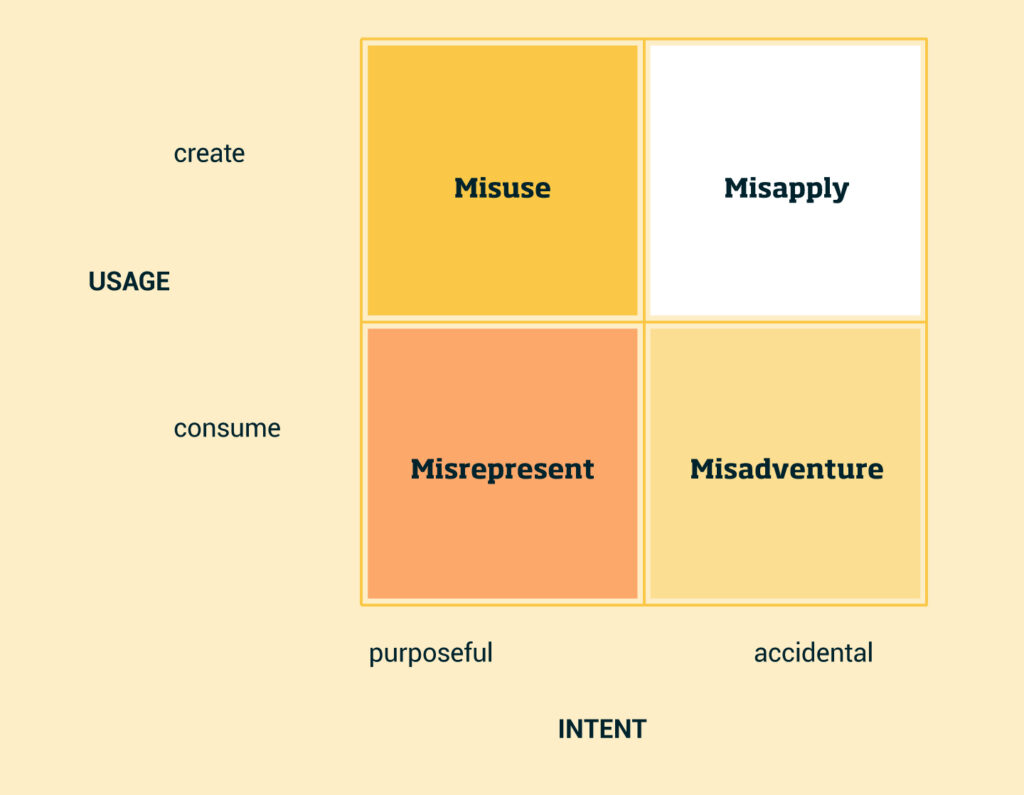
Each of the above risks presents unique challenges, yet there are actions that leaders can take to protect their organizations against them, bearing in mind the different types.
Establish clear guidelines and principles – such as transparency, fairness, accountability, and safety – for GenAI use to ensure it does not cause any personal or societal harm.
If content is generated by an AI system, it should be clearly watermarked as such so users can distinguish between AI and human-created outputs.
This can be done by creating your own fine-tuned GenAI tools, such as an LLM, and adding extra layers of privacy management tools to the architecture to ensure no personally identifiable information finds its way into the system.
Provide training programs to raise awareness on the safe and responsible consumption of GenAI content, coupled with internal guardrails around its use and policies on when it can and cannot be used.
In addition to clearly watermarking all AI-generated content, put other mechanisms in place to cross-check and verify content, and ensure these mechanisms are sufficiently robust to detect both hallucinations and deliberate misapplications of GenAI content.
Despite your best efforts, not all threats will be contained, and some problems might “go public”. In such instances, it is important to have an internal task force in place that can quickly understand, prioritize, and control risks, and communicate with all relevant stakeholders.
GenAI: the future belongs to those who pause and reflect
Navigating GenAI’s ethical risks to score competitive value
AI’s five strategic tensions and how to resolve them
The right AI for the job: Generative vs. legacy – when to use each


Anna Cajot draws on the experience of former FBI agent Joe Navarro to overcome an impasse when you're locked in critical talks....

Are you scaling or just burning cash? Learn how to validate demand, use data, forecast growth, and focus your strategy to build a sustainable, profitable business....

A skills-first approach is emerging as the future of workforce strategy. Jeff Schwartz and Mike Worthington identify the key questions to consider and explain how it’s done....

Since COVID-19, one trend has silently taken over the way we work. What used to be quick exchanges have become scheduled calls, and leaders and teams find themselves juggling double- or triple-bookings....
Explore first person business intelligence from top minds curated for a global executive audience