1. How often do you get a good night’s sleep?
a) most nights, b) sometimes, c) rarely.
2. How healthy is your diet from a nutritional point of view?
a) very healthy, b) mixed, c) not healthy at all.
3. How often do you practice breathing or mindfulness techniques?
a) daily, b) sometimes, c) rarely or never.
4. How often do you feel stressed at work?
a) rarely, b) often, c) most of the time.
5. How often do you do meaningful exercise?
a) daily, b) sometimes, c) rarely or never.
How did you do?
Mostly As: Congratulations – you are caring for your brain, enabling it to cope with uncertainty.
Mostly Bs: You’re doing some things well, some of the time – you just need to commit to a brain-healthy routine.
Mostly Cs: Your gray matter needs a rest! The following tips will give you the best chance of coping in uncertain times.
Understanding the effect of uncertainty
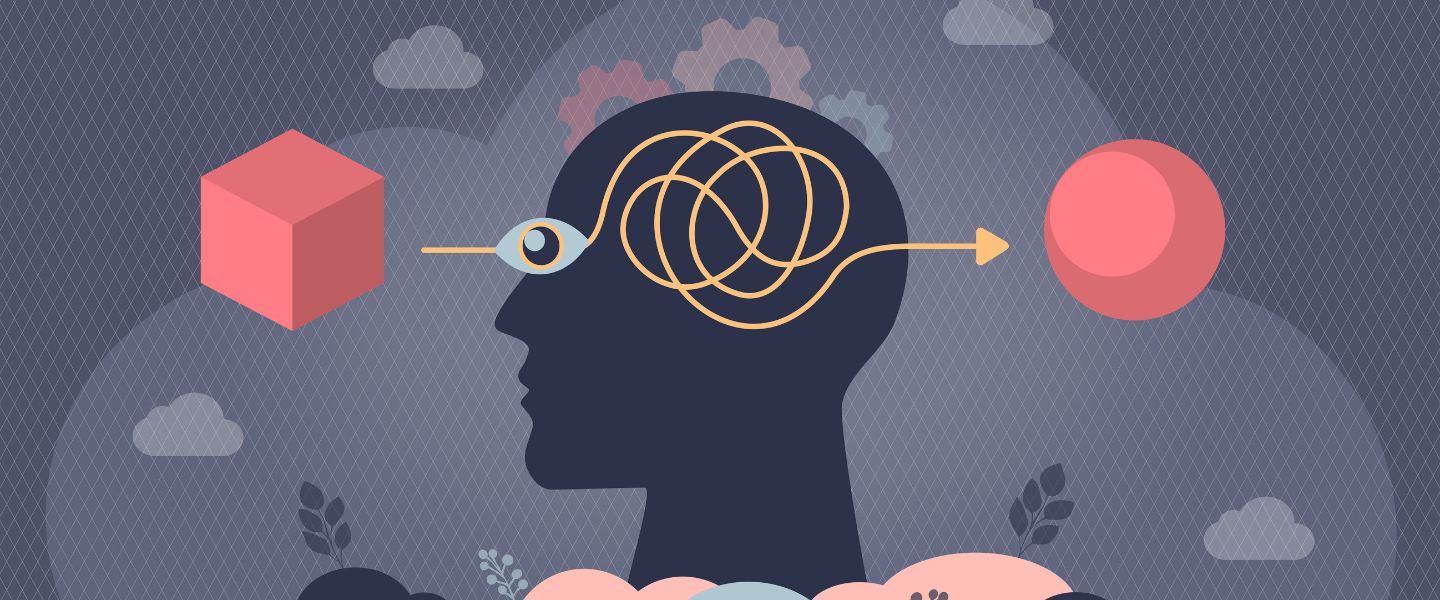
Uncertainty can activate the body’s sympathetic nervous system, triggering the brain’s fight, flight, or freeze response. Focused energy can create productive “flow states” for work that requires intense concentration in the short term. Most often, however, the stress response backfires, constricting thinking just when complexity and volatility demand broader cognitive capacity.
The alternative is to spend more time in the brain’s default mode, using the parasympathetic nervous system. This is a division of the autonomic nervous system responsible for conserving energy and maintaining restful bodily functions. Often called the “rest and digest” or “feed and breed” mode, it counteracts the fight or flight responses of the sympathetic nervous system: heart rate and breathing slow down, and the brain operates more widely, being comparatively open to possibility, diverse perspectives, and creative problem-solving – exactly the mindset needed for today’s world.
Three ways to retrain your brain
With the right habits, you can rewire your brain to more easily shift toward the parasympathetic system and unlock better decisions, creativity, and curiosity.
1. Increase brain energy
Your brain is an energy hog. Higher-order thinking – strategy, innovation, and judgment – consumes vast amounts of energy. To excel when uncertainty strikes, your brain needs energy reserves more than it needs resilience. The most effective way to boost brain energy is through better sleep, fitness, and nutrition. These three habits recharge your brain at night and fuel it during the day. Without this foundation, you’re far more likely to get stuck in a stress-triggered, narrow-minded state.
2. Learn breathwork techniques
Begin shifting your brain out of fight-flight-freeze mode through breathing. Techniques like box breathing – or simply taking two sharp inhales followed by a long, slow exhale – signal safety to the brain and activate the parasympathetic system. Yoga and similar practices can offer additional breathing tools that help leaders stay calm and centered when facing uncertainty. Elite special forces and athletes use breathwork to great effect, and we should, too.
3. Practice mindfulness and meditation
Mindfulness and meditation are powerful tools to build a brain that doesn’t immediately react to triggers. They help leaders stay present, maintain perspective, and welcome complexity instead of resisting it. Over time, mindfulness can rewire the brain to respond to uncertainty with more creativity, composure, and cognitive flexibility.
Every decision and judgment call you make begins in your brain. In a world of non-stop uncertainty, the leaders who thrive won’t be the ones who “fight, take flight, or freeze” – they’ll be the ones who respond with energy, openness, and clarity.

 Audio available