Is it time you went back to beige?
Beige gets a bad rap from brand consultants, but when you’re stressed, it’s hard to think clearly: you need to return to neutral first. To reset your nervous system, try going back...

by Tania Lennon Published February 27, 2024 in Brain Circuits • 3 min read
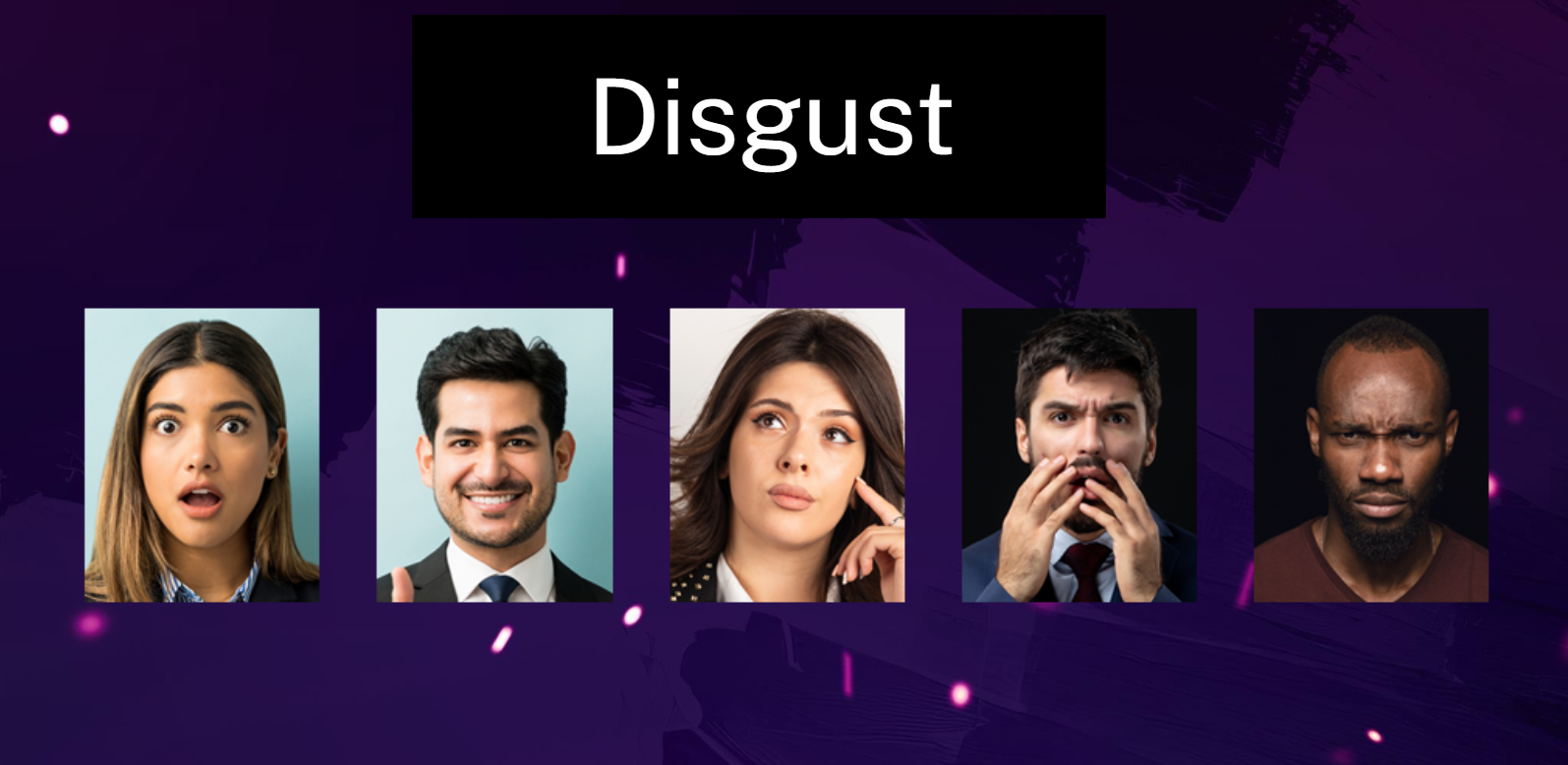
Click here to play the Emotional Code game.
Match each word prompt with the corresponding face expressing that emotion.
How well could you read the expressions in the Emotional Code game? The game tests your social judgment — that is, your ability to distinguish and recognize other people and their emotions. Social judgment is important to us as leaders because our problem-solving takes place in a social context where we must make sense of others and the social systems in which they operate.
Social judgment is part of a broad range of cognitive abilities that enable people to understand and interact with others. Leaders need to inspire, motivate, and enable others to perform. Social judgment enables us to create a community, fostering collaboration and connectivity. Social judgment is also important to support reputation management, as it enables us to monitor how our actions are perceived by others.
The Emotional Code game tests your ability to tune into the feelings of others. This is integral to emotional intelligence, which includes the capacity to identify emotions and understand their origins and implications. (Mayer et al, 2000). Stein et al (2009) found that emotional intelligence was related to profitability and that leaders with more of it were respected by others for their ability to manage people and organizations.

What can leaders do to boost their interpersonal insights? Here are three suggestions:
These approaches are all designed to enhance neural processing to internally simulate the effective and cognitive mental states of others. This is also known as the theory of mind, where the feelings of others are inferred and understood.

Executive Director of the Strategic Talent Development initiative
Tania Lennon leads the Strategic Talent team for IMD. She is an expert on future-ready talent development, including innovative assessment methods to maximize the impact of talent development on individual and organizational performance. Lennon is a “pracademic”, blending a strong research orientation with evidence-based practice in talent development and assessment.

February 12, 2026 • by Francesca-Giulia Mereu in Brain Circuits
Beige gets a bad rap from brand consultants, but when you’re stressed, it’s hard to think clearly: you need to return to neutral first. To reset your nervous system, try going back...

February 11, 2026 • by Stefan Michel in Brain Circuits
Drawing on his recent IMD podcast with Amar Bhidé, IMD Professor of Management Stefan Michel debunks longstanding misconceptions about entrepreneurship....

February 10, 2026 • by Susanne May in Brain Circuits
Forget everything you’ve heard about genius CEOs, intuition, and heroic decision-making, says Susanne May – use Jensen Huang’s radical leadership of Nvidia as a blueprint to succeed in the AI era....

February 5, 2026 • by Michael D. Watkins in Brain Circuits
AI can do plenty in terms of learning and skills development – but educators and talent leaders also need to understand what AI tools should not be used for. ...
Explore first person business intelligence from top minds curated for a global executive audience