How China’s energy transition is reshaping global business
From megawatts to market power: Mark Greeven and Sophie Liu investigate how China’s energy transition is reshaping global business....
by Roberto Bocca Published November 11, 2025 in Energy • 10 min read •  Audio available
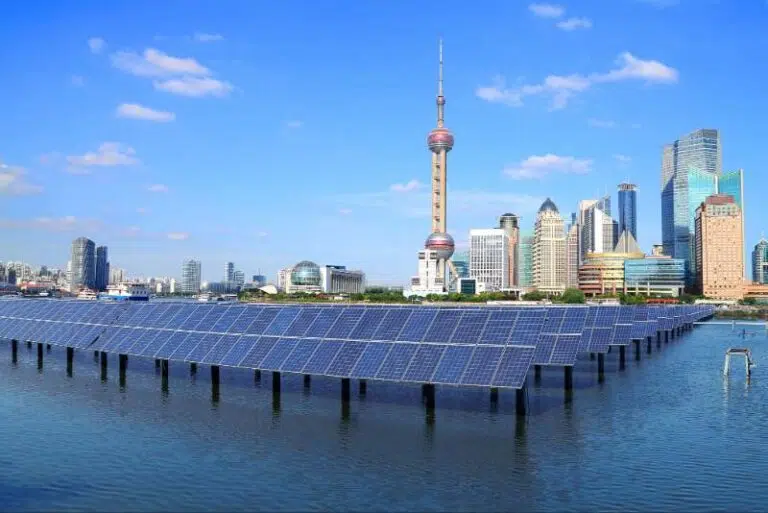
Clean energy accounted for over 10% of China's GDP in 2024. Image: Unsplash
The energy transition is not simply about meeting climate goals; it has become one of the defining forces reshaping economic power, corporate strategy, and geopolitical alignment. While public discourse often emphasizes net-zero targets and decarbonization pathways, the real story is more complex and more consequential. Behind the scenes, energy is emerging as a strategic lever for industrial reinvention and geopolitical advantage. For business leaders, understanding this deeper shift is essential.
As countries prepare for a potentially more fragmented and volatile power landscape, the energy transition is ushering in a new era of economic positioning. Nations are redrawing their industrial maps around energy resources, supply chains, and digital infrastructure. This is not merely a growing share of energy demand shifting from fossil fuels to renewables, but a fundamental rewiring of economic systems and a redefinition of strategic leverage.
Geopolitical dynamics have accelerated this transition. Disruptions in key energy-producing regions, fractures in global trade, and rising competition over critical resources have exposed deep vulnerabilities. In response, countries are acting swiftly to secure critical minerals, reshore cleantech manufacturing, and develop greater technological autonomy.
Energy is a competitive asset. For many companies, energy strategy has become business strategy. The ability to access, manage, and innovate around energy is a key determinant of national competitiveness and corporate performance alike. The World Economic Forum’s Fostering Effective Energy Transition 2025 report, which includes the annual Energy Transition Index (ETI), unpacks this evolving landscape by highlighting three emerging system-level priorities:

To understand where the energy transition is headed, we must look to where future growth and influence will come from – emerging economies. With their growing populations, abundant natural resources, and cost-competitive manufacturing, these nations are poised to become the engines of global energy demand.
Yet the investment reality lags far behind this potential. While emerging markets are expected to account for 80% of energy demand growth over the next two decades, they receive less than 15% of global clean energy investment, revealing uneven capital flows. Meeting this challenge will require a shift in mindset. Emerging economies are not peripheral players in the energy transition, but central to its success – and are increasingly setting their own course.

A singular narrative of the energy transition fails to capture its real complexity. What we are witnessing is not one transition, but many – each shaped by local context, political priorities, industrial base, and societal expectations.
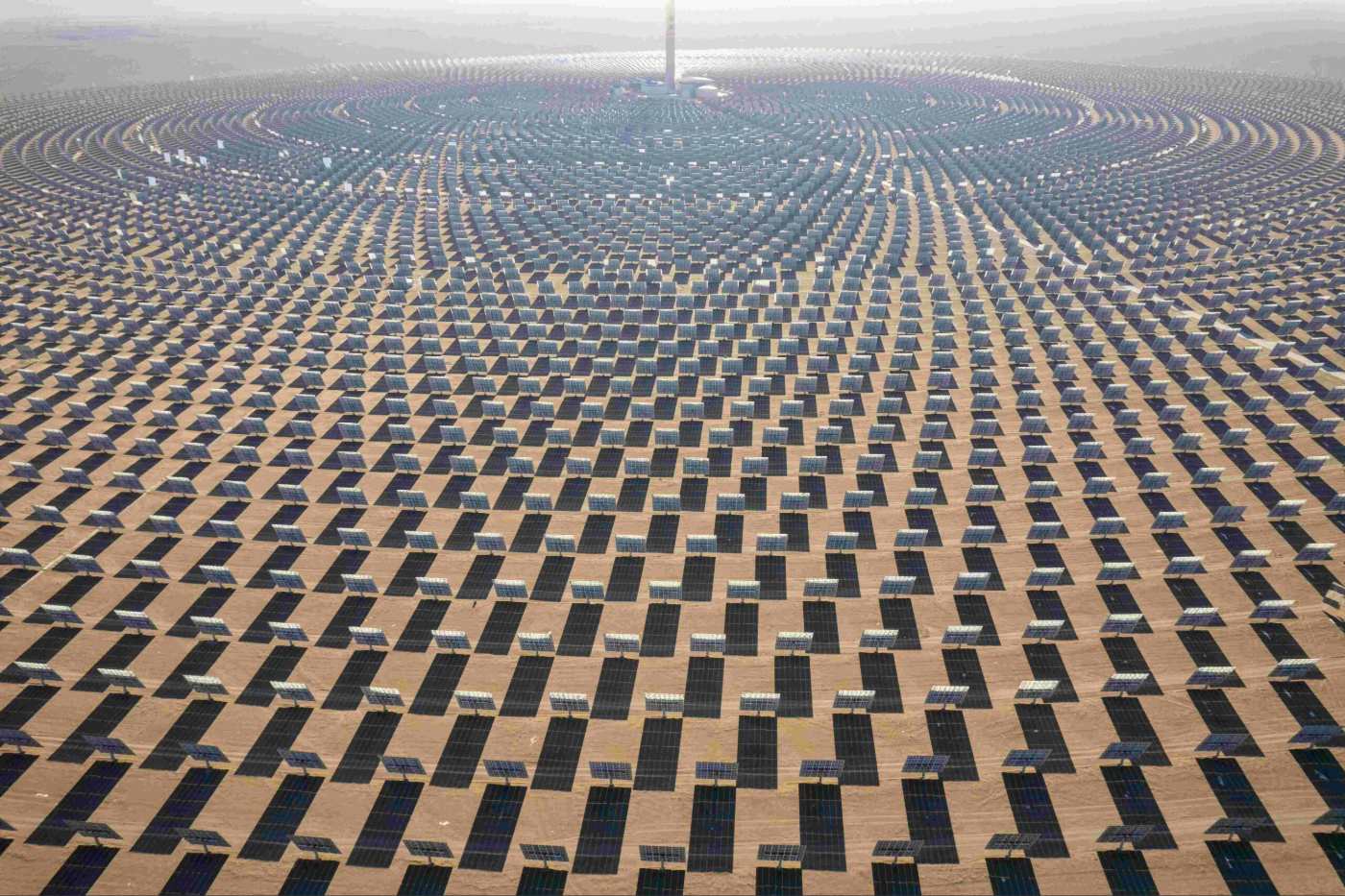
Some countries are doubling down on electrification and renewables, while others are charting different but equally valid paths. For instance, Brazil has made significant progress by leveraging its long-standing investment in biofuels and hydropower, which now account for a large share of its energy mix, with renewables meeting almost 45% of primary energy demand. In just four years, initiatives in India, such as bulb exchange programs and large-scale procurement tenders, helped increase its LED lighting market share from 10-15% to 75%. China is investing heavily in innovation and industrial scale. In recent years, the country has allocated between $4bn and $6bn annually to clean energy research and development, helping build a solar industry that not only leads the world in installed capacity but sets the pace in technological advancement.
These examples highlight that clean energy strategies should align with each country’s natural resource endowment, development stage, and economic priorities. In some cases, distributed solutions are more appropriate than centralized systems. In others, decarbonizing heavy industry or transport may take precedence over power generation. The paths are diverse, but the ambition is shared: to build energy systems that are cleaner, fairer, more secure, and aligned with long-term economic growth. Recognizing and supporting this diversity is key to achieving meaningful global progress.
As the above examples indicate, energy has become a strategic variable that influences everything from investor confidence to supply chain viability. The companies and countries that act rapidly on it will define the next generation of economic leadership. They will turn volatility into resilience, fragmentation into collaboration, and policy uncertainty into strategic clarity. For emerging economies, this is a moment of opportunity – one that, if seized, can redefine their role in the global economy for decades to come.
Despite capital constraints, several emerging markets are establishing themselves as leaders in energy innovation and showcasing unique energy transition pathways. They are not only expanding renewable capacity but investing in next-generation infrastructure, clean industrial solutions, and competitive technology ecosystems.
Brazil has long been a pioneer in bioenergy, and it’s aiming to take the lead in next-generation biofuels. It has launched the world’s largest cellulosic ethanol facility and is advancing biofuel technologies that can fully substitute fossil diesel. Rio de Janeiro recently launched “AI City”, a 1.5GW data hub that employs waterless cooling and offsets its power use with Brazil’s robust hydropower supply – offering a new model for sustainable digital infrastructure.
Clean energy accounted for over 10% of China’s gross domestic product in 2024, surpassing real estate and agriculture. Despite rising trade barriers in Europe and North America, China’s EV manufacturers pivoted quickly to markets like Mexico, Brazil, and the UAE. Government subsidies, intense domestic competition, and surging internal demand enabled EV production to grow by a third last year, with EVs making up 41% of new vehicle sales. Innovation remains relentless. For example, BYD’s new battery offers a 400km range on a five-minute charge.
India is growing its renewable capacity faster than several other major economies. Wind and solar installations have nearly doubled in five years. To meet its 2070 net-zero target, the country is accelerating battery energy storage, building industrial green hydrogen clusters, and upgrading transmission infrastructure. It’s also focusing on inclusive growth by extending grid access, improving energy efficiency, and stabilizing its coal-dominated electricity mix as demand rises by an expected 35% by 2030.
The region is home to vast renewable potential and key mineral reserves like nickel, copper, and rare earth elements. With supportive regulation and investment, Southeast Asia could meet two-thirds of its electricity needs from renewables by 2050. Regional energy integration is advancing: ASEAN has revived the ASEAN Power Grid project, with Malaysia and Indonesia restarting a long-stalled cross-border interconnection initiative.
Nigeria is making tangible strides toward becoming a clean-energy hub, rising from 109th place in 2016 to 61st in this year’s ETI. Driven by major advances in investment capacity, infrastructure development, and regulatory reform, the country is gaining increasing attention on the global stage. In 2024, it added between 63.5 MW and 73 MW of new solar capacity – bringing its cumulative installed solar power to around 385.7 MW – and ranking it among Africa’s top installers.

Companies and investors must bear in mind that the energy transition goes beyond procurement or compliance – it is a source of long-term strategic advantage. Unlocking that advantage depends on recognizing the scale of transformation underway and aligning business action with the emerging realities of varied transitions, evolving technologies, and complex market dynamics. Here are four actions business leaders can take:
Emerging economies are driving innovation in energy, pioneering policy reforms, and shaping industrial strategies. Markets like China, India, Brazil, and parts of Southeast Asia are leading in clean energy deployment, digital grid reform, and sector-specific solutions such as green hydrogen and biofuels.
These economies are shaping the technology pathways of the future and will increasingly influence global standards, supply chains, and capital flows. This presents an opportunity for businesses to update their models of risk and value: growth markets are not just where demand will come from – they are where a significant part of the future is being built.
There is a $2.2tn annual investment shortfall in clean energy standing between emerging economies and a viable energy transition. This is more than just a funding need – it’s a significant commercial opportunity.
Southeast Asia alone could generate $300bn in green revenue over the next five years, with the potential for 5.8 million new jobs by 2050. Findings from the Energy Transition Index 2025 highlight other regions that are showing encouraging signs of momentum and emerging investment potential. For example, Mozambique’s resurgence as an emerging energy player underscores what is possible when regulatory reform, infrastructure development, and strategic capital allocation align effectively. China leads in innovation and investment, having made substantial progress. It remains the world’s largest clean energy investor, contributing over $818bn to global investment in 2024. With the highest renewable capacity additions and the majority of new nuclear projects, China is also scaling energy infrastructure at an unmatched pace.
De-risking tools, blended finance, sovereign green bonds, and public-private investment platforms should become standard parts of corporate and investor toolkits. Companies that step into this space early can shape markets, secure strategic footholds, and unlock new value pools.
The energy transition hinges on people, institutions, and localized solutions. Advancing this transition could benefit from prioritizing investments in workforce development and institutional partnerships. Partnerships – whether between companies and universities, public agencies, or local governments – play a critical role in piloting new models, advancing R&D, and building trust with communities. Forward-looking businesses are also collaborating with government stakeholders to modernize permitting processes, standardize clean energy procurement, and de-risk low-carbon investments. These partnerships help ensure that solutions are scalable, socially grounded, and locally relevant.
Additionally, workforce development is critical to bridging the skills gap in clean energy industries. The Energy Transition Index report finds that top-performing countries like Finland, Germany, and China are expanding vocational training and technical education aligned with cleantech industries. India has a program that is preparing a new generation of grid technicians and energy entrepreneurs, building capacity and inclusive access to clean energy jobs. These examples highlight a vital point: human capital is transition capital.
Emerging markets are complex and not uniform, but they are where the greatest upside lies. From permitting challenges to policy shifts, the risk landscape is real. But businesses that bring agility and a long-term mindset can draw lasting advantage.
The lesson from leaders across regions is that success depends on adaptive strategies anchored in local reality. This includes understanding sub-national opportunities, responding to regional industrial strengths, and working across public-private lines.
For example, India demonstrates how regional alignment with industrial and labor strengths can accelerate the transition. It has prioritized vocational training and regional workforce development programs that support clean energy deployment. Initiatives such as the Suryamitra Skill Development Program, implemented across solar-rich states, help build local talent pipelines that align with solar manufacturing and deployment clusters.
Likewise, the UAE has adopted a multi-level engagement approach, working across federal and emirate levels to align long-term clean energy goals with regional development. Initiatives such as Masdar City and the Dubai Clean Energy Strategy 2050 reflect how targeted local planning and public-private collaboration are central to the country’s energy ambitions. The goal is not to avoid risk, but to manage it deliberately, recognizing not only that different players have different risk tolerances, but that opportunities vary accordingly.
The 2025 Energy Transition Index confirms what many forward-looking companies already sense. The momentum of the energy transition is shifting, geographically and strategically. Countries like China, India, Brazil, and Latvia are shaping the frameworks of innovation, equity, and infrastructure that will define global competitiveness in the years ahead.
Emerging economies are establishing their own approaches, not adapting to models set elsewhere, while learning from the successes and challenges faced by others. They are proving that energy transition is not a single path, but many – each shaped by national strengths, industrial priorities, and context. These local models are sources of strategic insight and practical direction for how progress can be achieved across different contexts.
The companies and investors best positioned for the future will align with this momentum by moving capital, talent, and technology into the systems that are already transforming. Building for this future calls for humility, collaboration, and a willingness to learn from the diversity of global experience.
The most successful transitions – whether in emerging or advanced economies – share certain features: clear national targets, stable and supportive policy frameworks, deep public-private collaboration, and innovative financing that de-risks investment and accelerates delivery. These competitive assets enable countries to attract capital, retain talent, and anchor industrial value chains for the long term.
For global companies, this presents a strategic opportunity. Where operating across multiple geographies used to be about scale, it’s now a chance to create synergy between diverse energy systems, to drive cross-border investment, and to help shape the new energy economy from the ground up.
The future of energy is decentralized, digitalized, and deeply strategic. We are witnessing a profound transformation of economic and industrial systems. In this rapidly evolving landscape, resilience will come not from holding on to legacy systems, but from having the agility to navigate complex transitions and the vision to lead them. This transformation is no longer optional – it is the foundation of future growth, industrial leadership, and national relevance.

Roberto Bocca leads the Center for Energy and Materials at the World Economic Forum and is a member of its executive committee. Before joining the Forum in 2009, he was at BP for 14 years, most recently as Director of Emerging Consumer Markets in BP Alternative Energy.
July 13, 2026 • by I by IMD in Energy
From megawatts to market power: Mark Greeven and Sophie Liu investigate how China’s energy transition is reshaping global business....

March 16, 2026 • by Michael R. Wade, Konstantinos Trantopoulos in Energy
IMD’s AI Safety Clock shows tension between rapidly expanding artificial intelligence capabilities and lack of meaningful oversight, raising risk. ...

January 20, 2026 • by Faisal Hoque, Paul Scade , Pranay Sanklecha in Energy
For multinationals, especially in strategically sensitive sectors such as energy, finance, and technology, traditional defense policies offer inspiration as they develop robust AI strategies. ...

December 29, 2025 • by Frédéric Dalsace, Goutam Challagalla, Julia Binder, Florian Hoos, Sara Ratti, Adrian Dellecker, Howard H. Yu, Michael R. Wade, Vanina Farber, Karl Schmedders in Energy
In 2026, sustainability moves from lofty ambition to hard-nosed execution, driving resilience, competitiveness, and real business value. From circularity to AI-enabled energy systems and sustainable product design, IMD experts see action taking...
Explore first person business intelligence from top minds curated for a global executive audience