Books to inspire, inform and entertain
From dealing with burnout and bullsh*t to the joys of friendship and climbing mountains, IMD professors offer a varied choice of summer reading material...
October 10, 2025 • by Peter Vogel, Thierry Mauvernay in Family business
How one family in the life sciences industry leverages business, strategic investments, and nonprofit initiatives to improve health – plus their five keys to success. ...
We do not work for tomorrow, but for “après-demain” (after tomorrow).- Thierry Mauvernay
As my father used to say, in the research field we do not work for tomorrow, but for “après-demain” (after tomorrow). He founded Debiopharm in 1979, convinced of the potential of oxaliplatin, a compound that nobody believed in but him. He taught me commitment, passion, and perseverance. Today, I am following his legacy and vision, driven by the ambition to help patients and offer them a better après-demain.
Nothing motivates me more than knowing our work can have a positive impact on people, and today, more than ever, the pharmaceutical industry is at a turning point in history through the convergence of science. The future of healthcare and patient quality of life is happening now, and I want to be sure that Debiopharm will be at the forefront of shaping that future. One of the ways we are achieving this is through the Debiopharm Chair for Family Philanthropy, held by Peter Vogel at the IMD. Our donation funds new research and teachings that can spread best practices for family business philanthropy across the world. Best practices include creating philanthropic literacy in your rising generation and leveraging resources and governance practices across the family enterprise system to better serve your beneficiaries.
Here are my family’s top five tips for making an impact through strategic philanthropy:
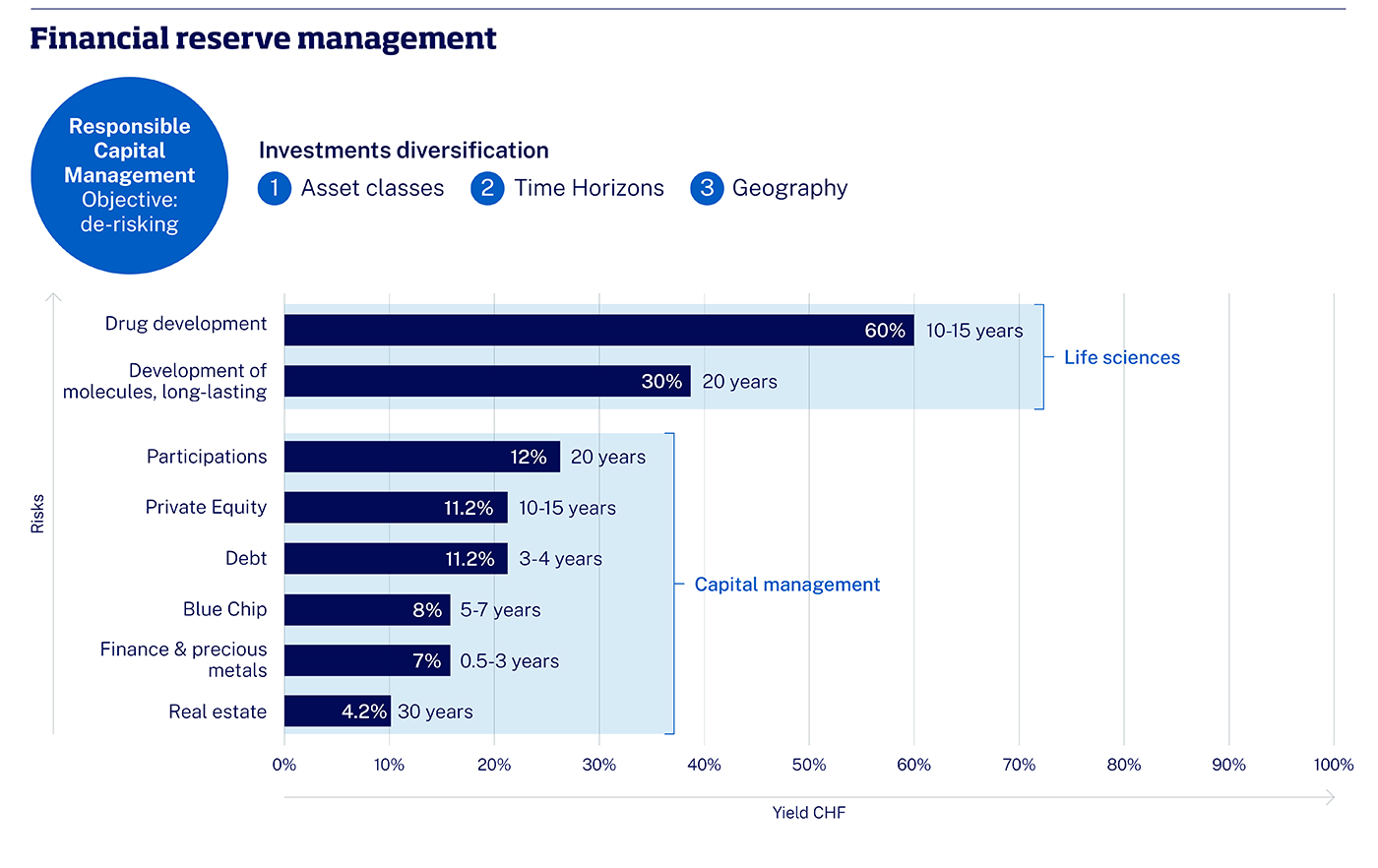
Life sciences is a very risky industry, and so 25 years ago, we adopted a new model to help diversify our risk, maximize our return, and allow us to make a greater impact. Our Responsible Capital Management group was created in 2000 and supports investments in real estate, finance, blue-chip companies, debt, and private equity. We are now invested in 25 to 30 companies and shareholders of 140 funds, with returns ranging from 4.2% to 12%, while the majority of our yield continues to derive from our life science business. This allows us to continue to fund our impact-making across the globe, regardless of the short-term economic cycle, and demonstrates how a very traditional system can be reapplied with a modern lens.

In 2010, we also founded a philanthropic arm of our family enterprise, driven to make an impact across education, micro-enterprises, humanitarian aid, and autism. 10 years later, we founded Impact Capital Management to take care of the planet and its people. With every project, we first ensure it responds to one of our core themes and is cohesive with our values as a family.
Whatever the goal or mission, financial or nonfinancial, our central pillar is impact, and our main strength is our independence. Freedom to help people is incompatible with shareholding; these types of decisions should not be based on the financial expectations of investors and non-family shareholders. When I joined my father at Debiopharm, my priority was to build a group solid enough to ensure sustainability and financial independence, the prerequisite of our strategic independence. Thanks to the synergy between companies, we have a long-term vision enabled by the asset management activities of Après-demain that offer us more stable incomes and mitigate the risks of Debiopharm’s activities. It allows us to make an impact in every area we work in.
Mismanagement in your professional life is unfortunate, but in philanthropy, it’s a tragedy.
For many families, philanthropy is writing a cheque, but for ours, it means taking responsibility beyond that and ensuring the projects we contribute to are also supervised by advisors.
We have strict rules around this and never allocate more than 8% of funds to control and manage a project.We bring the same professionalism, vigilance, and rigour to our philanthropy as we do to our usual business.
We adhere to three strict governance pillars in our philanthropic work. These include:
We also pay close attention to the regulatory and tax measures that surround our business and philanthropic portfolio and ensure to invest and donate in the most tax-efficient manner so that as much of our income as possible can go directly to supporting the right causes.
Our goal is to focus on specific areas
where we can have a significant leverage effect.
Like many families, we think both long-term and across generations. We have created an after-tomorrow foundation, which follows a donation approach across the family enterprise to ensure our foundation is well-resourced. It is a new shareholder and guardian of our vision.
Before September 2025, I held 100% of Après-demain, which itself holds 100% of Debiopharm. Since then, we have transferred a part of the Après-demain shares to the new After-Tomorrow Foundation, which will become a co-shareholder of the group. Its primary purpose is to provide the financial resources for the Fondation Philanthropique Next, a minimum of 90%, so that even in a struggling life sciences industry, the impact can continue through its economic cycle. It’s a growing model with more prominence in America and a true form of social capitalism. After-Tomorrow is not a conventional financial shareholder; its primary mission is to provide the financial resources for the Fondation Philanthropique Next to keep it alive and help people across the world.
We are aware that not everything is feasible and that our resources do not allow us to take care of every need. That is why we have decided to focus on areas where we are most needed and where our actions can have a lasting impact. Therefore, our goal is to focus on specific areas where we can have a significant leverage effect.
Concrete, responsible, and measurable philanthropy to positively impact lives over the long term. We aim to be active but not activist, and to have a professional approach.
My final advice: Listen, establish rules, and institutionalize in a flexible and sustainable manner.
The Debiopharm Chair for Family Philanthropy was created in 2016 after the generous donation by Thierry Mauvernay. Its purpose is to increase the social and financial impact of family giving as well as to develop best practices in family philanthropy by offering tools to strengthen analysis, decision-making processes, performance indicators, and governance. The Chair also aims to leverage philanthropy as a catalyst for the transmission of family values across generations.
Our aim is to help families become better, more strategic philanthropists by starting or professionalizing their philanthropic journeys. One of those initiatives from within the Chair is this webinar series. In this episode, together with Thierry Mauvernay, we explored philanthropy not as a standalone activity that is completely disconnected from the legacy family business, which we see as a classical model in family enterprises, but in fact, an integrated aspect of the family enterprise. We also looked at philanthropy as a strategic asset and a strategic activity of the family enterprise in a holistic way. Thierry Mauvernay is a very active philanthropist and has a very strong perspective on how philanthropy can be leveraged as an effective strategic vehicle for family enterprises, and here, we focused on his approach, the family, the family business, their philanthropic activities, and how it is integrated into the wider family enterprise system.

Professor of Family Business and Entrepreneurship at IMD
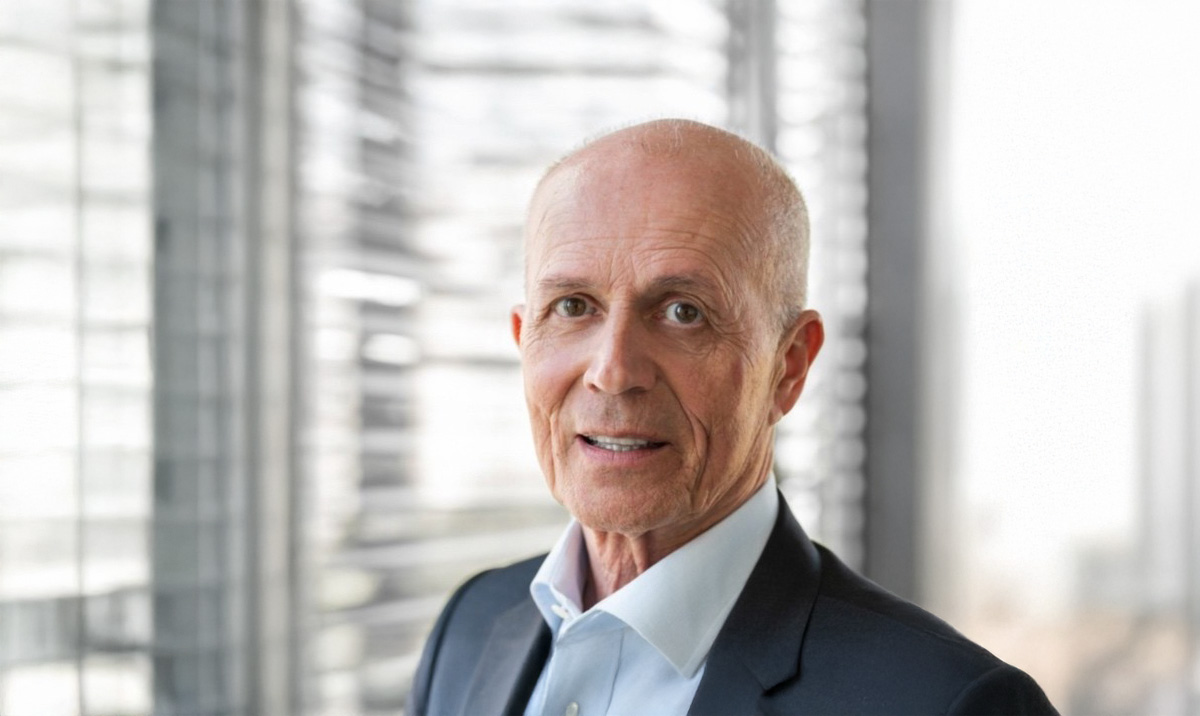
Peter Vogel is Professor of Family Business and Entrepreneurship, Director of the Global Family Business Center (GFBC), and Debiopharm Chair for Family Philanthropy at IMD, where he leads the Leading the Family Business, Leading the Family Office, and Lean Intrapreneurship programs. He is recognized globally as one of the foremost family business educators, advisors, and academics, and has received numerous awards and distinctions. He is the author of the award-winning books Family Philanthropy Navigator and Family Office Navigator.

President, Delegate of the Board, Après-demain
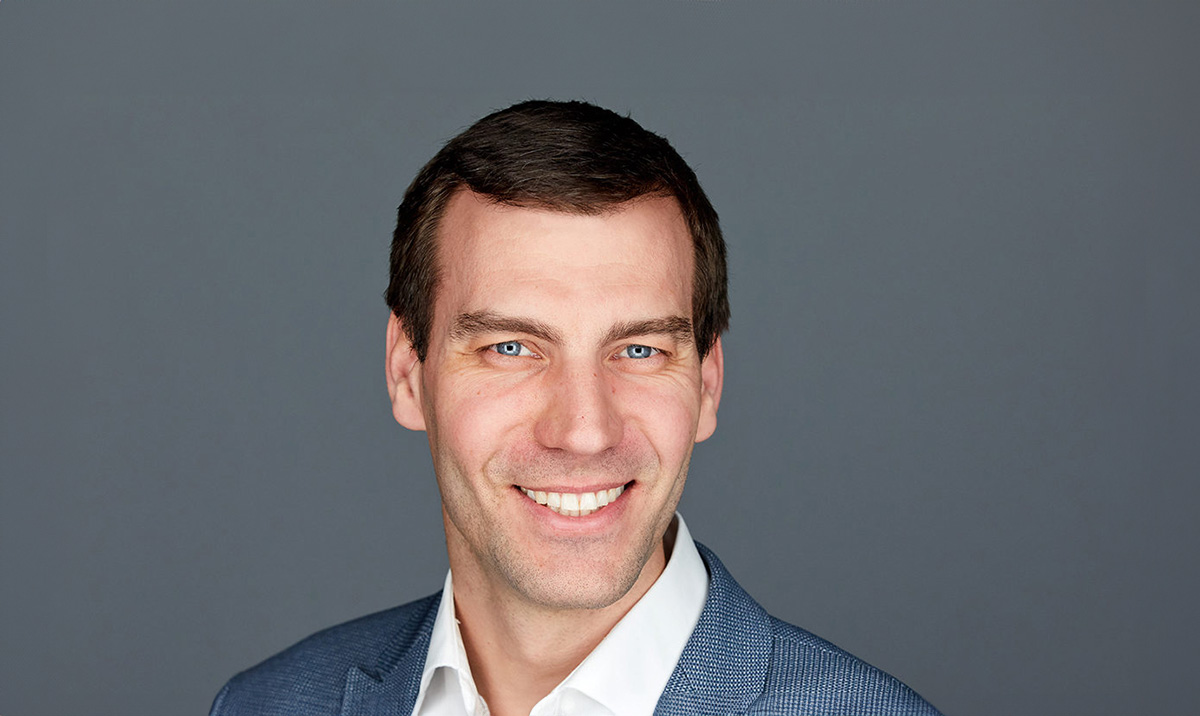
Thierry Mauvernay is President of Après-demain, the parent company of Debiopharm, a Swiss, privately owned, biopharmaceutical company founded by his father over 40 years ago. Après-demain invests in a variety of industries including companies impacting sustainable energy, education, food, and services to individuals with real estate. Mauvernay is also Chairman of the investment committee of Debiopharm Innovation Fund. He holds a Master of Science in Economics and Marketing and an MBA from the Institut d’Administration des Entreprises.
July 1, 2022 • by Anand Narasimhan, Stefan Michel, Karl Schmedders, Robert Hooijberg, Susan Goldsworthy, Alyson Meister, Katharina Lange, Shlomo Ben-Hur in I by IMD Book Club • 7 min read
From dealing with burnout and bullsh*t to the joys of friendship and climbing mountains, IMD professors offer a varied choice of summer reading material...
May 20, 2022 • by Stéphane J. G. Girod in I by IMD Book Club • 5 min read
Any company that wants to last needs to learn the art of agility, best understood as creating flexibility and fostering entrepreneurship at the strategic, organizational and management levels....
April 29, 2022 • by Arturo Bris, Philip Rosenzweig in I by IMD Book Club • 7 min read
To boost company performance, executives must support the competitiveness of their countries and embrace public-private collaboration to help articulate and implement national strategy, say IMD Professors Arturo Bris and Phil Rosenzweig....
February 25, 2022 • by Salvatore Cantale in I by IMD Book Club • 8 min read
An award-winning book on business model innovation helps leaders engineer their way to success by reframing their businesses in today’s virtual setting...
February 1, 2022 in I by IMD Book Club • 6 min read
Our first four books look at topics we believe are relevant for executives right now - from China's retail revolution to how to innovate your business model, supply chain strategy management and...
November 24, 2021 • by Shlomo Ben-Hur, Susan Goldsworthy in I by IMD Book Club • 5 min read
In this interactive webinar, Shlomo Ben-Hur discusses his book "Leadership OS" with Susan Goldsworthy....
September 24, 2021 • by Knut Haanaes, Martin Reeves in I by IMD Book Club • 6 min read
In this interactive webinar, Martin Reeves, Chairman of Boston Consulting Group's Henderson Institute, discusses his book The Imagination Machine with Knut Haanaes....
August 26, 2021 • by Philip Rosenzweig, Arturo Bris in I by IMD Book Club • 5 min read
In this interactive webinar, Phil Rosenzweig and Arturo Bris debate the value of “The Value of Everything”. It’s a homage to the many people doing important things, who are not being “valued”...
June 24, 2021 • by Philip Rosenzweig in I by IMD Book Club • 1 min read
Rather than a long volume on one country or another, this book provides what The Wall Street Journal calls “a valuable and thoroughly researched analysis.” This selection will not only be highly...
June 1, 2021 • by Philip Rosenzweig in I by IMD Book Club • 8 min read
Our book for May is a very important book that has received considerable attention and praise, all fully justified. It speaks to business, of course – work design, product design – but...
Explore first person business intelligence from top minds curated for a global executive audience