The CFO as a driver of AI-enabled growth
Digital transformation will be key to ensuring processes are primed for this growth phase. For Michels, this focus on digital has catalyzed change in both the CFO role and his personal development.
“Having a strong awareness of advances in automation and Generative AI is critical,” he says. “I have regular meetings with our CIO and use that time as a learning opportunity as well as to collaborate on project ideas. I work regularly with my leadership team on data management strategies and how to deploy advanced systems to make finance as effective as possible.”
While the productivity potential of innovative technologies is significant, Michels emphasizes the need for a growth-focused approach. “I think the best role for AI in a company is one that can help you optimize your revenue generation,” he argues. “While cost efficiency is very important, AI offers greater opportunities than reducing expenses and benefiting your bottom line.”
The CFO as data strategist: Easing AI pain points
Michels avoids a “spray-and-pray” approach to AI, where investment is made hopefully rather than as part of a detailed long-term strategy. “The way we’re approaching it is to prioritize areas where we can see opportunities for incremental revenue generation,” he explains. “Then, we develop solutions to help achieve those gains.”
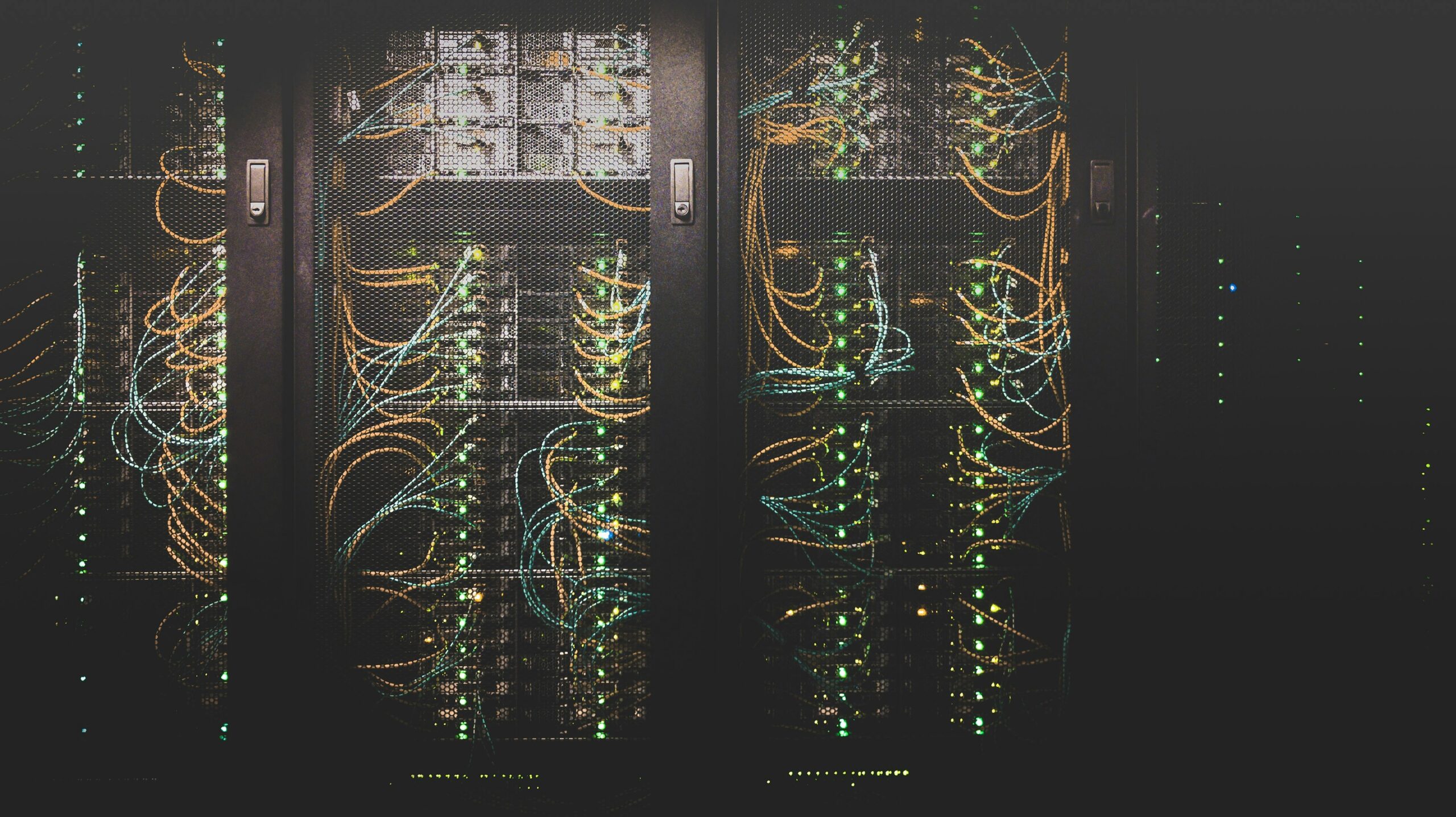
Of course, data of the required quality and format underpins this process. Kinder Morgan is consolidating its data into a centralized virtual warehouse to support analytics and AI-driven decision-making as part of a multi-year project. This structured approach ensures the company can quickly adapt to emerging opportunities in a fast-changing market.
Robust data is at the heart of sustainability reporting
For several years, Kinder Morgan has released a sustainability report supported by detailed metrics and data. However, while Michels sits on the disclosure committee for the sustainability report, the responsibility for gathering and reporting the data remains with the operational team, who are closer to the data and understand its nuances.
While some companies have lifted sustainability reporting wholesale into the finance function, Kinder Morgan’s approach prioritizes the input of infrastructure operations and engineering experts. The key disciplines of financial reporting are then upskilled into the team.
“Because they’re not accountants, we have provided training on reporting controls and processes and helped ensure the appropriate quality control checks and procedures are established for credible reporting,” says Michels.
Kinder Morgan’s focus on digitization is positioning it to lead in addressing the challenges and opportunities of a digital energy economy. With its strategic investments in data and digital tools, the company is well-equipped to help power the industries that are driving the digital revolution.