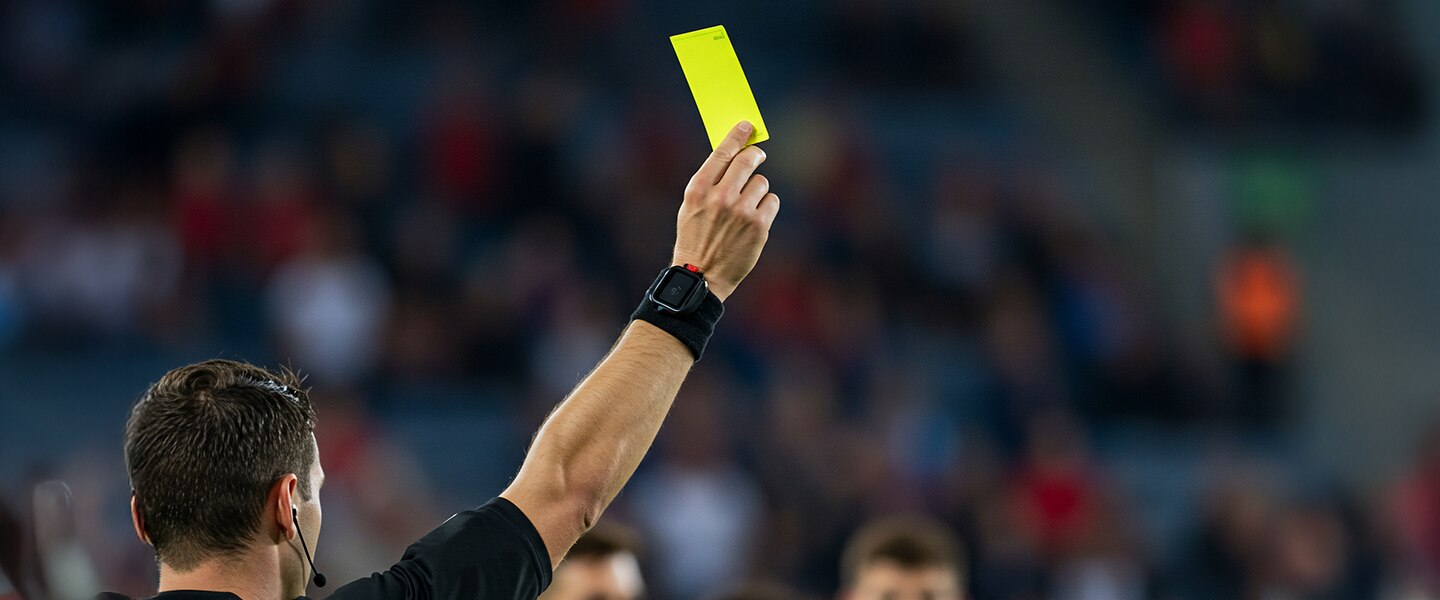
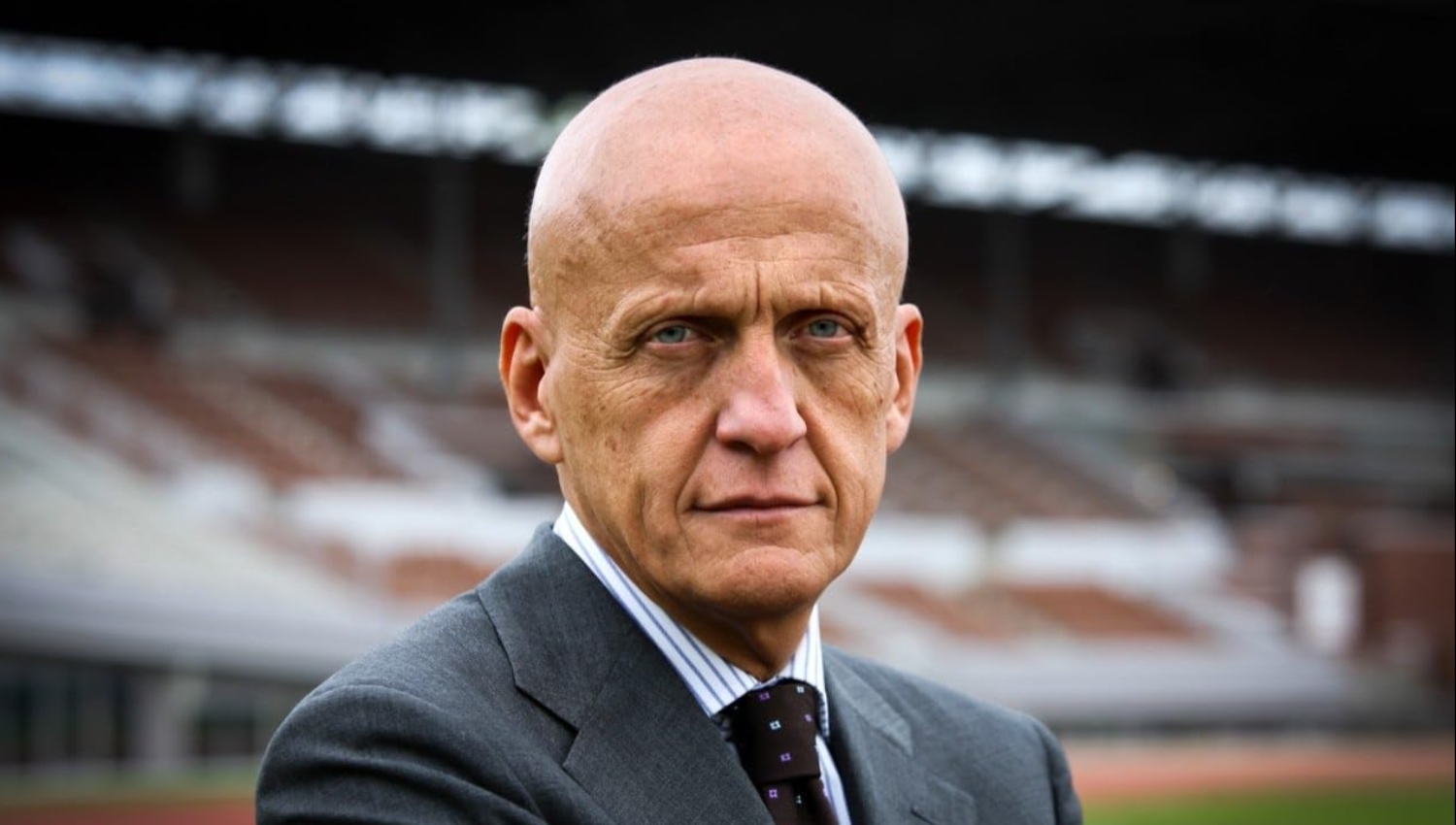
Do your research
Like anything in life, hard work and preparation is crucial to success. Absorb as much information as you can about the market, your customers, and your stakeholders so that when you need to make a tough decision, you’re coming from an informed position.
Anticipate developments
Try to stay one step ahead, so you’re not just reacting to what happens. You need to be able to anticipate possible developments, so you’re much more likely to make the right call.
Harness your nerves
Don’t allow nerves to cross over into anxiety, which will impede your performance. How you do this might not be the same as your colleagues – for some, rest and relaxation before an important meeting may be the way to go; others may find that nerves provide the adrenaline needed to drive results.
Learn from your mistakes…
Mistakes are often opportunities: a chance to learn, grow, and improve for the next time. What’s important is not to look for an excuse, but to find a solution.
.. but don’t dwell on them
After a mistake, analyze it to understand why it happened and avoid repeating it. Then forget it – because, for the next big decision, you need a positive mentality. That’s why, when anyone asks me, “What’s the biggest mistake you ever made?” I always reply, “Sorry, I forgot.”
Stand by your decisions
In business as in sport, if your team trusts you, they can accept a decision even if they think it is wrong. To be accepted when you’re wrong, you can’t always be right. You can be empathetic but firm and strong at the same time. Sometimes you have to be autocratic because you’re the boss. And don’t let the other person have the last word: that must be yours.
Be yourself
Don’t pretend to be someone you’re not – people don’t trust actors. If you play a role or follow a script, you will immediately be seen as inauthentic.
Develop situational leadership
Build trust with empathy by dealing with people according to their personalities. Sometimes a smile works better than a stern admonishment, so try to understand the reason behind any strong reaction. It’s about modifying something in the moment to better connect with people.