
Competitive identity: Your hidden lever in a transition
Considering a career transition? Begin by identifying your unique values and strengths. Sophi Hazi and Arturo Pasquel guide you through the process....


by Öykü Işık Published December 19, 2024 in Brain Circuits • 3 min read
Unlike digital technology, which relies on bits (0 or 1) or binary values, quantum computers use qubits. These are a ‘superposition’ of multiple possible states, meaning they can represent 0, 1, or any proportion of both, simultaneously. This enables incredibly complex calculations to be performed at speeds far beyond the capability of traditional computers. Quantum computing thus has the potential to enable breakthroughs in areas such as cybersecurity, material science, drug discovery, and financial services.
While quantum technologies are revolutionizing the way we work and communicate in our daily lives, the technology leap is not without its risks. The most critical challenge is its impact on cryptography and cybersecurity, raising the question: what happens if someone builds a quantum computer capable of cracking RSA encryption, a method commonly used today to secure all our digital data?
Cybercriminals today adopt a ‘store now, decrypt later’ approach, posing unanticipated threats down the line. To minimize the impact of quantum attacks, you need to:
Securing encryption is a high-stakes long game. Start planning a roadmap today to navigate the new cybersecurity challenges of the quantum era.

Professor of Digital Strategy and Cybersecurity at IMD
Öykü Işık is Professor of Digital Strategy and Cybersecurity at IMD, where she leads the Cybersecurity Risk and Strategy program and co-directs the Generative AI for Business Sprint. She is an expert on digital resilience and the ways in which disruptive technologies challenge our society and organizations. Named on the Thinkers50 Radar 2022 list of up-and-coming global thought leaders, she helps businesses to tackle cybersecurity, data privacy, and digital ethics challenges, and enables CEOs and other executives to understand these issues.

March 26, 2026 • by Sophie Hazi, Arturo Pasquel in Brain Circuits
Considering a career transition? Begin by identifying your unique values and strengths. Sophi Hazi and Arturo Pasquel guide you through the process....
March 24, 2026 • by Patrick Reinmoeller in Brain Circuits
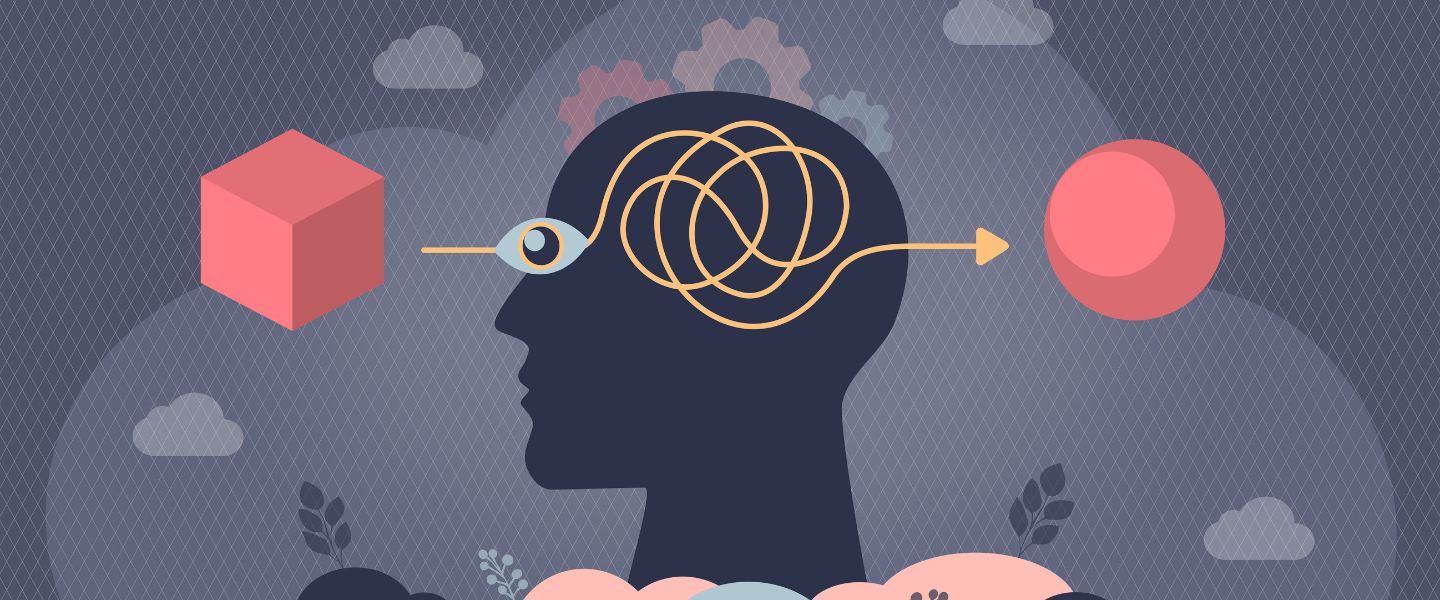
Of the many biases humans are prey to – such as anchoring bias, loss-aversion bias, status quo bias, and recency bias – confirmation bias can be most evident in the boardroom. But...

March 19, 2026 • by Anna Erat in Brain Circuits
As workforces age, organizations must confront a critical question: how will extended lifespans reshape leadership, organizational strategy, and the very concept of a career? Anna Erat identifies four focus areas to sustain...

March 17, 2026 • by Jennifer Jordan in Brain Circuits
To transition into the boardroom, you need a brand, a unique board proposition, and a governance mindset - but you also need to consider the value you add and the cultural fit...
Explore first person business intelligence from top minds curated for a global executive audience