Throughout their careers, highly capable female leaders often hear the same description from their peers and superiors: you’re brilliant, but you need to work on your confidence.
In many organizations, this feedback is delivered almost reflexively to women – even when their performance, expertise, and leadership ability are not in doubt.
What makes this feedback striking is not how often it appears, but to whom it is directed. The women being told to work on their confidence are frequently among the most grounded, thoughtful, and capable participants in leadership programs. Their track records are strong. Their judgment is sound. Their performance is not in question.
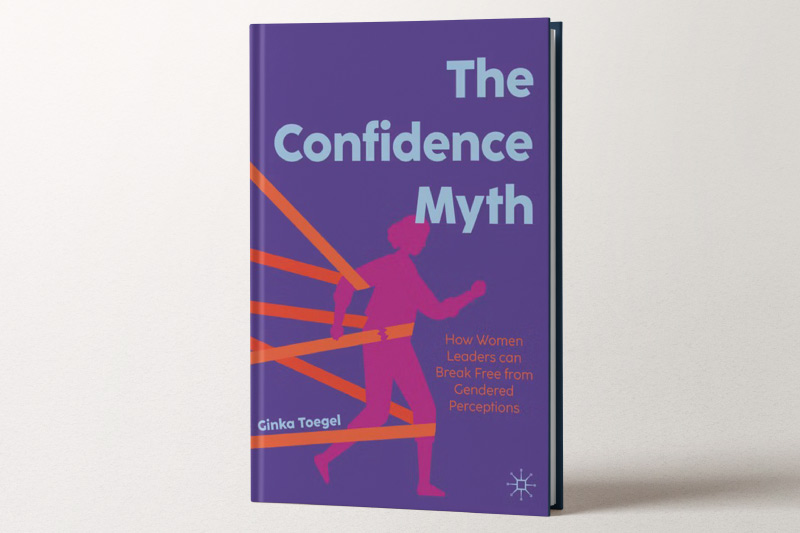
This pattern is the starting point for The Confidence Myth: How Women Leaders can Break Free from Gendered Perceptions. The book challenges the deeply ingrained assumption that female leaders struggle with confidence. Instead, it shows how confidence is often misread at work – shaped less by inner belief than by perception, interpretation, and the organizational systems in which women lead.
The result is a familiar paradox. Women who run teams, manage complexity, and deliver results are still encouraged to “work on their confidence.” Yet research consistently shows that women’s confidence levels are no lower than men’s – and in some stages of life, are even higher.


 Share
Share YouTube
 December 1, 2023 • by