Entry-level hiring is declining. What could go wrong?
Cutting entry-level roles may save costs today, but it endangers the development of future leaders and the skills organizations will urgently need....

Published March 4, 2026 in Talent • 5 min read
Empowering employees to address customers’ problems instills in them a sense of responsibility and ownership. According to Isabel Naidoo, Chief People Officer at Wise, a global platform for moving and managing money across borders, this is key to employee retention.
Wise has mastered the art of charming potential hires and making recruits feel at home. Over the past three years, it has hired over 1,500 people, taking its total headcount above 6,500. Naidoo has witnessed this growth at first hand, having joined the business in 2022.
The company’s staff (known internally as “Wisers”) represent 124 nationalities and work across 11 major locations. “Nearly half of our employees work in a country different from their nationality,” explains Naidoo. “I’m one of these people with international roots, as my mother is from Southern Europe. It’s nice to work in an environment where your people are as diverse as our customer base.”
Unlike more traditional workplaces, where job specs dictate which tasks employees undertake, Wisers are given the choice of which customer problems they focus on within their remit. If they successfully identify an issue, they are given the freedom to analyze and fix it.
“It’s a really nice way to think about your work,” says Naidoo, “Irrespective of which function you work in, empowerment unleashes people to thrive and causes them to stay at the organization.”
But real empowerment demands a lot more than simply granting permission for certain activities and approaches. Staff need the tools to effect change, as well as access to the business data required to diagnose an issue accurately. Work patterns must be flexible, allowing individuals to work on multiple projects simultaneously.
Companies also need the agility to put together, at speed, multi-skilled teams to address specific problems. Naidoo is keen to stress that empowering employees does not necessarily mean asking them to work in isolation. “There’s a misconception that software developers need to work by themselves,” she says. “Actually, our work, especially in the technology team, is highly collaborative.”


Naidoo believes that every aspect of work, including environment, approach, and training, should be tailored to suit each individual. To this end, Wise provides every employee with a personal learning budget that they can use to expand their skillset.
Technology is a key ally in this endeavor of tailoring experiences. One example is the people team’s use of an AI-powered feedback coach to help workers write specific, constructive, and inclusive feedback during the 360-degree-feedback process that happens twice a year. This feedback informs ultra-tailored development recommendations spanning technical knowledge, behaviors, and interpersonal skills.
“The only flexibility that corporates used to offer was related to benefits,” says Naidoo. “But this is now changing as businesses realize that creating a customized experience that lets people thrive regardless of their expertise and experience boosts retention. This is a major focus for us. Importantly, people’s requirements change as they grow professionally or decide to start families, so it’s vital to offer flexibility throughout their careers.”
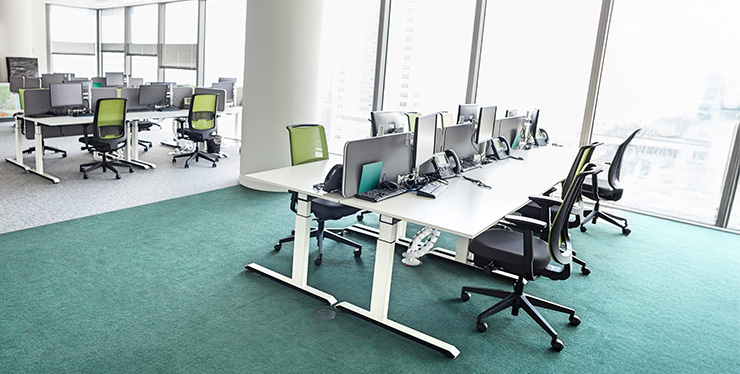
This philosophy extends to the physical workspace. “I see our offices as innovation zones, irresistible environments in cities like London and Austin designed to remove obstacles to collaboration,” says Naidoo. “From whiteboards for brainstorming to informal ‘touchdown’ spaces, these offices are shaped by employee input. By prioritizing proximity to public transport and high-spec design, we ensure the daily experience is a value-add that empowers talent to solve complex global problems.”
The true draw for talent is knowing their work aligns with a higher purpose.- Isabel Naidoo
Wise’s vision is “money without borders.”
Naidoo believes these aims make Wise an attractive proposition as an employer because workers feel their roles contribute to an elevated purpose. But companies must take care. If the everyday work experience fails to reflect their positive mission statements, employees will become skeptical and potentially resentful of leadership intentions.
“The true draw for talent is knowing their work aligns with a higher purpose,” says Naidoo. “When people see every decision actively serving the mission of better money movement, it creates a powerful sense of trust. You must avoid any say–do gap by adopting practices that align with your purpose.”
Wise ensures that it is listening to its employees by organizing biannual “mission days,” when staff discuss, debate, and constructively challenge each other about how the business can better deliver on its mission. These are complemented with quarterly planning “rituals,” in which teams discuss business plans and how daily work can further the overarching vision.
This approach appears to be working. According to its engagement survey, Wise consistently scores in the top 25% of businesses when it comes to its employees feeling inspired by the mission and recommending Wise as a place to work.
An enhanced ability to hire and retain key expertise has become a major differentiator. By making it clear that new starters will have the tools and freedom to make a difference, companies can bring this within their grasp.

Chief People Officer, Wise

February 19, 2026 • by Robert Hooijberg in Talent
Cutting entry-level roles may save costs today, but it endangers the development of future leaders and the skills organizations will urgently need....

February 16, 2026 • by Zhike Lei in Talent
Some of China’s most profitable companies have thrived by piling pressure on workers – sometimes with tragic results. Zhike Lei outlines how multinationals can design work that avoids burnout and exploitation. ...

February 5, 2026 • by Katharina Lange in Talent
Entry-level roles give new recruits an opportunity to develop intuition and judgment. But a lack of humility could be stunting the development of future leaders, argues IMD’s Katharina Lange. ...

January 27, 2026 • by Ulrika Karnland, Katarina Norén in Talent
ABB Sweden’s 120-year-old graduate trainee program has survived wars, crises, and industry upheaval. What does its endurance reveal about building talent for the long term?...
Explore first person business intelligence from top minds curated for a global executive audience