
Are you scaling, or just burning cash?
Are you scaling or just burning cash? Learn how to validate demand, use data, forecast growth, and focus your strategy to build a sustainable, profitable business....

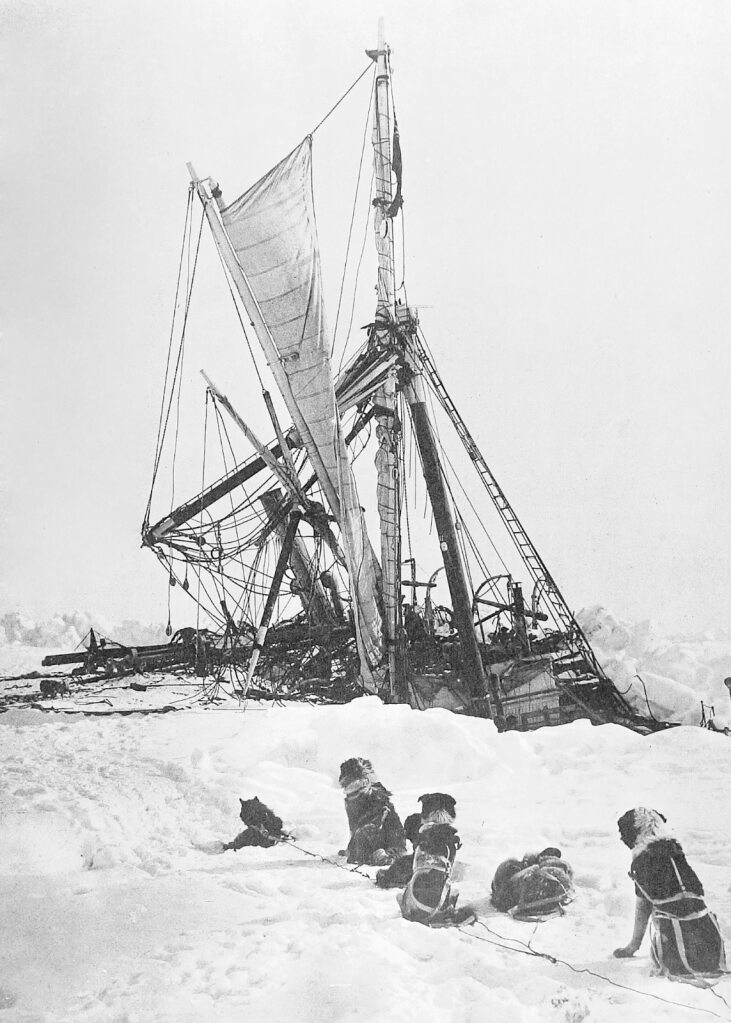
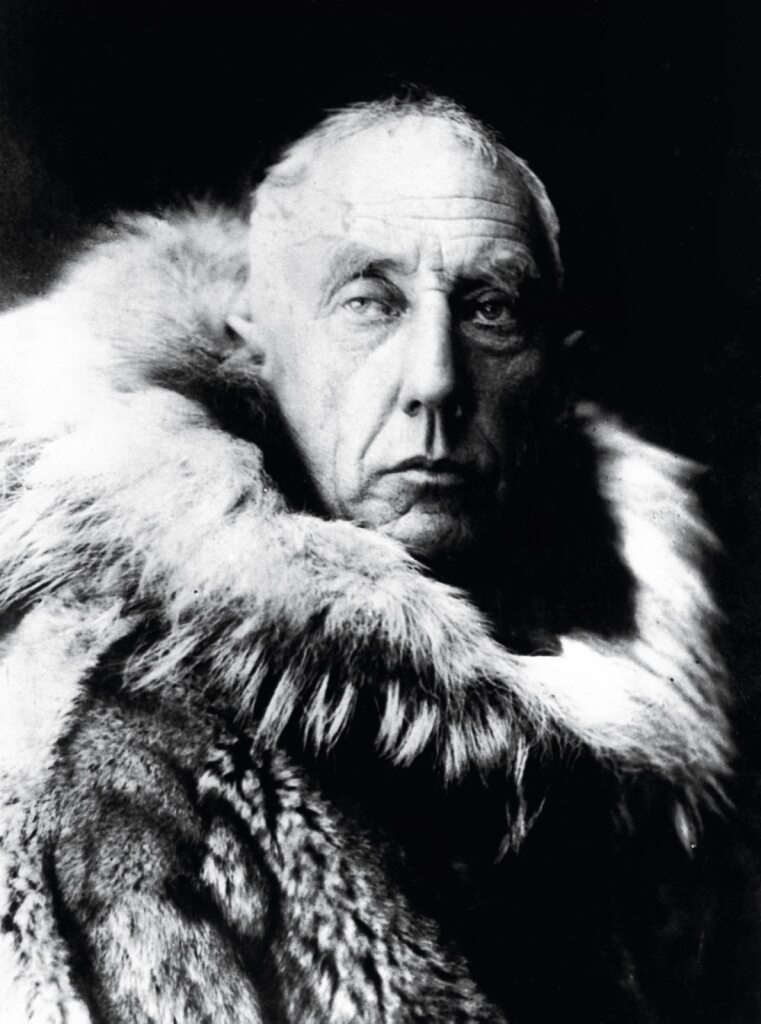

Are you scaling or just burning cash? Learn how to validate demand, use data, forecast growth, and focus your strategy to build a sustainable, profitable business....
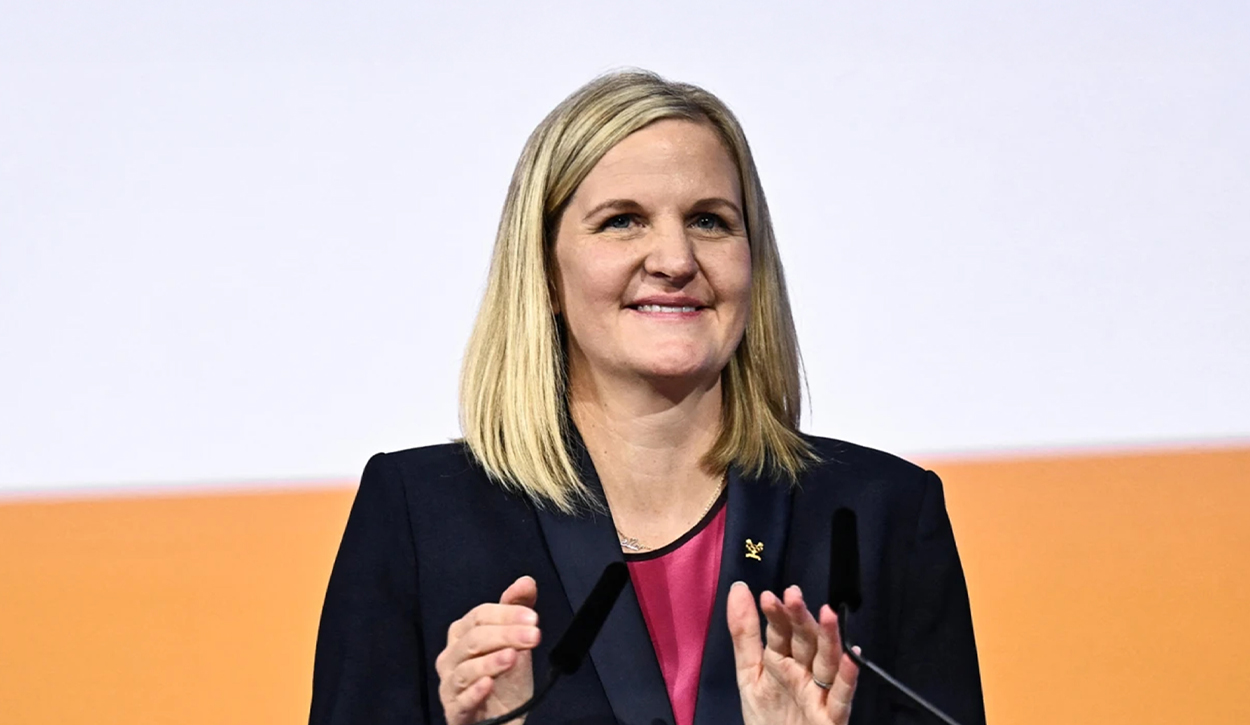
What does it take to lead one of the world’s most visible institutions? IOC president Kirsty Coventry on athlete-style leadership, fairness in women’s sport, and the future of Olympic relevance....

IMD’s AI Safety Clock shows tension between rapidly expanding artificial intelligence capabilities and lack of meaningful oversight, raising risk. ...

AI may become one of the most significant leadership opportunities for women in decades. Its impact will depend on how capability, governance, and leadership are built around it....
Explore first person business intelligence from top minds curated for a global executive audience