
Competitive identity: Your hidden lever in a transition
Considering a career transition? Begin by identifying your unique values and strengths. Sophi Hazi and Arturo Pasquel guide you through the process....

When employees distrust leadership, it swiftly produces a trust deficit, with the following adverse outcomes:
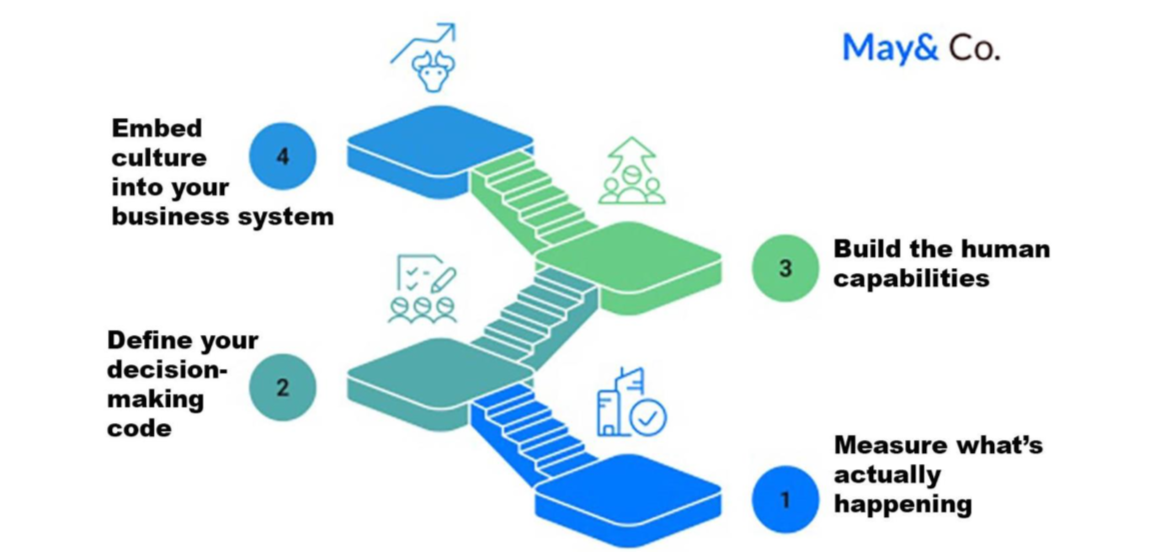
Most leadership teams are working on perilous assumptions as hidden cultural dysfunction hurts the bottom line. They assume engagement is high because employees smile in meetings, but they are blind to where decisions get stuck, silos destroy collaboration, and high performers fall silent. The answer lies in robust culture diagnostics that reveal the exact moments where your culture creates or destroys value.
Values like “ownership” and “accountability” on a PowerPoint slide provide no behavioral instruction, so culture becomes what the loudest person in the room makes it. Instead of a bunch of inspirational platitudes, you need a core code based on purpose, values, and crisp trade-offs that teaches individuals how to make choices when priorities conflict.
Awareness doesn’t drive change: capability does. Your team needs to shift their mindset, change behaviors, and develop hands-on skills to bring your culture code to life daily. That requires the ability to provide feedback that matters, call out the right action in the moment, and hold violations accountable without drama. Strengthen these by focused training and include behavioral feedback loops that turn culture-building into a continuous process, not some activity that was done at an offsite last year.
The inherent failure of most cultural initiatives is that they require a hero to survive. When the hero departs or becomes bored, the initiative dies, and cynicism flourishes. The solution is to embed culture into the systems that already run your company, e.g., linking cultural behaviors to the same dashboards and KPIs as revenue and EBITDA and incorporating them into hiring, onboarding, performance reviews, and promotion decisions.

Considering a career transition? Begin by identifying your unique values and strengths. Sophi Hazi and Arturo Pasquel guide you through the process....

Of the many biases humans are prey to – such as anchoring bias, loss-aversion bias, status quo bias, and recency bias – confirmation bias can be most evident in the boardroom. But...

As workforces age, organizations must confront a critical question: how will extended lifespans reshape leadership, organizational strategy, and the very concept of a career? Anna Erat identifies four focus areas to sustain...

To transition into the boardroom, you need a brand, a unique board proposition, and a governance mindset - but you also need to consider the value you add and the cultural fit...
Explore first person business intelligence from top minds curated for a global executive audience