Share
Facebook Facebook icon Twitter Twitter icon LinkedIn LinkedIn icon Email

Best Practice in Sustainable Business Transformation

Navigating uncharted waters: Wärtsilä’s journey to decarbonize global shipping and energy

Published February 19, 2026 in Best Practice in Sustainable Business Transformation • 9 min read

For Håkan Agnevall, President and CEO of Wärtsilä, decarbonization means reimagining how a 190-year-old company can drive change from within two of the world’s hardest-to-abate industries: shipping and energy.  

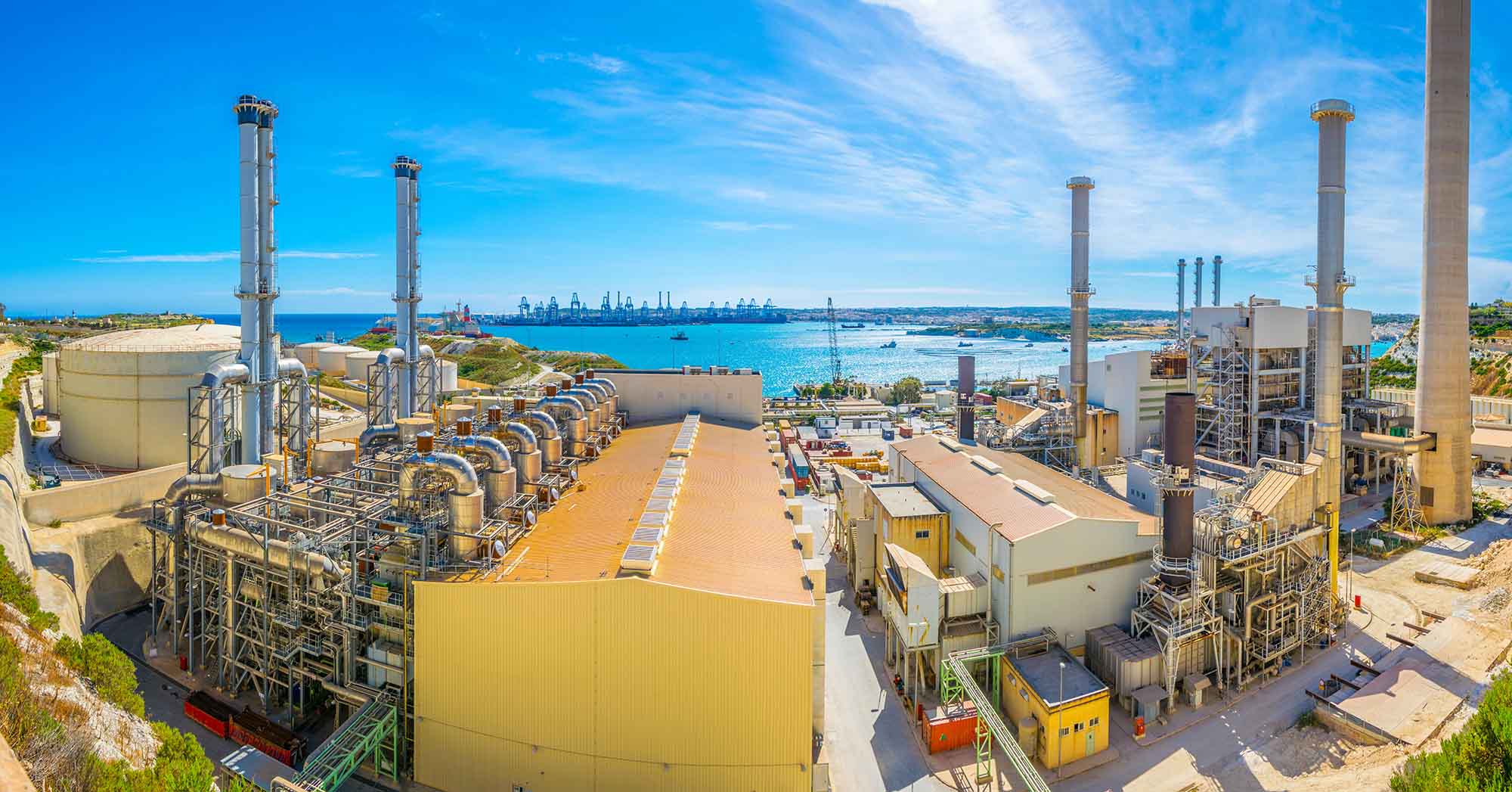
Few companies are as deeply embedded in the world’s infrastructure as Wärtsilä. Its engines power cargo ships that carry 80% of global trade; its hybrid energy systems keep lights on in remote communities, and its digital technologies balance renewable grids across continents. The Finnish company operates in more than 70 countries and employs about 18,000 people. Its reach is vast – and so is its impact. Shipping and energy together account for roughly 35% of global CO₂ emissions, placing Wärtsilä at the heart of the decarbonization challenge. 

For Agnevall, that position is both a burden and a privilege. “At Wärtsilä, we serve two industries – marine and energy,” he explains. “Marine is about 60% of our business; energy is 40%. The same piston-engine technology sits at the core of both. Our strategy, in one word, is decarbonization.” 

It’s a bold goal for a company long known for building some of the world’s most powerful engines. But Agnevall insists that transformation is part of Wärtsilä’s DNA. “We shouldn’t be shy about it,” he says. “We are part of the problem, but also part of the solution. The good news is that the technologies for decarbonized shipping and 100% renewable power already exist. The challenge is scaling them and making them financially viable.” 

That challenge now defines Wärtsilä’s mission. The company is racing not just to cut its own footprint, but to help entire industries transition to cleaner fuels, smarter systems, and more resilient networks. For Agnevall, it’s the ultimate test of leadership: how to turn engineering excellence into climate impact, and how to make a 190-year-old industrial icon a catalyst for a zero-carbon future. 

Decarbonizing shipping and energy isn’t a linear path. It’s a balancing act between technological progress, global regulation, and the practical realities of infrastructure that was built for another era.

The challenge: Balancing urgency with reality in the race to net zero 

Decarbonizing shipping and energy isn’t a linear path. It’s a balancing act between technological progress, global regulation, and the practical realities of infrastructure that was built for another era. Wärtsilä stands at the intersection of those worlds, driving one of the most complex transitions in modern industry. 

“The speed at which the marine and energy industries are moving to meet decarbonization goals is accelerating,” says Agnevall. “In the coming 10 years, there will be more happening in these sectors than in the previous 30 or 40, and it’s all centered around decarbonization.” 

The company can design engines that run on ammonia, hydrogen, or green methanol, but technology alone isn’t enough. “It’s one thing to have the technology,” Agnevall explains. “It’s another to have the fuel available and the infrastructure in place.” Each innovation depends on a vast and uneven global ecosystem of shipyards, ports, suppliers, energy grids, and policy frameworks. Some markets, like Norway, Singapore, and Japan, are moving quickly. Others are still building the foundations for change. 

This uneven readiness creates a difficult equation. The shipping industry alone operates more than 100,000 large vessels, many of which will remain in service for decades. Each ship must comply with increasingly strict emissions regulations, yet fuel flexibility and affordability remain major hurdles. Even as Wärtsilä develops multi-fuel engines and hybrid systems, the reality is that many of the world’s ports are not ready to supply zero-carbon fuels at scale. 

Regulation adds another layer of urgency. The International Maritime Organization’s upcoming energy-efficiency standards are pushing the industry to act faster, but global carbon pricing has yet to be adopted. Without a financial framework that levels the playing field, green technologies remain two to four times more expensive than fossil-based solutions. 

For Wärtsilä, the challenge is systemic. How do you accelerate decarbonization when the infrastructure, incentives, and supply chains are not yet aligned? How do you drive transformation in industries that are essential to the global economy but resistant to rapid change? 

Agnevall is clear about what it will take. “This is a global puzzle,” he says. “Different regions will move at different speeds, depending on infrastructure, policy, and economics. Our job is to build trust, send clear signals that change is coming, and work with partners to de-risk the transition.” The test is as much about coordination as it is about innovation. Wärtsilä must guide an ecosystem toward the future: one engine, one port, one policy at a time. 
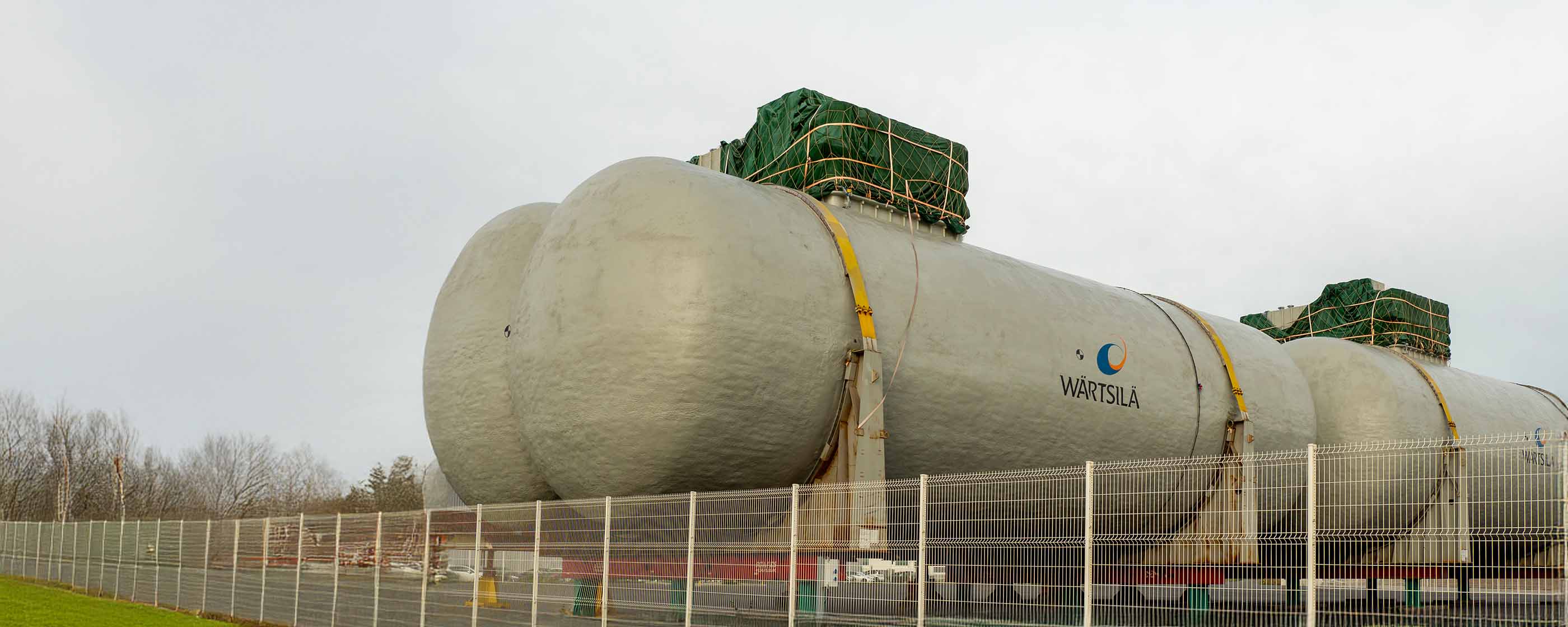
Technology alone is not enough, you also need to have the right infrastructure in place.

The solution: Engineering the transition from within 

For Wärtsilä, solving the decarbonization challenge begins with redefining what it means to be an engineering company. Technology remains at the heart of its identity but leadership under Håkan Agnevall has reframed it as a catalyst for system-wide change. The goal is not just to design cleaner engines, but to make the transition toward zero carbon possible for an entire ecosystem of customers, regulators, and suppliers. 

Agnevall calls this “engineering the transition.” It means using Wärtsilä’s technical strengths to help two of the world’s hardest-to-abate sectors – shipping and energy – move forward in lockstep. “Decarbonization is accelerating, but it is still too slow,” he says. “The technologies are here. Now we need the frameworks, the fuels, and the investment to match the ambition.” 

That pragmatism has shaped Wärtsilä’s decarbonization roadmap. The company is focusing on three interdependent areas: future fuels, hybrid systems, and digital optimization. Each step is designed to accelerate progress now while preparing for a zero-carbon future. 

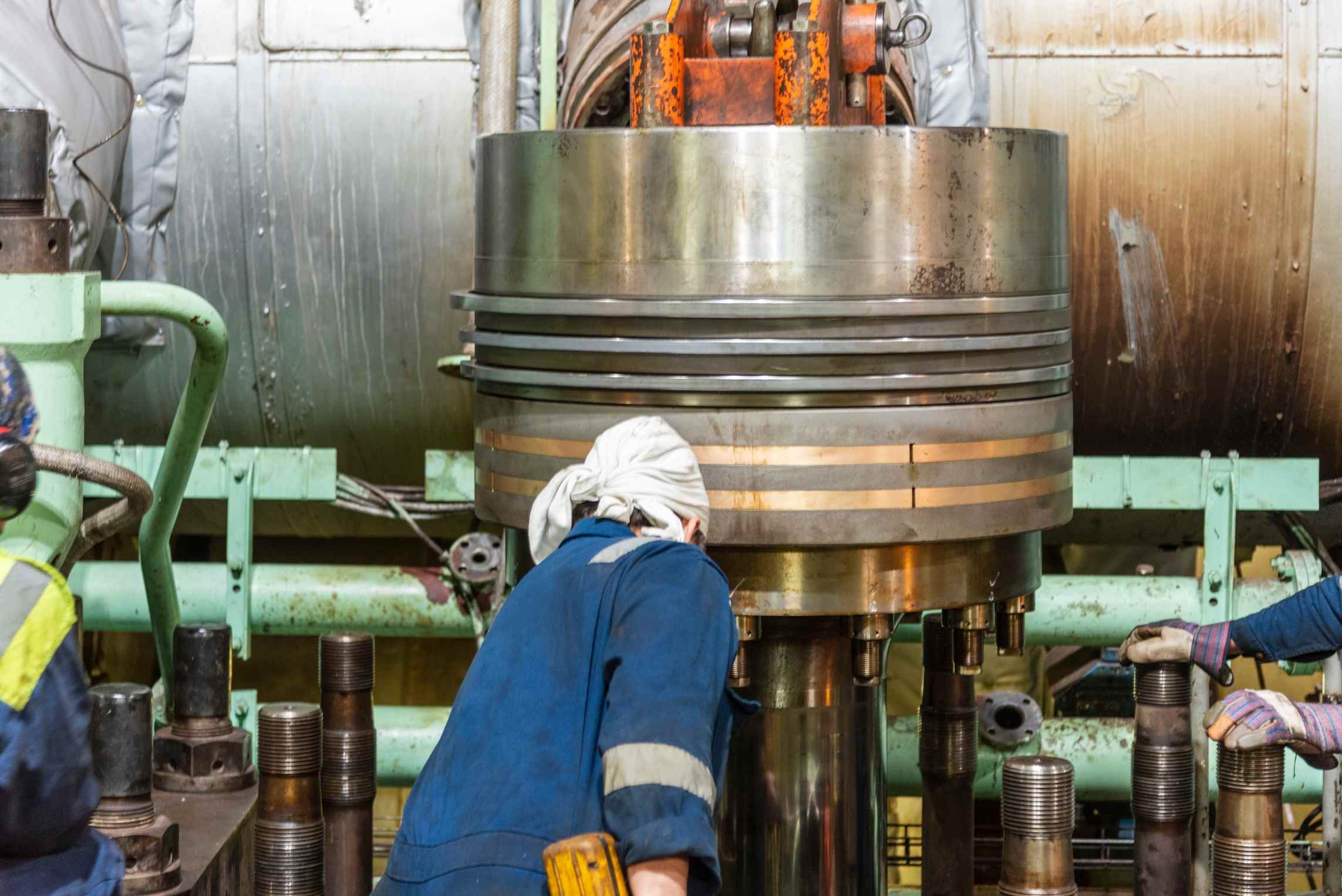
Wärtsilä has long been known for its combustion expertise, but today its engines are being reimagined for a new era. The company has developed multi-fuel technology that allows vessels and power plants to operate on a range of fuels, from conventional LNG to biofuels, green methanol, ammonia, and hydrogen. “New ships will operate for about 30 years,” explains Agnevall. “They need to stay competitive through the transition, which means flexibility is key. We are selling engines today that can run on multiple fuels, even if the most sustainable options are not yet available.” 

In 2024, Wärtsilä reached an important milestone when it sold its first ammonia engine to Norwegian operator Eidesvik. It also launched a concept for a 100% hydrogen power plant, positioning itself at the forefront of zero-carbon fuel technology. Yet Agnevall is the first to emphasize that technology alone is not enough, as you also need to have the right infrastructure in place.  

That is why Wärtsilä invests heavily in partnerships and platforms that connect innovation to real-world application. Its Sustainable Technology Hub in Vaasa, Finland, represents this approach in action. With a €250m ($294m) investment, the facility serves as an open innovation platform where customers, startups, and researchers co-develop solutions ranging from carbon capture systems to renewable microgrids. “We are trying to create a platform to accelerate innovation,” Agnevall explains. “By inviting others in, we can scale faster and learn together.” 

Wärtsilä’s approach shows that leading in complex systems means aligning diverse stakeholders, incentives, and timelines toward a shared goal.

5 key takeaways 

Wärtsilä’s transformation offers insights into how to drive decarbonization in complex, hard-to-abate industries where timing, trust, and technology must move together. 

1. Lead through ecosystems

No company can decarbonize alone. Wärtsilä connects shipowners, fuel producers, ports, utilities, and regulators to co-develop solutions that make low-carbon operations technically and commercially viable. 

2. Power the transition instead of waiting for the revolution 

Wärtsilä’s approach is pragmatic. Instead of waiting for perfect zero-carbon conditions, it develops technologies that enable progress today. Multi-fuel engines, hybrid systems, and carbon-capture retrofits help industries move steadily toward decarbonization while the wider ecosystem catches up. 

3. Build credibility through demonstration

Wärtsilä leads with proof. The Sustainable Technology Hub in Vaasa, the first ammonia-powered engine, and onboard carbon capture pilots turn ambition into evidence, building trust through tangible results. 

4. Sequence for impact

Transformation doesn’t happen everywhere at once. Wärtsilä focuses first where policy, technology, and market readiness align, using early adopters in places like Norway or Singapore to build momentum that others can follow. 

5. Redefine leadership as orchestration

Wärtsilä’s approach shows that leading in complex systems means aligning diverse stakeholders, incentives, and timelines toward a shared goal. Progress depends less on control and more on coordination. 

“Real-time optimization of ports, fleets, and power systems could eliminate up to a third of avoidable emissions.”

What’s next 

As Wärtsilä moves into the next phase of its transformation, the focus is shifting from proving that decarbonization is possible to making it scalable, investable, and inclusive. 

The company is now concentrating on closing the gap between technology and availability. New partnerships are forming across the value chain to accelerate fuel production and infrastructure for ammonia, methanol, and hydrogen. At the same time, Wärtsilä is developing financing models that make these technologies accessible to shipowners and energy providers in emerging markets, where the transition is often slowed by cost and regulation rather than ambition.  

For instance, in Jordan, Wärtsilä’s collaboration made it possible to offer the IPP3 power plant at a competitive price, thanks to efficient cooperation that shortened the project’s timeline and optimized costs. In Indonesia, Wärtsilä worked with Finnvera and Standard Chartered Bank to arrange export credit financing for the Arun power plant, helping secure a loan with favorable interest rates. These financing models helped speed up both projects and made them more affordable for their partners. 

Digitalization will play an increasingly central role. Real-time optimization of ports, fleets, and power systems could eliminate up to a third of avoidable emissions. Wärtsilä is expanding its digital ecosystem to connect these data points, enabling predictive planning and reducing waste across industries that have long operated in silos. 

Internally, the company is deepening its innovation culture. The goal is not just faster research and development but a more open, collaborative model of problem-solving that brings partners from startups to policymakers into the process earlier. 

Agnevall remains clear-eyed about the task ahead. “There are no easy answers,” he says. “The transition has to be environmentally sustainable, but it also has to be financially viable.” 

The next decade will test Wärtsilä’s ability to scale what it has started, to turn pilots into platforms and partnerships into ecosystems. Yet the company’s history suggests it is built for exactly this kind of challenge. Wärtsilä has reinvented itself many times before, each transformation driven by the same belief that progress and responsibility must evolve together. 

Today, that belief is once again propelling its journey. The task ahead is not to wait for the revolution, but to power the transition steadily, collaboratively, and at a scale that can move entire industries toward a cleaner future. 

Authors

Julia Binder

Julia Binder

Professor of Business Transformation at IMD

Julia Katharina Binder, Professor of Business Transformation, is a renowned thought leader recognized on the 2022 Thinkers50 Radar list for her work at the intersection of sustainability and innovation. As Director of IMD’s Center for Sustainable and Inclusive Business, Binder is dedicated to leveraging IMD’s diverse expertise on sustainability topics to guide business leaders in discovering innovative solutions to contemporary challenges. At IMD, Binder serves as Program Director for Creating Value in the Circular Economy and teaches in key open programs including  Transition to Business Leadership (TBL), and Leading Sustainable Business Transformation (LSBT). She is involved in the school’s EMBA and MBA programs, and contributes to IMD’s custom programs, crafting transformative learning journeys for clients globally.

Esther Salvi

Postdoctoral Research Fellow at IMD

Esther Salvi is Postdoctoral Research Fellow at IMD, specializing in qualitative and quantitative research on sustainable development. She earned her PhD in Economics and Social Sciences from the Technical University of Munich with highest distinction in 2023. Her work won multiple recognitions and features in leading journals such as Entrepreneurship Theory and Practice and Journal of Business Venturing Insights.

She has taught at both graduate and undergraduate levels and worked as Group Leader at leading European universities, collaborating with international companies, researchers, and students. She has also served as Doctoral Research Coordinator at the TUM SEED Center, and as Sustainability Manager for the UN PRME initiative at the TUM School of Management.

Related

Learn Brain Circuits

Join us for daily exercises focusing on issues from team building to developing an actionable sustainability plan to personal development. Go on - they only take five minutes.
 
Read more 

Explore Leadership

What makes a great leader? Do you need charisma? How do you inspire your team? Our experts offer actionable insights through first-person narratives, behind-the-scenes interviews and The Help Desk.
 
Read more

Join Membership

Log in here to join in the conversation with the I by IMD community. Your subscription grants you access to the quarterly magazine plus daily articles, videos, podcasts and learning exercises.
 
Sign up
X

Log in or register to enjoy the full experience

Explore first person business intelligence from top minds curated for a global executive audience