Does your board meet these seven sustainability tests?
Explore seven sustainability tests that help boards align initiatives with value creation, resilience, and long-term corporate longevity...
by Tomoko Yokoi Published May 12, 2026 in Brain Circuits • 3 min read
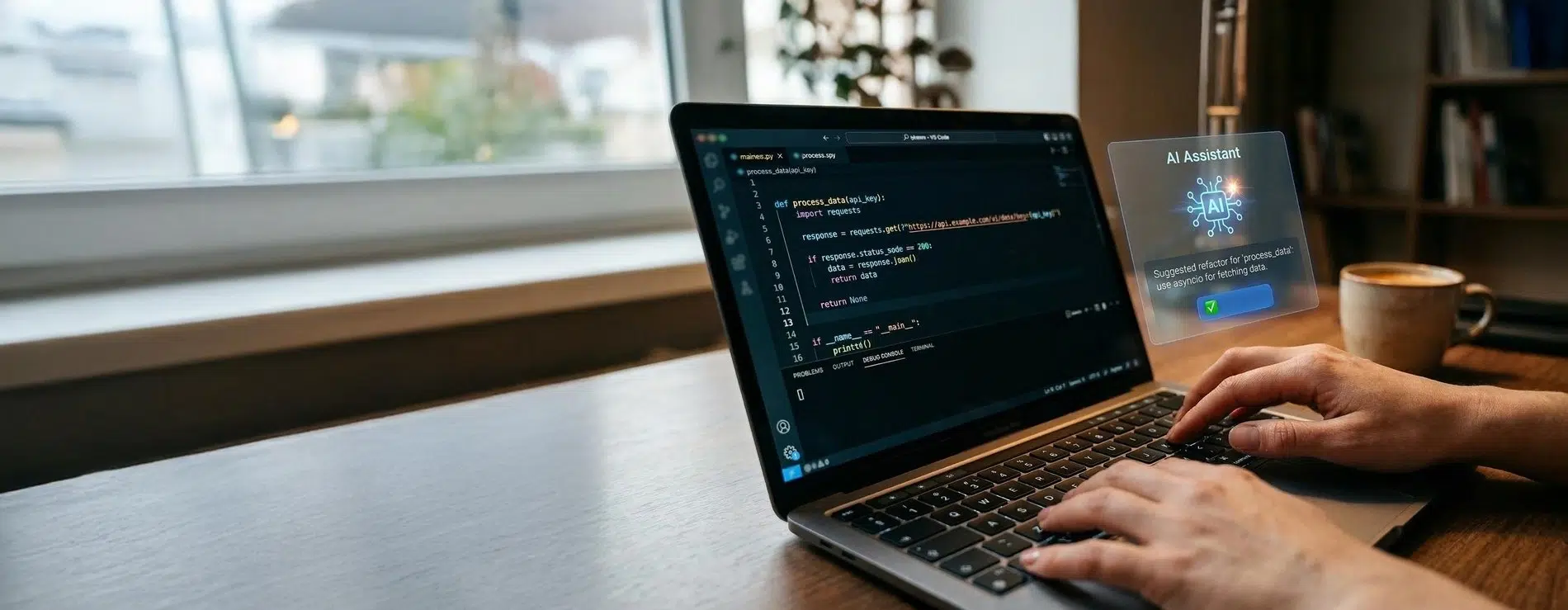
The concept of “vibe coding” holds that you no longer need to know complex computer programming languages to develop new apps or software products. Instead, you just tell an LLM what you want in plain English, and many organizations have already embraced “low-code” and “no-code” solutions that seek to democratize software development.
Early results from this trend are exciting. When business users start to see their ideas come to life, they’re encouraged to push harder, creating a virtuous cycle of experimentation and exploration. And when the whole business is keyed into the innovation process, it can develop proofs of concept quickly and at scale. This accelerates viable projects and fails other ideas fast – all with minimal upfront investment.
Business users with little experience of software testing may not spot these issues, while software engineers may find their time is taken up debugging.
But, before you get rid of all your software engineers, think carefully about the danger of creating applications that contain significant coding errors or that are of inferior quality. Business users with little experience of software testing may not spot these issues, while software engineers may find their time is taken up debugging the creations of users who didn’t really know what they were doing.
The risks of writing code without professional expertise include:
Here’s how to balance risk and reward:
The work of today’s software developers may soon be shared throughout the whole organization, with great benefits – but don’t dispense with the risk, security, and compliance expertise that is critical to an effective technology function.
Researcher
Tomoko Yokoi is a researcher and senior business executive with expertise in digital business transformations, women in tech, and digital innovation. With 20 years of experience in B2B and B2C industries, her insights are regularly published in outlets such as Forbes and MIT Sloan Management Review.
August 20, 2026 • by Matthias Altendorf in Brain Circuits
Explore seven sustainability tests that help boards align initiatives with value creation, resilience, and long-term corporate longevity...
August 18, 2026 • by Dorotea Brandin in Brain Circuits
Discover how to think like an optimist and empower your team with proactive and constructive responses to uncertainty....
August 13, 2026 • by Amy Bradley in Brain Circuits
Identify signs of pseudo-engagement and apply leadership-focused actions to turn surface satisfaction into real team results....
August 11, 2026 • by I by IMD in Brain Circuits
HubSpot CPO Helen Russell argues that leaders need to adopt an entrepreneurial mindset and master three key skills to thrive in an AI-driven world....
Explore first person business intelligence from top minds curated for a global executive audience