Steward-ownership: join the âeconomic avant-garde’ and make a real impactÂ
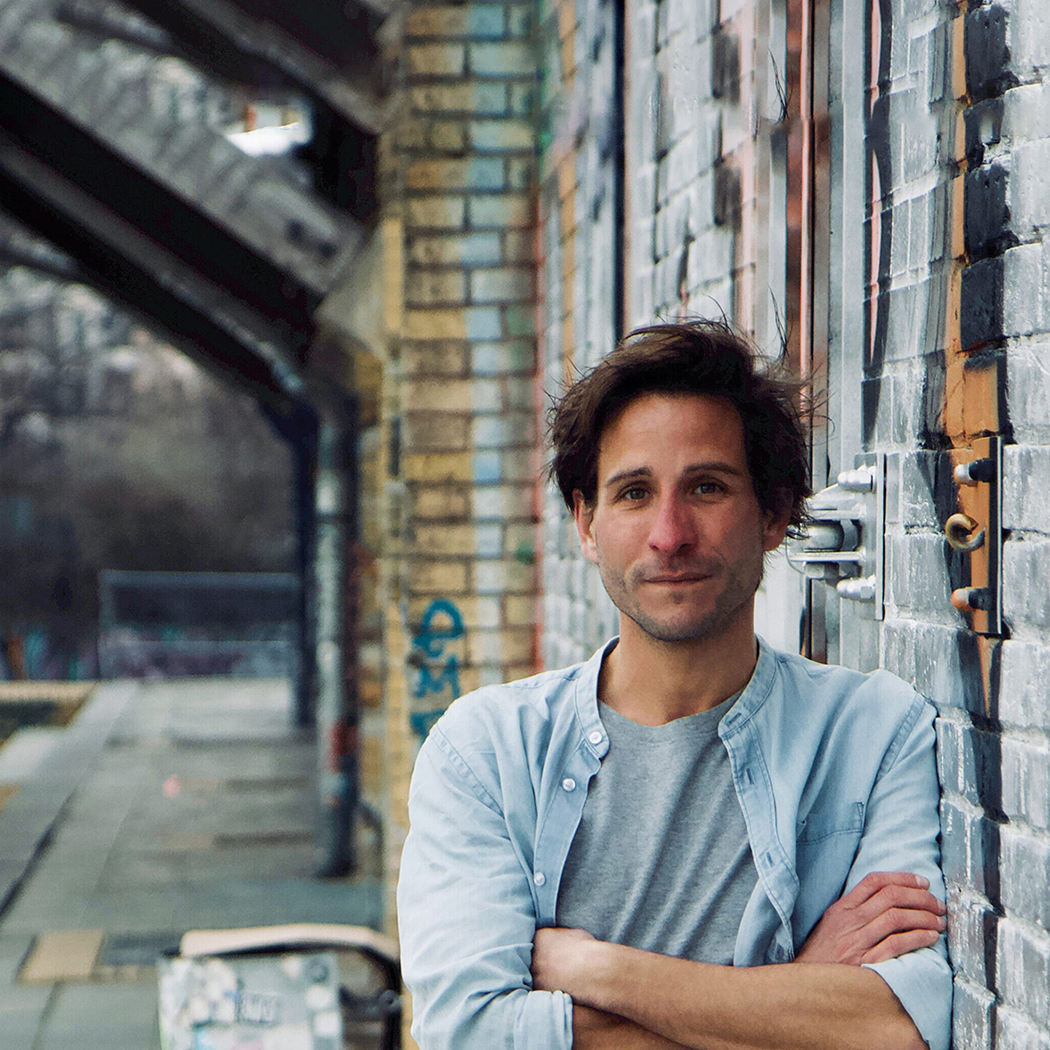
Adrian Hensen, Co-founder of the Purpose Foundation, explains how the model of steward-ownership equips businesses to deliver positive change....
September 2, 2024 ⢠by Julia Binder in Sustainability
Capitalism must be amended to include the interests of nature and society....
Industrial capitalism has undeniably lifted millions out of poverty and extended our healthy lifespans, but it’s increasingly clear that its current approach is failing both nature and society. Prosperity is poorly managed and often destructive.Â
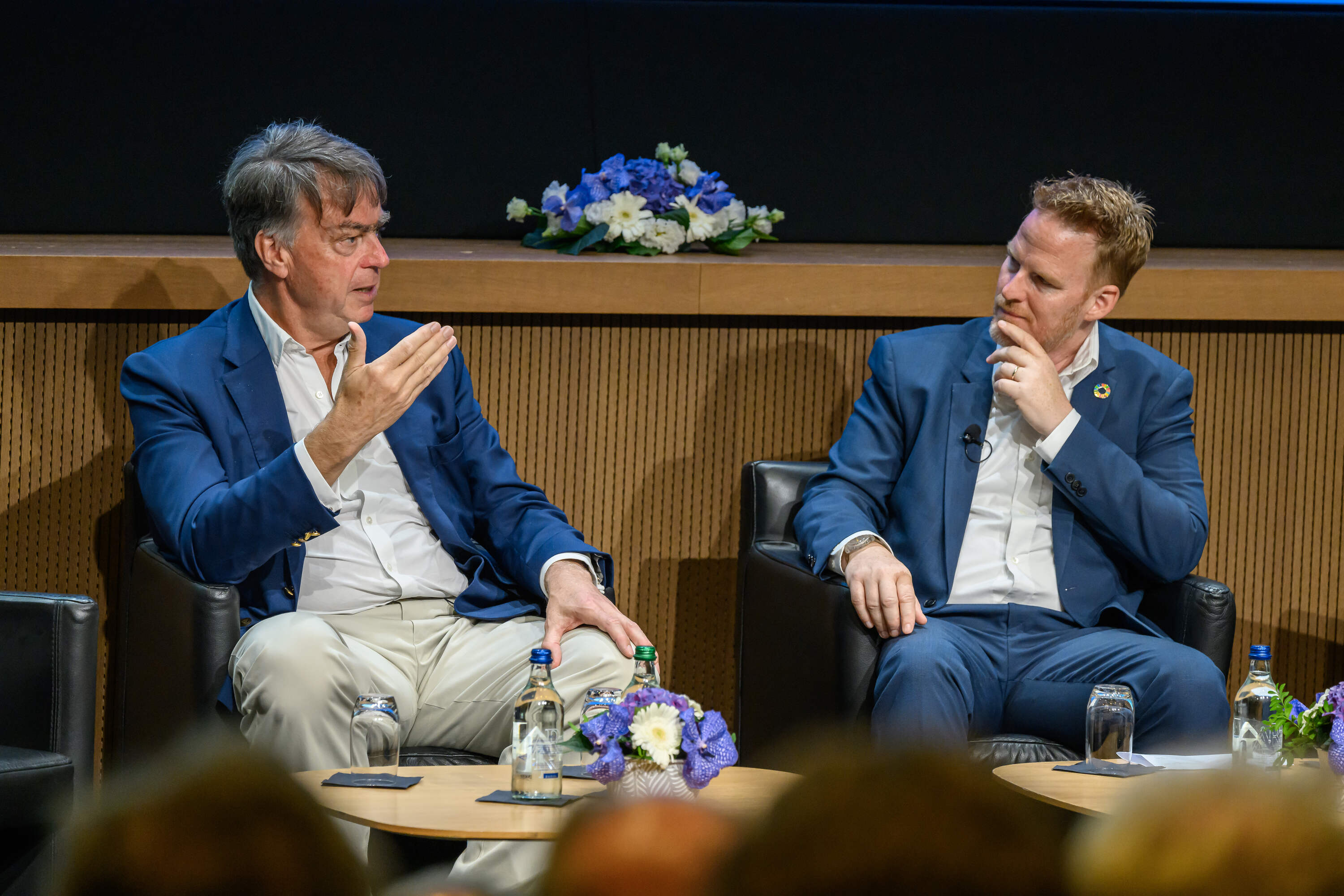
During the global launch of The New Nature of Business by AndrĂŠ Hoffmann and Peter Vanham, I moderated a panel exploring how to reinvent business models to create sustainable prosperity. Hoffmann and Vanham argue that businesses must consider their effects on “the three Cs” â social, natural, and human capital â and understand how these interact.Â
âWe donât need to throw away the capitalistic system, we need to amend it,â said Hoffmann in an opening conversation with new IMD President David Bach. Specifically, we need to move away from the prevailing model of short-term profit maximization, championed by Milton Friedman in the 1960s, where society was left to deal with the negative externalities of value creation. âThese externalities are getting too large to ignore because they are making it harder for businesses to create value.âÂ
Hoffmann highlighted Roche, his familyâs business where he serves as Vice Chairman, as an example. The Swiss drugmaker spent over 100 million Swiss francs to clean up the Rhine river in Basel, once known as Europe’s sewer. While it was costly and a hit to short-term profits, this move has paid off, as other firms now face even greater pressure and higher costs to follow suit.Â
To shift away from a focus on short-term profits, businesses need to quantify social and environmental impacts on their balance sheets, he said. âAccountants are going to save the planet,â Hoffmann said. âIf we can put nature onto the balance sheet then suddenly you realize that itâs not for free, but it does have a cost. We need to be able to talk about nature in the way that we talk about time and talent and financing. Nature matters.âÂ
The technology is not holding us back. Nature is not holding us back. Weâre holding ourselves back. Which is why the conversation triggered by this book is so important.- David Bach, President of IMD
The book includes examples of companies that have reinvented their business model as a force for good, including those in traditionally hard-to-abate sectors like cement. Swiss buildings materials giant, Holcim, for example, has embarked on a transformation to become carbon neutral and nature positive.Â
âDoing good is actually good business,â said Chief Sustainability Officer Nollaig Forrest, citing her main takeaway from the book âIf you apply that to how you run any company, figuring out where your externalities are, and figuring out how, through your own business model, you can tackle them, you can make exponential impact.âÂ
Forrest described how Holcim’s transformation was triggered by a point of crisis about its future, and driven by visionary leadership and the bold decision to set a roadmap towards net zero. Recognizing that its greatest impact lay in how it generates revenue rather than how it spends it, Holcim innovated by introducing ECOpact, a low-carbon concrete range that now represents 28% of its ready-mix sales, surpassing its 2025 target of 25%. The company also launched ECOcycle, a circular technology platform that recycles construction demolition materials into new buildings. Â
Lastly, by collaborating with external stakeholders, including local building authorities, Holcim successfully influenced building norms. Â

Itâs not just multinationals that have the power to drive change. Smaller organizations, such as startups, also have a role to play in dismantling the status quo and changing the system step by step.Â
Frederic James Gentizon, CEO of Innergia, a local, renewable-energy cooperative, challenged the notion that the average individual cares about climate change. Instead, his company has put a different lens on the issue by focusing on the threat of power shortages to help empower local communities to become independent by producing their own sources of renewable energy. âThe idea is to put people back in balance with their local resources,â he explained.Â
Hoffmann agreed that collaboration across stakeholders will be necessary. âPlanetary limits and social systems are absolutely linked. We wonât bring about a long-term change about how we consume resources if we donât address social issues,â he said.Â
All panelists agreed that regulation will be crucial in driving systems change so that businesses start to internalize social and environmental costs into the price rather than being rewarded for producing at the lowest cost regardless of the impact on nature and society.Â
Effective regulation should foster a partnership between the private sector and regulators to create value, rather than merely imposing restrictions or encouraging businesses to bypass rules, said Hoffmann.Â
âIn order to change the system,we need an economic system based on added value,â added Gentizon.Â
For those who may still be questioning whether sustainable business models can truly be profitable, Holcimâs Forrest had a heartening message. Its circular technology platform, which involves turning demolition waste into building materials, has become one of its most profitable business lines, highlighting how moving away from a âtake-make-wasteâ business model can give you a sustainable edge.Â
âIf you can make that happen at scale, you can unlock a lot of value,â she emphasized.Â
Summarizing the discussion, IMD President David Bach said an overriding theme had been the centrality of people in the new nature of business, from visionary leaders to initiatives at the local level.Â
âIn some ways that may seem like bad news, because itâs hard for people to change. But I think it is good news because people can change the system. Itâs as simple as that,â he said. âThe technology is not holding us back. Nature is not holding us back. Weâre holding ourselves back. Which is why the conversation triggered by this book is so important.âÂ

Professor of Business Transformation at IMD
Julia Katharina Binder, Professor of Business Transformation, is a renowned thought leader recognized on the 2022 Thinkers50 Radar list for her work at the intersection of sustainability and innovation. As Director of IMD’s Center for Sustainable and Inclusive Business, Binder is dedicated to leveraging IMD’s diverse expertise on sustainability topics to guide business leaders in discovering innovative solutions to contemporary challenges. At IMD, Binder serves as Program Director for Creating Value in the Circular Economy and teaches in key open programs including  Transition to Business Leadership (TBL), and Leading Sustainable Business Transformation (LSBT). She is involved in the schoolâs EMBA and MBA programs, and contributes to IMDâs custom programs, crafting transformative learning journeys for clients globally.
January 12, 2024 ⢠by Bryony Jansen van Tuyll in Sustainability ⢠11 min read
Adrian Hensen, Co-founder of the Purpose Foundation, explains how the model of steward-ownership equips businesses to deliver positive change....
January 10, 2024 ⢠by Emil Moldovan, Todd Cort, Matthew Goldberg, Jennifer Marlon, Anthony Leiserowitz in Sustainability ⢠12 min read
The responsibility to maximize profits guides how institutional investors, such as pension funds, invest on behalf of others. But that does not mean investing in climate change is off the table....
January 5, 2024 ⢠by Vanina Farber, Patrick Reichert in Sustainability ⢠9 min read
What is the impact economy and why should it matter? And how do you know if your actions are making a positive difference?...
December 28, 2023 ⢠by Natalia Olynec in Sustainability ⢠18 min read
IMD experts have identified the top sustainability trends that will drive business transformation over the next 12 months....
December 21, 2023 ⢠by Adrian Ackeret in Sustainability ⢠12 min read
Ventures that change ecosystems will pioneer the impact economy, argues Adrian Ackeret, and they require a supportive environment for innovation, entrepreneurship, and funding....
December 19, 2023 ⢠by Michael Skapinker in Sustainability ⢠7 min read
Impact investor Lisa Barclay explains how Nesta is building a virtuous circle of investment in UK startups....
December 14, 2023 ⢠by Natalia Olynec, Arturo Bris, Salvatore Cantale, Knut Haanaes, Julia Binder in Sustainability ⢠6 min read
What are the key takeaways for businesses â large and small â from COP28?...
December 8, 2023 in Sustainability ⢠6 min read ⢠Podcast available
Climate finance is the hottest topic on the table when it comes to doing something tangible about climate change. We urgently need to propagate the âhowsâ around investing in positive values....
December 5, 2023 in Sustainability ⢠5 min read
The transition to a greener future needs to happen fast. What does that have to do with gender diversity?...
December 4, 2023 ⢠by Salvatore Cantale, Andrea Cantobelli in Sustainability ⢠8 min read
The energy landscape has evolved into a complex network of choices and implications for business. What should companies consider when selecting their energy sources?...
Explore first person business intelligence from top minds curated for a global executive audience