
Is your workforce strategy skills-powered?
A skills-first approach is emerging as the future of workforce strategy. Jeff Schwartz and Mike Worthington identify the key questions to consider and explain how it’s done....

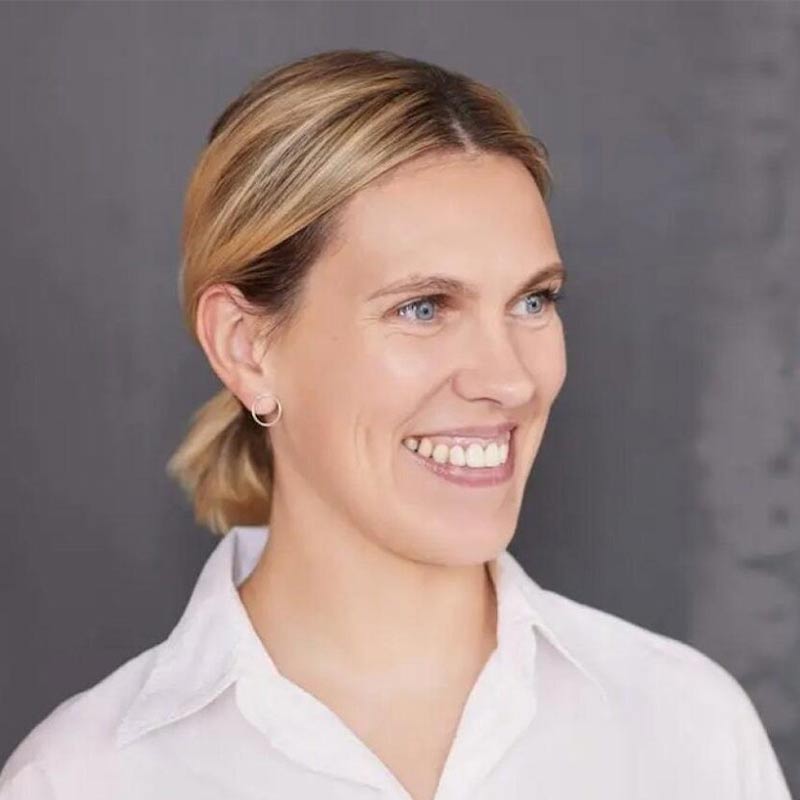
by Milda Mitkute Published March 11, 2026 in Brain Circuits • 3 min read
Some companies face a trade-off between purpose and profit, but sustainability was already part of our core business model, so we never had to come up with a “sustainability angle,” as many firms do. When purpose is part of how the business works, not just what it says, there will be less pressure to choose between doing well and doing good later.
When you launch, you can make decisions among a small group. That’s not possible as you grow and more and more people join. Try to keep sharing as much information as possible so employees understand where the company is going and feel like co-owners. Being open involves risk, but even if something goes wrong, it’s better to learn the lesson and keep building culture on trust rather than control.
I have two key rules: done is better than perfect, and speed beats perfection. That’s because you need real-time feedback on a product or service as soon as possible. If you wait too long to test an idea, you risk missing whether it works. Keep experimenting, especially when things are going well.
Women often judge themselves and hold back because they doubt their readiness for leadership. When you see yourself as less competent, you act accordingly, and others may respond in kind. So, be brave. Don’t enter the room trying to prove you belong; assume you do. Leadership begins the moment you decide to treat yourself as an equal.
The motivation I had at Vinted is the same one guiding me now: fixing problems I can see. I want children to learn maths without fear or frustration. Even if the project fails, I would rather have tried to change something than watch it stay the same. The lesson for leaders is to keep trying to fix what others accept as normal.

Co-founder of Vinted
Milda Mitkute is the co-founder of Vinted, an online platform for buying, selling, and exchanging secondhand clothes. The idea originated in 2008 when Mitkute, preparing to move from her hometown in Lithuania to Vilnius, wanted to find a new home for her excess clothes. She partnered with Justas Janauskas, who handled the technical side, and Vinted quickly gained popularity in Lithuania. By 2009, Vinted expanded to Germany and has since grown into an international company, operating in over 20 markets with more than 2,000 employees.

April 2, 2026 • by I by IMD in Brain Circuits
A skills-first approach is emerging as the future of workforce strategy. Jeff Schwartz and Mike Worthington identify the key questions to consider and explain how it’s done....

March 31, 2026 • by Dorotea Brandin in Brain Circuits
Since COVID-19, one trend has silently taken over the way we work. What used to be quick exchanges have become scheduled calls, and leaders and teams find themselves juggling double- or triple-bookings....

March 26, 2026 • by Sophie Hazi, Arturo Pasquel in Brain Circuits
Considering a career transition? Begin by identifying your unique values and strengths. Sophi Hazi and Arturo Pasquel guide you through the process....

March 24, 2026 • by Patrick Reinmoeller in Brain Circuits
Of the many biases humans are prey to – such as anchoring bias, loss-aversion bias, status quo bias, and recency bias – confirmation bias can be most evident in the boardroom. But...
Explore first person business intelligence from top minds curated for a global executive audience