Sustainability is dead – true or false?
Myths abound when it comes to corporate sustainability. Can you tell fact from fiction? Test your knowledge on the common misconceptions here....

by Tania Lennon Published February 27, 2024 in Brain Circuits • 2 min read
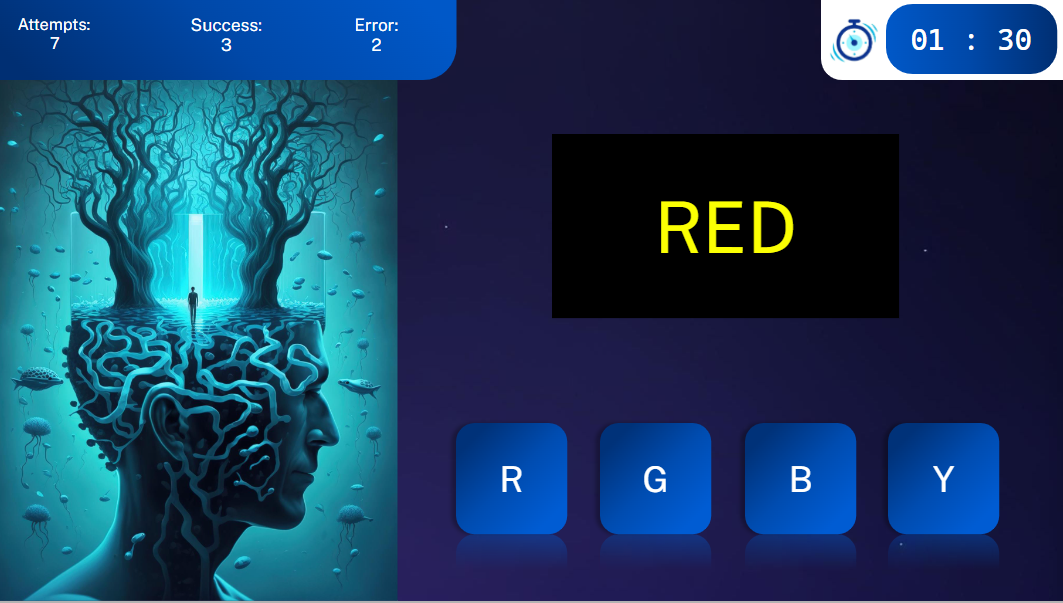
Click here to play the Color Code game.
Focus on the color, not the word, to get the answer right.

Did you crack the Color Code? This game measures a key leadership skill for today’s rapidly changing environment – cognitive flexibility. Cognitive flexibility is the ability to switch one’s attention between different processing modes.
Our two processing modes were described by Daniel Kahneman (2011) as System 1 and System 2. System 1 specializes in automatic or unconscious thinking, where your brain interprets and makes judgments with little cognitive effort. By contrast, System 2 is effortful, controlled, and slower.
Leaders must be able to quickly perceive and respond to dynamic conditions using both System 1 and System 2, as required. Cognitive flexibility counteracts potential biases in decision-making that can result from letting System 1’s unconscious thinking go. t helps leaders to be able to switch between the varying demands as they move between checking a board presentation for accuracy to shaping a five-year strategy. Cognitive flexibility predicts leader performance, above and beyond fluid intelligence.
What you may have experienced in the Color Code game is a drain on your cognitive resources when you need to switch between System 1 and System 2. English speakers are likely to read the word unconsciously, care of System 1. To succeed in the task, you need to overcome this automatic response and engage System 2. Cognitive flexibility allows us to engage the more effortful response, System 2, to get the right answer.

To enhance your cognitive flexibility, research suggests three main paths:

Executive Director of the Strategic Talent Development initiative
Tania Lennon leads the Strategic Talent team for IMD. She is an expert on future-ready talent development, including innovative assessment methods to maximize the impact of talent development on individual and organizational performance. Lennon is a “pracademic”, blending a strong research orientation with evidence-based practice in talent development and assessment.

January 23, 2026 • by Julia Binder in Brain Circuits
Myths abound when it comes to corporate sustainability. Can you tell fact from fiction? Test your knowledge on the common misconceptions here....

January 21, 2026 • by Sophie Bacq in Brain Circuits
Brain Circuits Five key insights from necessity entrepreneurs by Sophie Bacq Published January 16, 2026 in Brain Circuits DownloadSave We tend to associate entrepreneurship with Silicon Valley startups and innovative tech companies. However,...

January 20, 2026 • by Alfredo De Massis in Brain Circuits
As in any conflict resolution, tackling problems in family firms begins by identifying where the problem originates and its precise nature. Go through the questions below to analyze where things are going...

January 15, 2026 • by Bülent Gögdün in Brain Circuits
Answer the questions below to check whether your organization is in danger of overlooking happiness when it comes to leadership resilience and team performance, and check out the four dimensions of workplace...
Explore first person business intelligence from top minds curated for a global executive audience