
LEGO built too much complexity: This is how we got back on track
Niels B. Christiansen tells Jean-François Manzoni how he streamlined the leadership and targeted adult customers to re-energize the toy giant. ...
Stephane Garelli and Arturo Bris explore how global competitiveness is evolving, with nations redefining success amid changing rules and global shifts....

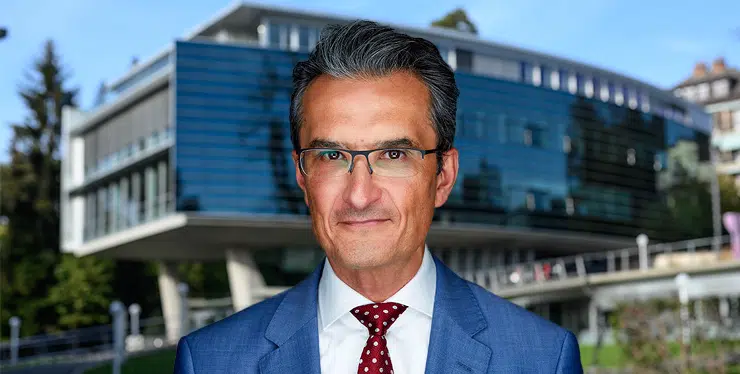
Slawomir Krupa, CEO of Societe Generale, tells Jean-François Manzoni how restoring financial discipline and protecting the bank’s capacity to innovate under pressure helped restore faith in one of Europe’s oldest institutions...
Ester Baiget, CEO of Novonesis, discusses how the Danish biosolutions powerhouse leverages modern technology and its 'library of strengths' to transform food production and washing operations....
Morten Wierod, President and CEO of ABB tells Jean-François Manzoni how a leaner-and-cleaner mission, decentralized discipline, and a culture of speed are driving its transformation for the road ahead....
Rohit Jawa, CEO of Hindustan Unilever, outlines how he is reshaping the company’s strategy to meet the evolving needs of India’s growing middle class, leveraging digital transformation, talent development, and a future-focused...
Mars CEO Poul Weihrauch shares how family ownership enables long-term thinking, purpose-driven leadership, and sustainable growth across generations....
Loh Chin Hua, CEO of Keppel, tells Jean-François Manzoni how bold restructuring, strategic discipline, and a long-term vision transformed an industrial conglomerate into a global asset manager...
 YouTube
Explore first person business intelligence from top minds curated for a global executive audience
 Share
Share