Share
Facebook Facebook icon Twitter Twitter icon LinkedIn LinkedIn icon Email
Economic-success-and-sustainability-Featured

Sustainability

Economic success and sustainability: Two sides of the same coin

Published March 25, 2026 in Sustainability • 6 min read

Why boards must reframe sustainability as a mechanism for long-term survival.

Rapid read:

  • Sustainability is a strategic resilience imperative, not a moral stance; boards that say yes too freely or avoid it entirely risk long‑term competitiveness and survival.
  • Boards must focus on resilience investments, using scenario planning and long‑term value analysis to secure future supply, strengthen the business model, and align sustainability with core value creation.
  • Endress + Hauser shows the payoff of long‑term thinking, demonstrating how aligned governance, forward‑looking investments, and a culture built for continuity can create sustained competitive advantage.

Modern boards often mismanage sustainability, either by advocating for it too passionately without strategic grounding or by dismissing it as a passing trend. Both behaviors can jeopardize the long-term success of the business.

The truth is that sustainability and economic success are mutually dependent. If organizations fail to integrate sustainability into their core value proposition today, they risk compromising their long-term survival.

Boards typically fall into two equally harmful camps:

  • The advocate – fervently committed to sustainable practices, sometimes at the expense of broader organizational priorities.
  • The apathetic – avoids the sustainability conversation altogether, hoping shifting political winds will make the issue disappear.

Both behaviors place longevity at risk – one through misallocated resources, the other through strategic blindness.

A more productive path is for boards to adopt a fiduciary, future‑oriented lens: sustainability is not a moral obligation but a long‑term survival mechanism.The three types of sustainability investments and where boards matter most are:

  1. Mandatory compliance, which requires no board debate.
  2. Holistic investments, which explore whether sustainability can become a competitive advantage.
  3. Resilience investments, where the board plays a vital strategic role in ensuring long-term viability.

Resilience investing requires difficult decisions. Take cocoa as an example. If yields go down – a likely consequence of climate change – and farmers who are already struggling financially abandon cocoa as a crop, prices rise and the market shrinks. Boards must decide whether to invest upstream – at even higher cost – to secure long-term supply and stabilize the business. This is not about ‘doing good’ but ensuring the survival of a firm over the long-term.

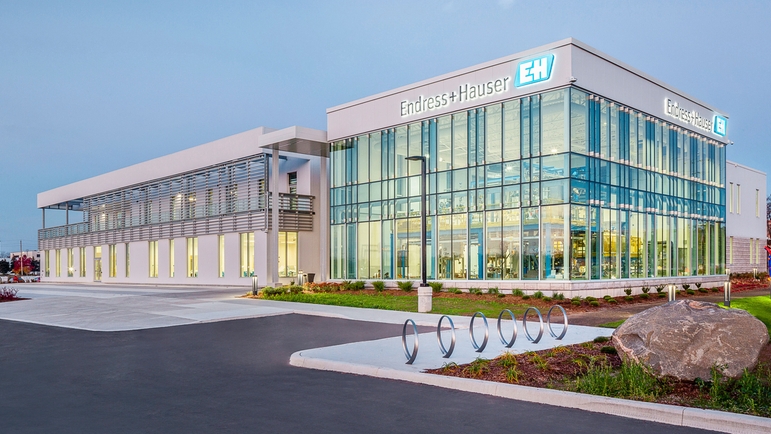
The new Customer Experience Center at Endress+Hauser in Burlington, Canada (Ontario) is one of the “greenest” structures in the country.
The new Customer Experience Center at Endress+Hauser in Burlington, Canada (Ontario) is one of the “greenest” structures in the country

Lessons from Endress+Hauser

One organization that does this brilliantly is the Endress+Hauser Ltd., a Swiss-based global process control and process instruments business.

Following the financial crisis, the company undertook scenario planning to identify long-term growth trends and markets worthy of investment. The planning led them to the pharmaceutical biotechnology sector. Years of investment followed. When COVID-19 hit, the company’s foresight paid off. “We had the products – and the supply chain – to keep manufacturing alive,” explained Matthias Altendorf, Endress+Hauser’s President and Chairman of the Supervisory Board, on the I by IMD podcast.

The company’s bioscience products were integral to vaccine manufacturing, giving it a dominant presence at a critical moment.

Endress+Hauser’s long-term orientation extends to its physical infrastructure. In 2022, it invested €20m in an energy-autonomous, CO2-neutral customer experience and training center in Canada, spending roughly 10% more than typical construction and energy methods. Among other things, customers can use the facility to familiarize themselves with Endress+Hauser process technology and simulate the process conditions of their own plants. It also serves as a signal of how innovation and sustainability work hand in hand.

“As an independent family-owned business, we strive for longevity, and this requires a few things,” said Altendorf. “One is that you build and maintain a culture that is resistant to crisis. This means you do not have to pivot, but if you do, your teams, values, and purpose remain intact. The second element is that a family thinks in generations, so our long-term perspective is more than just a quarter. This is also the nature of our business. Breakthrough innovations in our industry come every 10 years. You need three product life cycles to remain global market leaders, and when you think in those cycles, you have to think long-term.”

Referencing the philosophy of Andy Grove, the former CEO of Intel, who said only the paranoid survive, Altendorf notes that boards must constantly scan for emerging risks and opportunities.

“It’s a mixture of long-term thinking, but continuously trying to improve what you are doing, and at the same time monitoring a little bit of paranoia about what could be a threat to your business,” he said.


Endress+Hauser demonstrates how aligning ownership, executive teams, and boards around long‑term thinking creates sustained competitive advantage.

Selecting the right board members and keeping them on board

The board, executive team, and ownership must all be aligned in this way of thinking.

“You must find the right people who are aligned with this long-term thinking without losing sight of operational excellence and trying to make the numbers. It’s not just the product, it’s not just the car, it’s not just the solar, it’s the overall holistic view of the company that you want to become better in what you are doing, and if you remain competitive, it’s long-term competitive advantage that we strive for.”

Endress+Hauser demonstrates how aligning ownership, executive teams, and boards around long‑term thinking creates sustained competitive advantage.

Above all, boards must avoid falling into the traps outlined at the start: overzealous advocacy without strategic discipline, or apathetic disengagement disguised as pragmatism.

What boards must do next

While the political noise around sustainability may tempt many modern boards to stay quiet and do the minimum, simply meeting compliance regulations, this is a mistake. Boards need to invest more time into sustainability, question its value and return, but ensure that in doing so, it invests in the right projects that make a difference to the bottom line.

Board members must:

  1. Reframe sustainability as a mechanism for resilience, rather than a moral obligation.
  2. Ensure sustainability initiatives sit within an overall value proposition and align with other business goals.
  3. Use scenario planning to stress test your organization against future crises and highlight new markets that enable long-term sustainability.
  4. Prioritize culture above growth, ensuring organizational values remain intact during uncertainty without being compromised.
  5. Remember that financial capital is just one metric, and that short-term expense may be outweighed by long-term value creation, market share gains, and corporate longevity.

Above all, boards must avoid falling into the traps outlined at the start: overzealous advocacy without strategic discipline, or apathetic disengagement disguised as pragmatism. The path to longevity lies in a balanced, rigorous approach to sustainability as a driver of economic success.

Authors

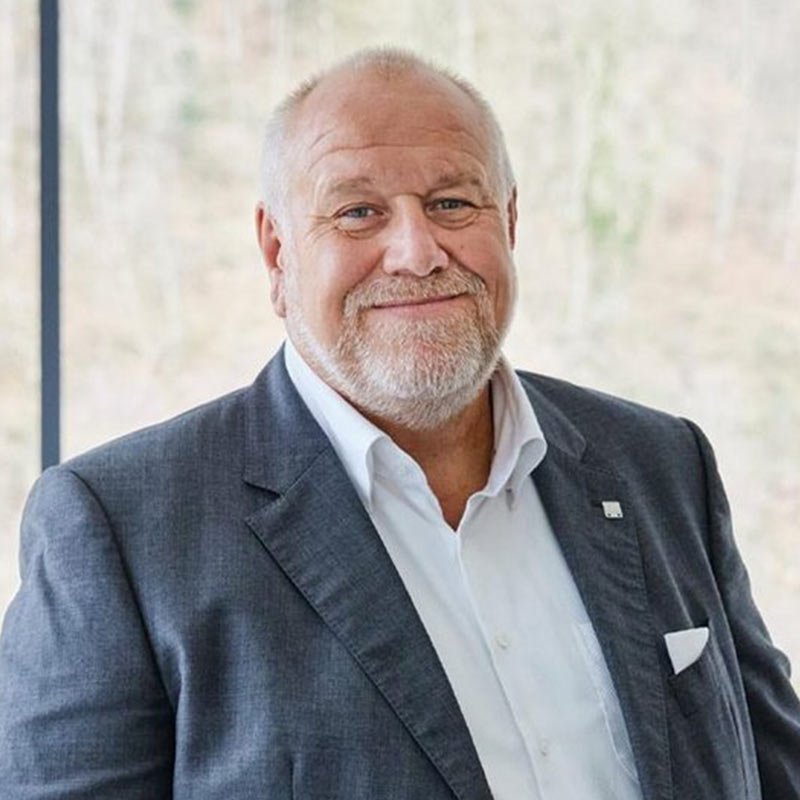
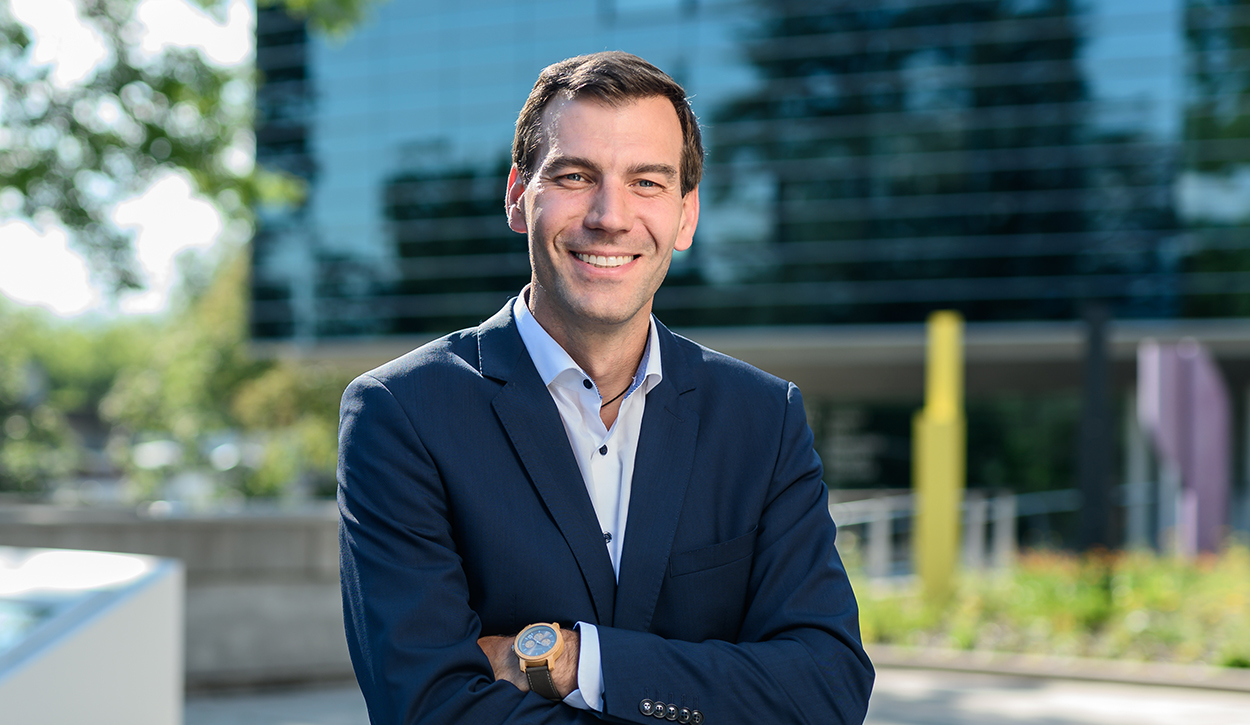
Matthias Altendorf

Matthias Altendorf

President and Chairman of the Supervisory Board, Endress+Hauser

Matthias Altendorf is President and Chairman of the Supervisory Board at Endress+Hauser, leading the global family business in measurement and automation technology with a focus on innovation, sustainability, and long-term strategic growth.

Related

X

Log in or register to enjoy the full experience

Explore first person business intelligence from top minds curated for a global executive audience