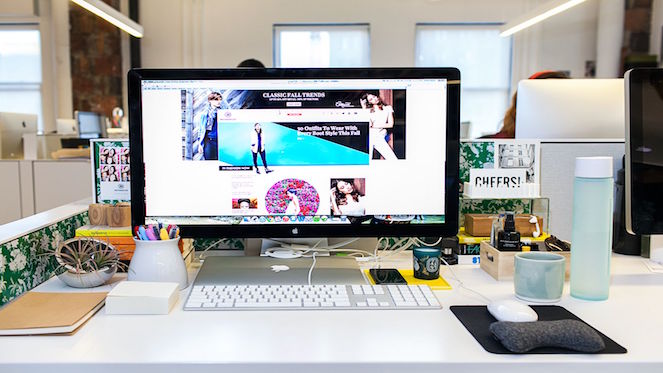
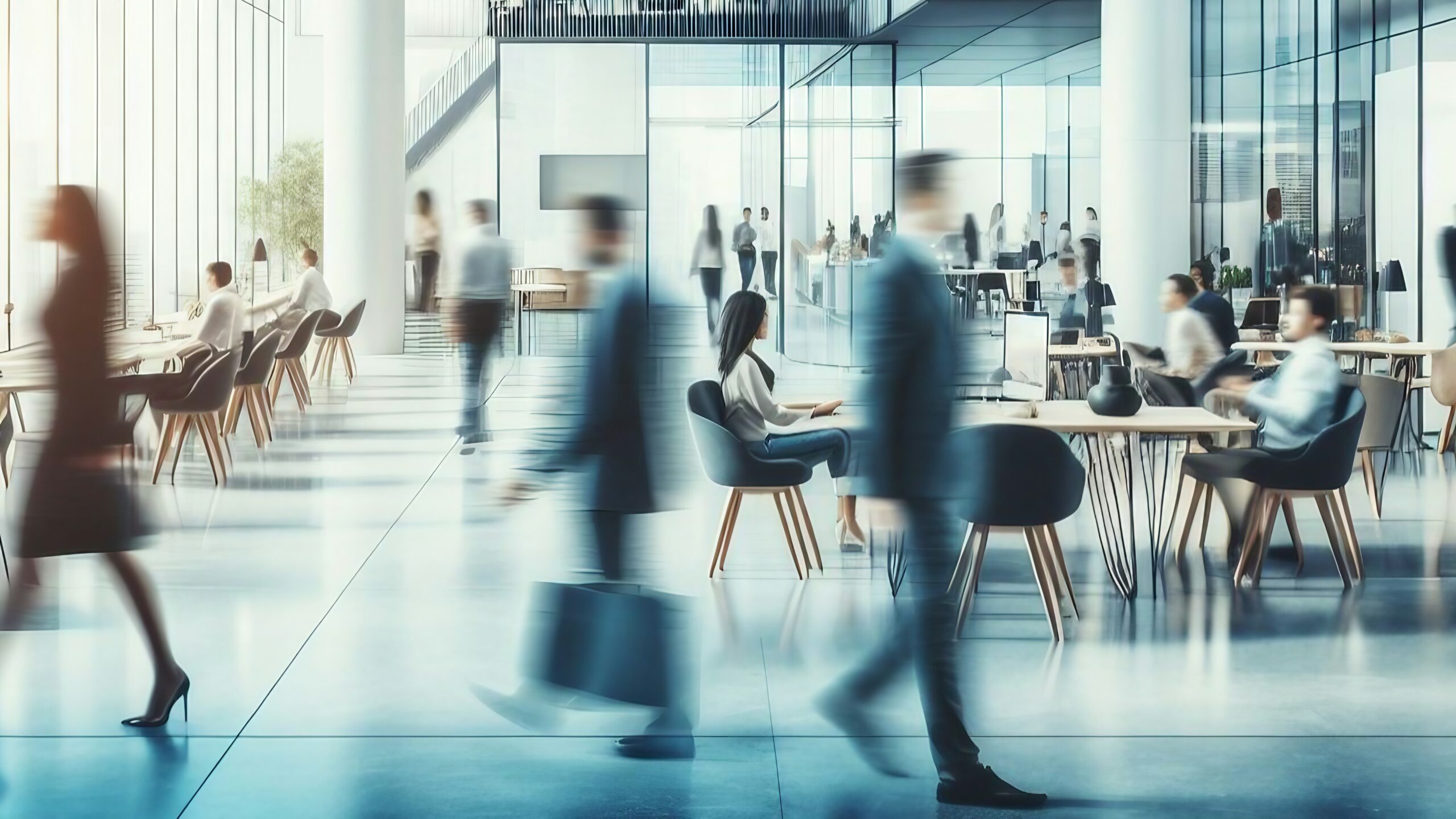
Remote working is here to stay. Walk down any main street today, and you’ll see someone in a café, bar or bookstore leading a meeting, sharing a presentation, or drafting a report. Stop by a neighbor’s home, and the chances are they’ll have a work computer linked up anywhere from the bedroom to the kitchen to the living room sofa. The flexibility gains, diminished travel costs and greater autonomy over how, when and where we work are obvious.
But this shift to work on the go – in the coffee shop, the home, the metro, in transit – and being “always on” posits something else. In 2023, we live very much in our heads. As employees have retreated en masse from their organization’s office environment, work has moved into our minds; the needs and demands of what we do have become increasingly fixated on and limited to our cognitive systems and processes, all of it enabled by technology. Good news for work-life balance, perhaps. But what about mind-body?
The notion that our minds and bodies might be somehow distinct dates way back to Descartes’ theory of dualism. The fact is, however, our minds are as much connected to physical makeup as any other organ. Our brains, our minds, our cognitive sense of self, it all lives within our bodies, enmeshed within and working alongside our senses, our central nervous system, and our physiological functions and mechanisms. How we think is inexorably tied to how we feel, see, touch, smell, sense, interpret and engage with the physical world around us, and those in it.
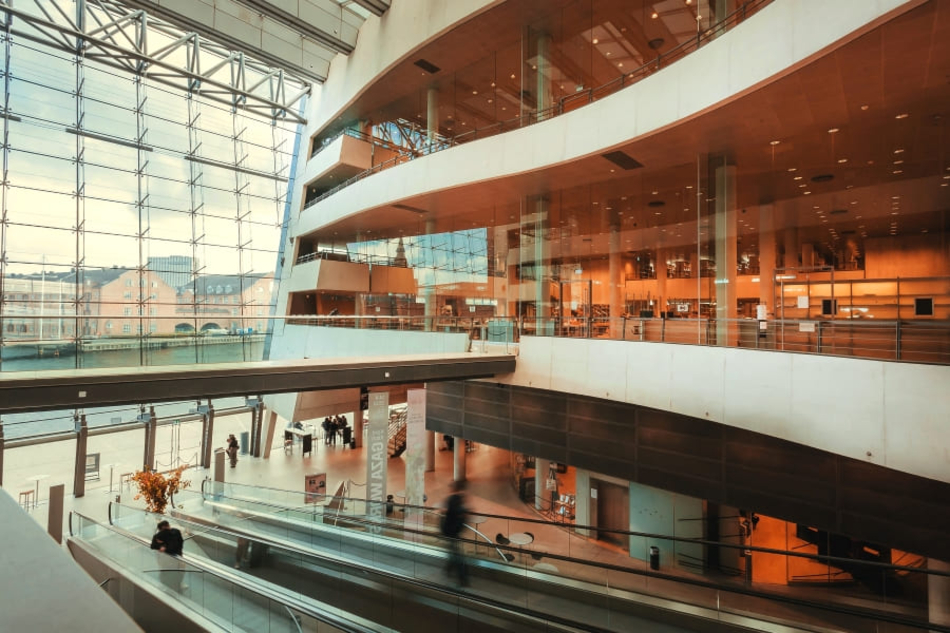
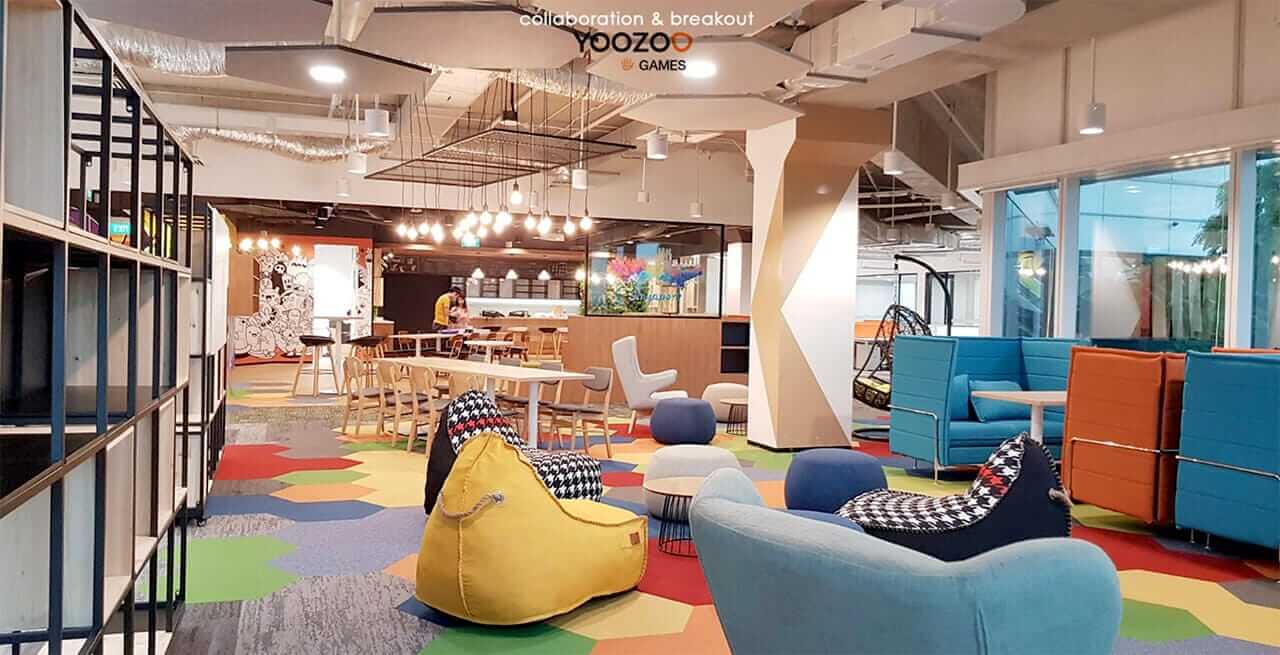
So how does this relate to work, and to flexible working in particular? My research with Brianna Caza and Blake Ashforth explores this important and too often neglected link between our physical environments, in particular, the physical landscape of our varied workplace and our sense of self as human beings and as workers.
Spaces that shape us
Imagine exploring your childhood home, revisiting your primary school or university, or maybe walking through your very first workplace. These important places housed self-defining experiences, relationships, and memories that shaped the trajectory of who you are today. When revisiting these physical places, you may find that the physical context – the design and architecture, smells, light, music, the energy or ‘vibe’ – together trigger different emotions, thoughts, mindsets and behaviors – even different selves.