
Why women’s leadership matters in the age of AI
AI may become one of the most significant leadership opportunities for women in decades. Its impact will depend on how capability, governance, and leadership are built around it....

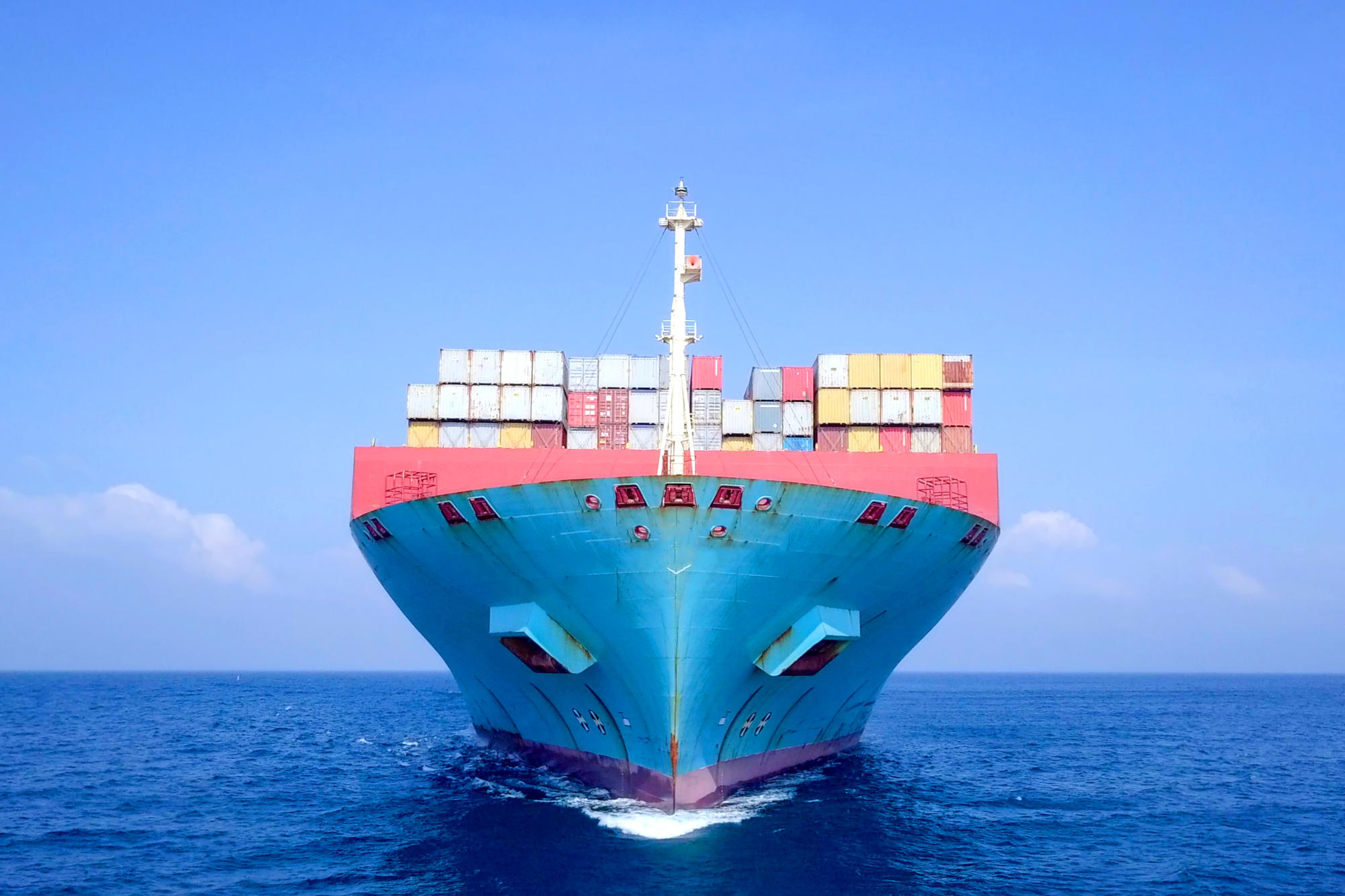
“Maersk Line embarked on radical change by breaking up the company’s conglomerate structure to ensure maximum agility and the ability to adjust rapidly to the expected changes in its competitive landscape.”


AI may become one of the most significant leadership opportunities for women in decades. Its impact will depend on how capability, governance, and leadership are built around it....

Societe Generale CEO Slawomir Krupa on turnaround decisions, fintech pressure, and why long-term discipline beats short-term noise....

CFO Raphael Savalle explores how finance leaders can unite sustainability, AI, and human leadership to drive strategy in a fast-changing world....

The value of data lies in combining and analyzing a proprietary strategic core with models that predict outcomes and prescribe responses, argues Misiek Piskorski....
Explore first person business intelligence from top minds curated for a global executive audience