Uncooperative or uncowed?
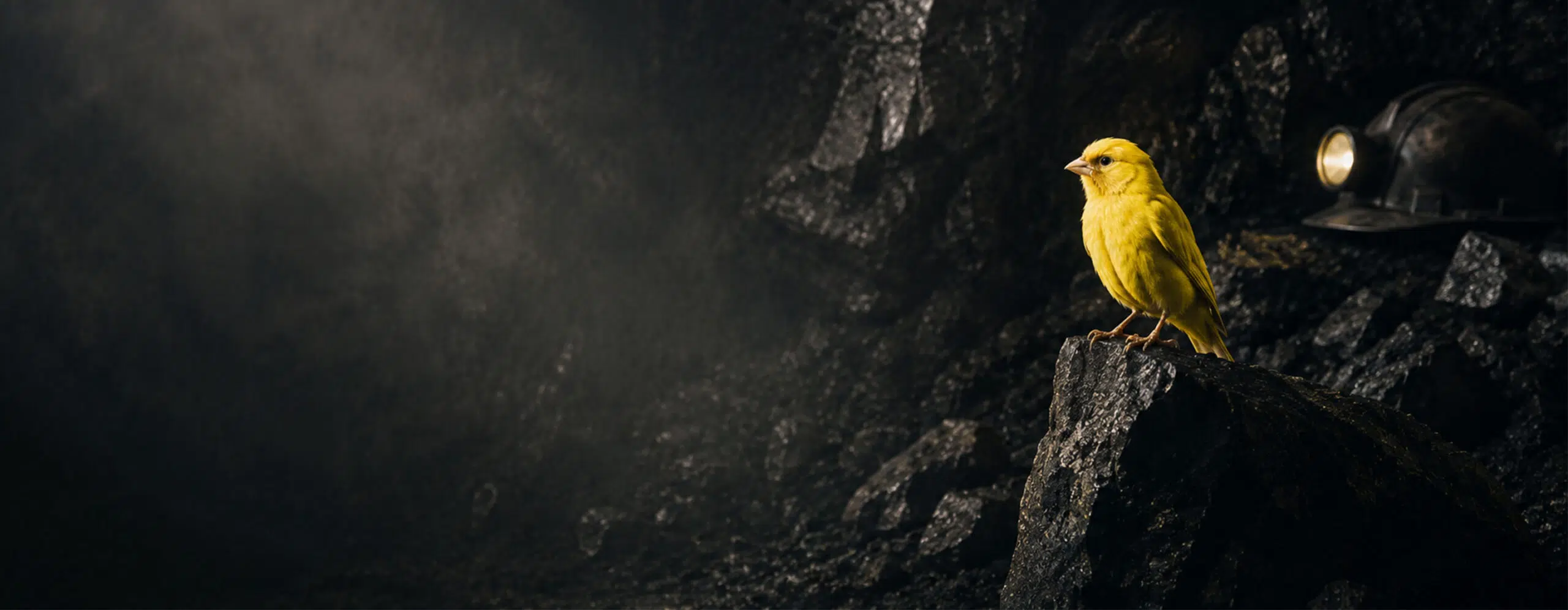
In many organizations, the “difficult” employee is rarely an isolated personnel issue. More often, they are the “canary in the coal mine” signaling workplace toxicity – and when an otherwise capable professional begins fighting the system, trying to “solve” the employee is the worst thing a leader can do. Try the following steps instead:
- Understand the source of dissent
When a team member resists a new strategy or openly challenges corporate messaging, the critical question is not, “Why are they being difficult?” but, “Which version of reality are they operating from?” The executive team navigates by an official story of strategic intent, market positioning, and core values. Meanwhile, frontline staff likely operate in the reality of legacy systems, resource constraints, and conflicting KPIs. When these two worlds diverge, the employee who refuses to participate in the collective illusion – the one who calls out the gap – is almost always categorized as difficult or even a ‘bad apple’. In truth, they are often the only one acting with honesty in a system characterized by a stark disconnect.
- Use behavioral friction as a diagnostic map
Vocal dissenters are an incredibly valuable, underutilized asset to leadership. They provide an unvarnished map of exactly where your strategy is failing to survive contact with the reality on the ground. To unlock this value, stop judging the individual and start diagnosing the system, starting with: “What operational contradiction is this person’s behavior exposing?” Are they defending product integrity against unfeasible launch deadlines, for example? Silencing the individual leaves the contradiction intact, waiting to derail execution.
- Move from containment to reconciliation
Using compliance tools to suppress feedback drives workplace conversations underground and fuels systemic toxicity. Instead of trying to contain the canary, look to reconcile conflicting realities. If resistance is rooted in a genuine operational bottleneck, the solution is better design, not firmer discipline.