Leaders Unplugged

How fast can you change a global giant?

21 minutes ago • by David Bach in Leaders Unplugged

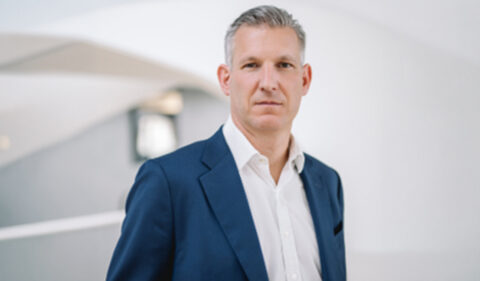
Nestlé CEO Philipp Navratil on selling to AI shoppers, working with chocolate rivals and how fast a global company can change....

Nestlé CEO Philipp Navratil explains how he plans to restore growth without overwhelming the 271,000 employees responsible for delivering it.

Rapid read

  • The pace of transformation matters as much as its ambition. Leaders must establish clear priorities while understanding how much change their organizations can absorb without compromising performance.
  • Leadership requires conviction without assuming you have all the answers. Decisive execution must be balanced with openness to criticism and ideas from across the organization, particularly during periods of disruption.
  • Preparing for the future cannot come at the expense of performing today. Changing attitudes toward nutrition and AI’s impact on brand building require Nestlé to rethink how it serves consumers.
You can only execute brilliantly if you know against what you need to execute.
- Philipp Navratil (CEO, Nestlé)

Philipp Navratil had barely settled into his new role as CEO of Nestlé when he faced his first major announcement to investors. After more than two decades at the company, he knew the business well, but his appointment had come sooner than expected. Now, he had to demonstrate how he intended to restore growth and rebuild confidence in one of the world’s largest food and beverage companies.

The pressure to act was considerable. New CEOs need time to assess the organization and decide what needs to change, yet investors and markets expect early evidence of decisive leadership. Navratil responded by sharpening Nestlé’s focus around four strategic businesses and increasing its cost-savings target to CHF 3bn by the end of 2027.

But the harder judgment was how quickly to move. Even the right decisions can become difficult to execute if an organization that employs 271,000 people worldwide and sells its products in 185 countries is asked to change faster than its people can manage.

“How much can you push and how much do you have to be mindful of actually people driving and executing against the change?” he asked during a conversation for Leaders Unplugged. “Because otherwise, you overwhelm and you distract.”

Finding focus in a complex organization

His decision to focus the world’s largest food and beverage company by revenue on coffee, pet care, nutrition, and food and snacks reflects that thinking, alongside a renewed emphasis on consumers, innovation, and brand building. Navratil described the importance of people knowing what they need to do when they get up in the morning, wherever they work in the world.

“I’m a big fan of execution, of brilliant execution,” he said. “And you can only execute brilliantly if you know against what you need to execute.”

Setting priorities is one thing, but for Navratil, focus does not mean pushing decisions down from the top. Transforming a company of Nestlé’s scale requires information to travel in the opposite direction, too.

He has tried to maintain that openness and encourages others to challenge his view through what he calls a virtual open door, inviting employees from across Nestlé to contact him directly. As CEO, he explicitly asks for feedback to ensure people keep telling him when they think he is wrong. Some messages come from people working on factory floors, often beginning with the words, “If I were the CEO of Nestlé, I would…”

Navratil welcomes their suggestions and makes a point of replying personally. “I don’t have all the answers because I’m the CEO of Nestlé,” he said. “I actually need the support of a lot of people to make the best decisions possible for the company.” That is why Navratil tries to respond to all such messages himself, ideally by the end of the day.

consumer uses a digital assistant to compare and select between Nespresso coffee products, illustrating how AI could reshape consumer choice and the way brands influence purchasing decisions
Navratil is particularly interested in what happens when consumers begin relying on AI agents to discover products and make purchasing decisions

Fix today’s business while preparing for constant disruption

Nestlé has navigated wars, economic crises, and repeated shifts in international trade in its 160-year history, yet it faces a growing number of external shocks. The pandemic, geopolitical conflicts, natural disasters, and trade restrictions have created successive challenges, often before businesses have fully adjusted to the previous one.

“The change was always there,” Navratil said. “The cadence of the events is just getting faster.”

That faster pace complicates Nestlé’s own transformation. “You have to be mindful of all of what you do internally, plus whatever happens externally and what the team is doing actually to adapt the company,” he said.

Transforming for what comes next

The challenge isn’t simply to execute today’s turnaround. Nestlé simultaneously has to prepare for fundamental changes in what consumers buy and how they buy it.

Economic uncertainty is already changing consumers’ purchasing habits, making affordability and value more important, while longer-term shifts in attitudes toward health, nutrition, and convenience are creating new expectations of food companies.

Navratil’s experience leading Nestlé’s coffee business, including brands such as Nescafé and Nespresso, has given him a close understanding of how consumer preferences evolve. Today, one of the more significant shifts he sees is in how people think about the relationship between food and health.

“We don’t sell calories. We sell nutrition,” he said, pointing to opportunities to develop products with more protein, fiber, and other nutrients. But healthier products, he stressed, still need to taste good enough for people to buy them again.

The emergence of AI creates another challenge. Navratil is particularly interested in what happens when consumers begin relying on AI agents to discover products and make purchasing decisions. Such agents may be less susceptible to the emotional associations that brands have spent decades cultivating. Would an AI agent, for example, be impressed by George Clooney’s endorsement of Nespresso? Navratil isn’t convinced.

“How do you actually build brands in an AI world?” he asked.

The challenge is not simply deciding what needs to change, but ensuring that the organization can deliver it.
- Philipp Navratil (CEO, Nestlé)

Leaving the company better than he found it

Navratil is reluctant to talk about his legacy so early in his tenure. For now, his attention is on returning Nestlé to consistent growth, strengthening the company’s ability to innovate, and developing the people who will shape its future. As in the other roles he has held, his ambition is to leave the organization in better shape than he found it.

He describes this as a day-by-day, step-by-step process. It is a relatively modest way of talking about the transformation of one of the world’s largest food and beverage companies, particularly when expectations of CEOs are anything but modest. Yet the pressure to move quickly is unlikely to diminish. A global giant can change quickly, Navratil suggests, but not by changing everything at once. The challenge is not simply deciding what needs to change but ensuring that the organization can deliver it.

Listen to the full podcast episode to learn more from Philipp Navratil on how he maintains openness and gets honest feedback as a CEO and the skills he believes will be critical in the future.

Expert

Philipp Navratil

Chief Executive Officer, Nestlé

Philipp Navratil is Chief Executive Officer of Nestlé. He joined the company in 2001 and has held senior leadership roles across Latin America and Switzerland, including leading Nestlé’s global coffee business and serving as CEO of Nespresso. He holds an MBA from the University of St. Gallen.

Authors

David Bach

David Bach

President of IMD and Nestlé Professor of Strategy and Political Economy

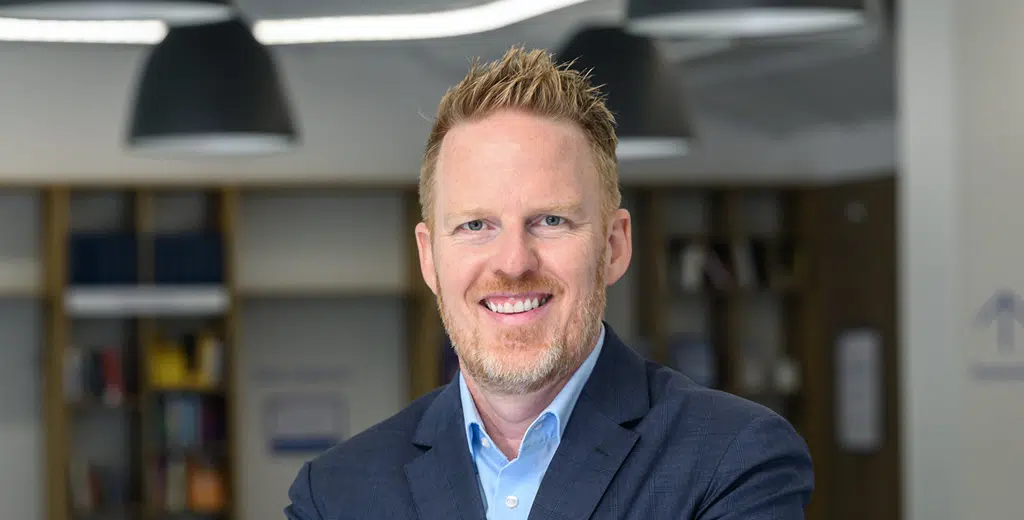
David Bach is President of IMD and Nestlé Professor of Strategy and Political Economy. He assumed the Presidency of IMD on 1 September 2024. He is working to broaden and deepen IMD’s global impact through learning innovation, excellence in degree- and executive programs, and applied thought leadership. Recognized globally as an innovator in management education, Bach previously served as IMD’s Dean of Innovation and Programs.

Listen to our new series

Learn Brain Circuits

Join us for daily exercises focusing on issues from team building to developing an actionable sustainability plan to personal development. Go on - they only take five minutes.
 
Read more 

Explore Leadership

What makes a great leader? Do you need charisma? How do you inspire your team? Our experts offer actionable insights through first-person narratives, behind-the-scenes interviews and The Help Desk.
 
Read more

Join Membership

Log in here to join in the conversation with the I by IMD community. Your subscription grants you access to the quarterly magazine plus daily articles, videos, podcasts and learning exercises.
 
Sign up

Log in or register to enjoy the full experience

Explore first person business intelligence from top minds curated for a global executive audience