William Fischer
William A Fischer is Professor Emeritus of Innovation Management. He co-founded and co-directs the IMD program on Driving Strategic Innovation in cooperation with the Sloan School of Management at MIT, and authors a regular column for Forbes entitled The Ideas Business.
An engineer by training, American by citizenship, Fischer has lived much of his life in Asia and Europe. He held a full professorship and endowed chair on the faculty of the University of North Carolina at Chapel Hill (1976-1998), first moved to China in 1980, and later became President of the China Europe International Business School (CEIBS) in Shanghai (1997-1999). In 1999, he was awarded the Magnolia Silver Award, Shanghai’s highest award for foreigners contributing to the city’s development.
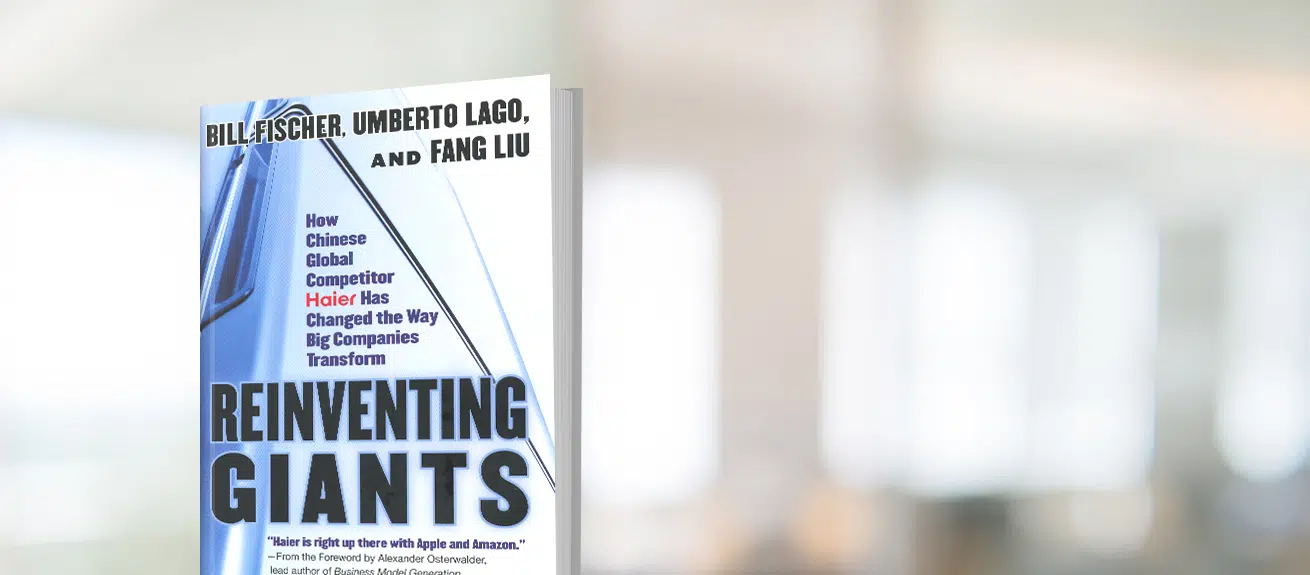
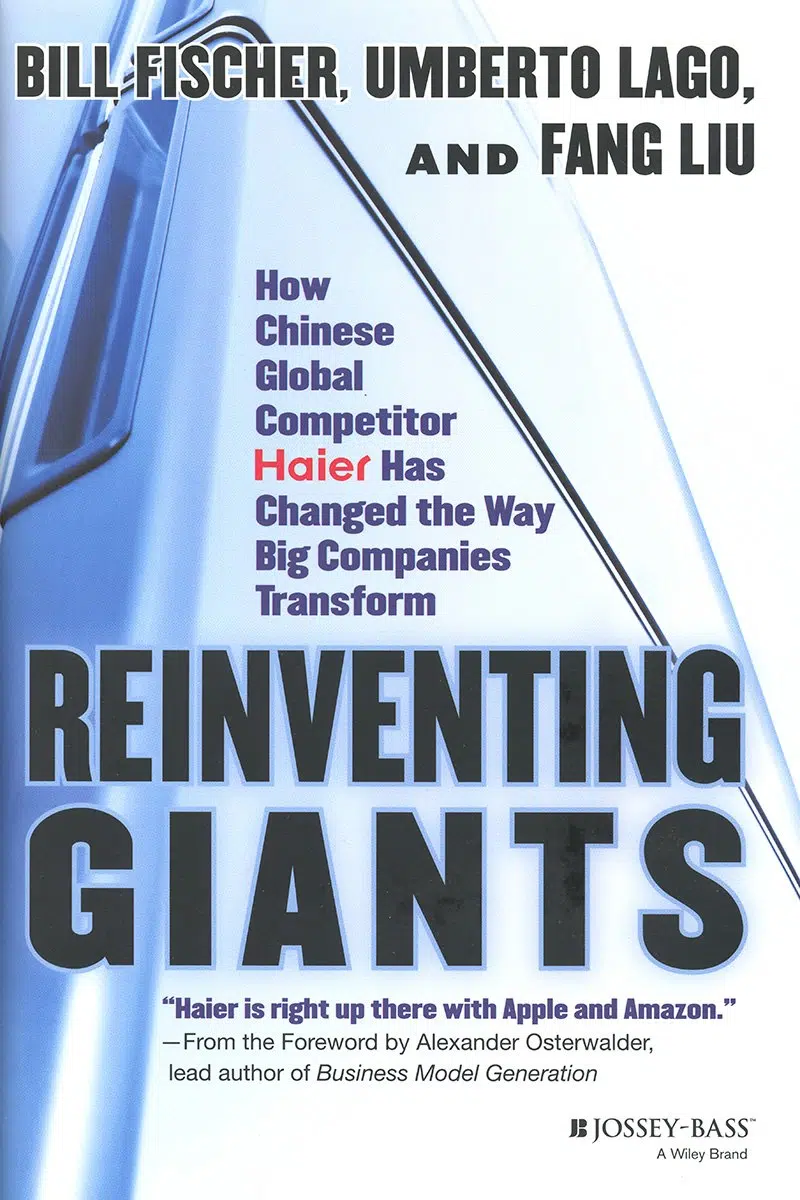
He first joined IMD in 1990 and was part of the team that developed the Managerial Deep Dive process for improved innovation conversations. His most recent books include Reinventing Giants: How Chinese Global Competitor Haier has Changed the Way that Big Companies Transform (with Umberto Lago & Fang Liu), and, with Andy Boynton, The Idea Hunter: How to Find the Best Ideas and Make them Happen (2011), and Virtuoso Teams (2005). All of these books address issues of innovation, talent development, and expression in a variety of organizational settings.
He was inducted into the Thinkers50 Hall of Fame in 2019.