Lausanne knocked on my door, ready for a good time
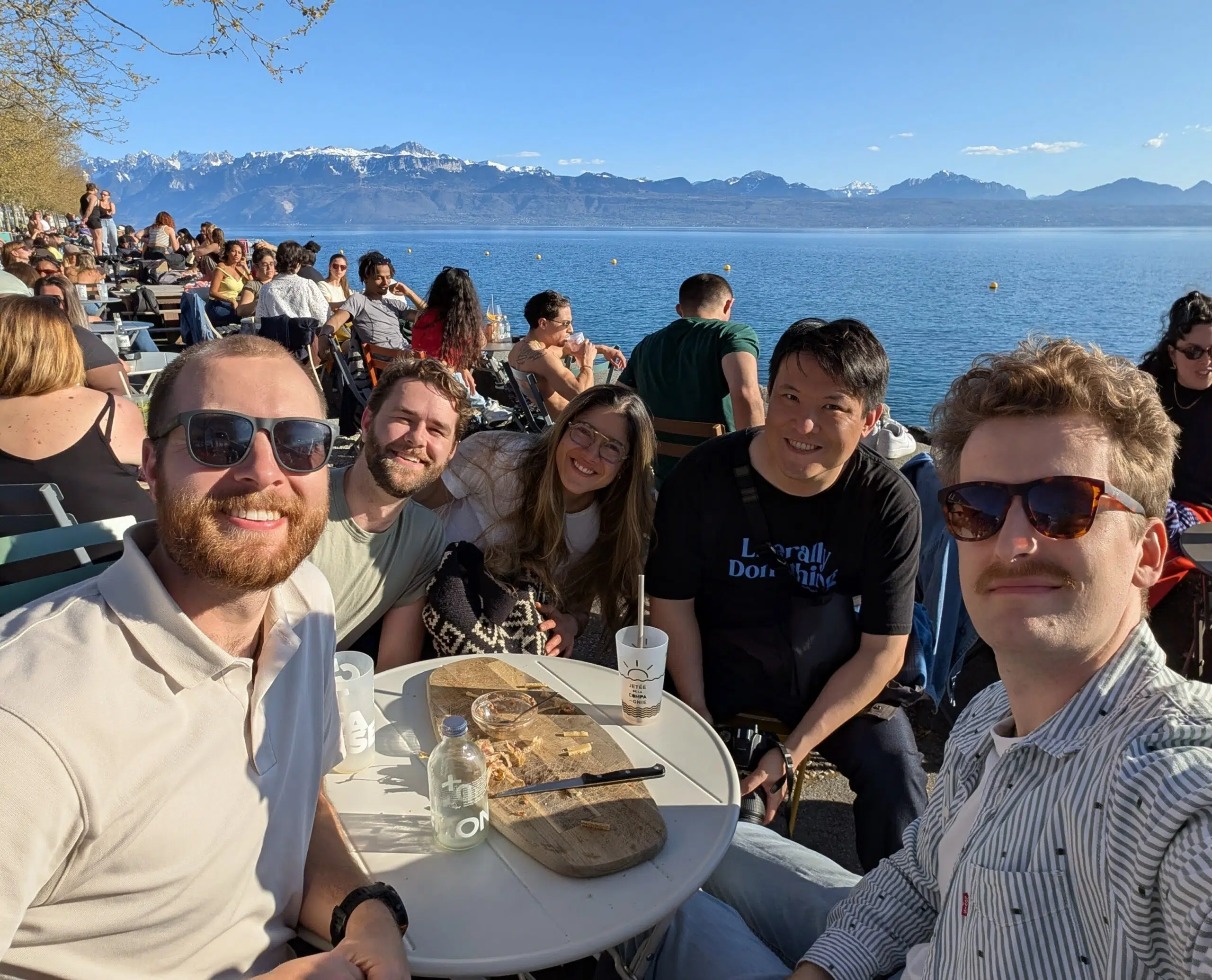
Class was followed by charcuterie on the lakeside. It’s 8:00 PM when I reach home, the taste of cheese and Aperol still lingering. Shortly after, there is a knock. I wasn’t expecting anyone. Over the last three months, seven other people have knocked on my door in a similar fashion. They were all strangers. They were never looking for me. Their faces were always just as confused as mine upon opening the door. A brief, silent collision of two people who didn’t belong in each other’s lives.
To explain why this is relevant, I have to wind back time to the end of March.
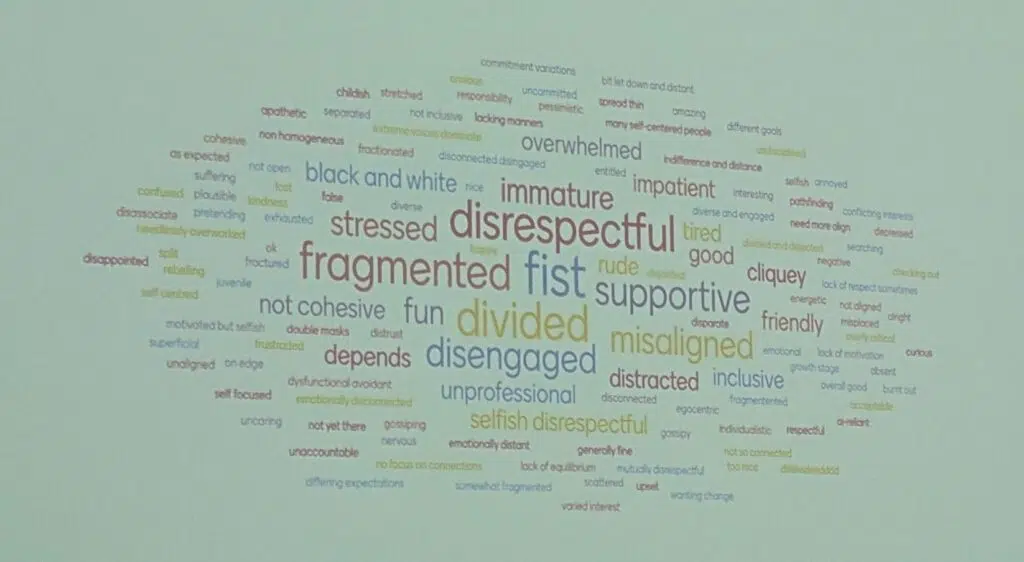
“How would you personally describe the cohort at the moment?”
That question has been rattling around the auditorium. The class felt fragmented, disengaged. We weren’t living up to our contract. We called for a collective session to discuss our behavior. The disruptive side conversations. The glow of phones under desks. The laptops open to anything but the lecture. The way people walk out halfway through a session . We all saw the problem. We’re all a part of it.
Yet, in a room of ninety professionals with CVs that could move mountains, nobody told their neighbor to put their phone away. You take ninety high-achievers, put them in an MBA program, and the group dynamic doesn’t always work the way you’d expect. But the behavior isn’t the root cause.
The real question is: “What is the role of business education today?”
We all know the era of employers lining up to hand out jobs the moment we graduate is over. We signed up for a transformative experience, but transformation isn’t a product you buy; it’s a process. I found a piece by MIT’s Otto Scharmer asking, “What type of learning is needed now?” It was a relief to know that IMD isn’t the only world-class institute doing some soul-searching.
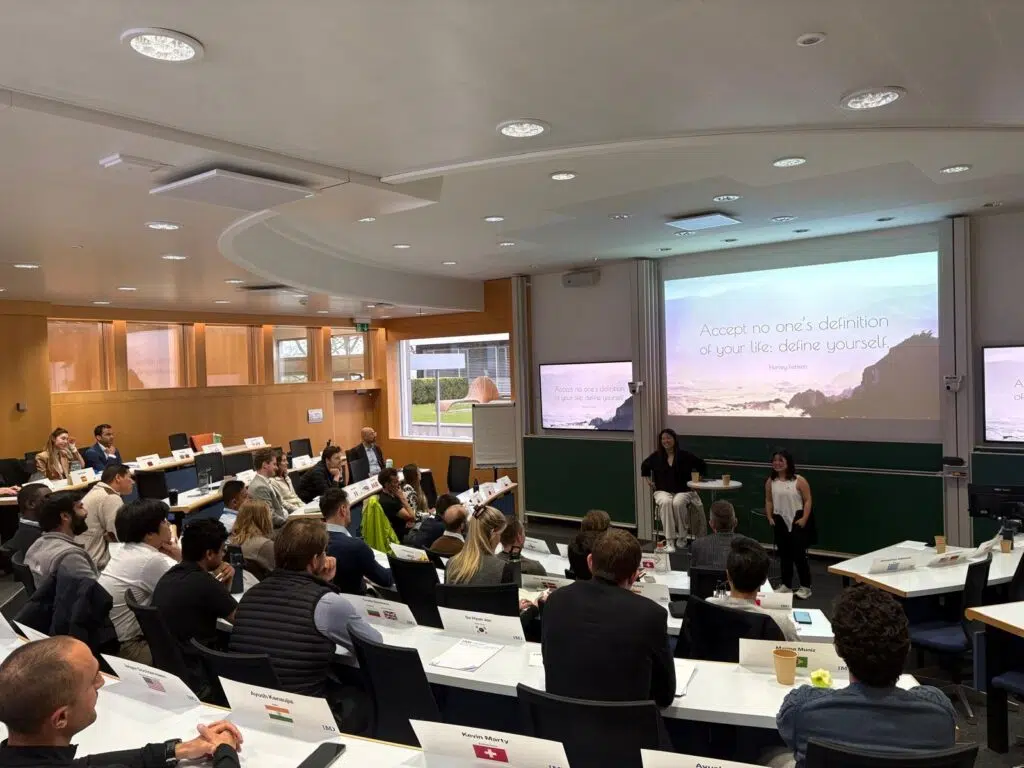
To support our search, the lineup of speakers this month has been vast: IBM, Google, Henkel, Hilti, Novo Nordisk, Galderma, Citi, Tetra Pak, IOC, P&C. The list goes on. All of them face disruptive change. Some speakers left the room in a state of depression, sketching a world where AI renders jobs obsolete and the pie isn’t shared equally. Others view AI as little more than a tool to automate PowerPoint decks while “real” business is still managed diligently in Excel. The contrast between organizations is vast, and both ends of the spectrum are true. Challenge and opportunity. One speaker captured the irony of our position perfectly: none of us would be here without fossil fuels. Our modern lifestyles are built on that foundation. And so we hold a deep appreciation, while knowing the systems must change. The paradoxes and uncertainty created the ideal conditions for a breakdown.
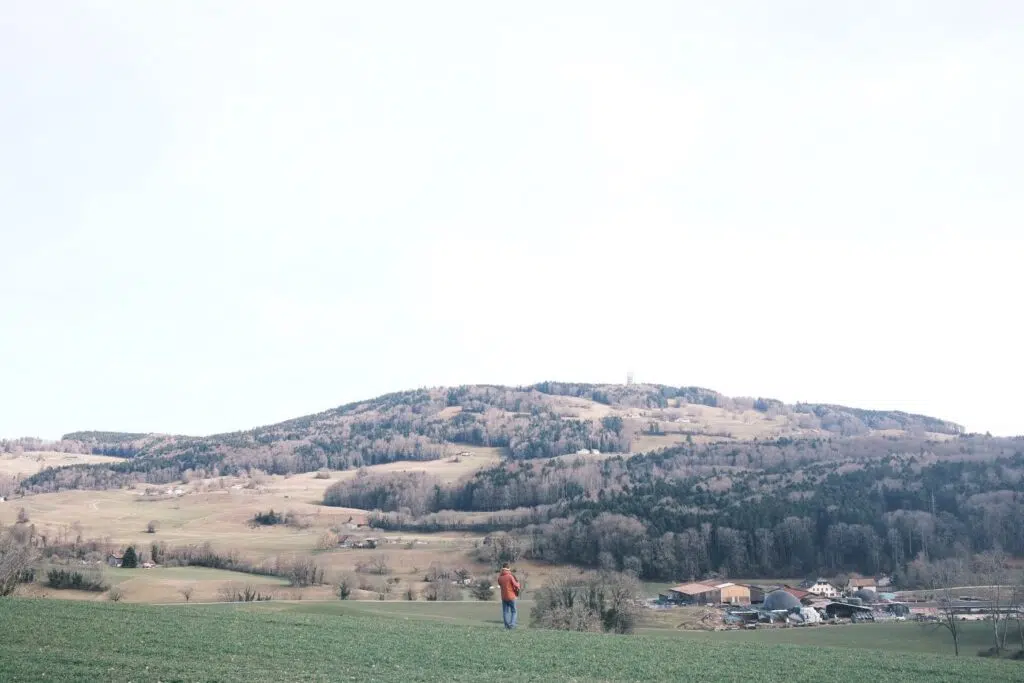
I see the landscape mirrored across every scale: our interior condition, the cohort, the institute, and the city. After a few months in Lausanne, the postcard version of the city is beginning to peel (making Lausanne much more interesting). If the late-night drug deals by the pristine lakeside weren’t enough to break the spell, the Lausanne Cités (the local newspaper) cover story on teenage prostitution certainly did . There is a raw reality beneath the polish that they don’t put in the brochures. Just down the road from our classrooms, the IOC, Nestlé, and Philip Morris cast long, complicated shadows. “Swiss Made” signals quality, but lifting the hood reveals the chaos and turbulence on the inside. The Chairman of Credit Suisse came to campus, and the air was thick with the questions that weren’t asked. What is the social responsibility of banks? How do we deal with accountability? What do we learn from a collapse?
We listened to the Richemont Chief Transformation Officer, and discussed the ongoing transformation at Tetra Pak, focusing on systems of long-term strategy and multi-generational decision-making. All these organizations are in the midst of change, without simple answers.
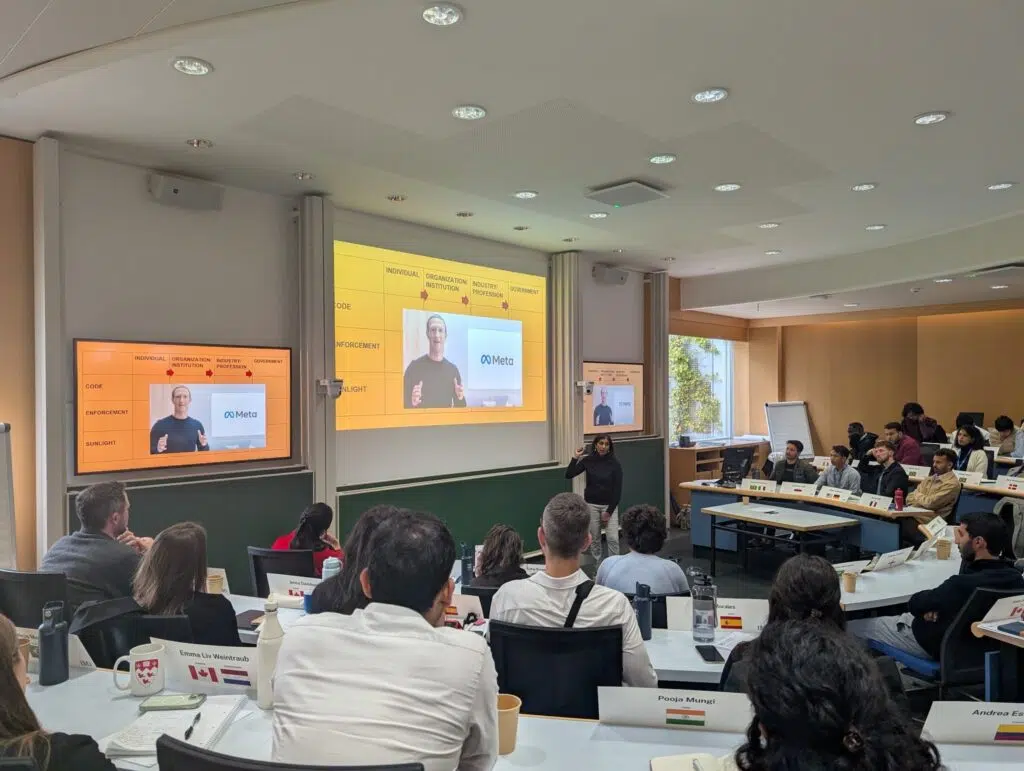
Besides business leaders, a former FBI agent educated us on the mechanics of complicity and the methods of manipulation used by the likes of Epstein. The most interesting nodes are in the middle of broken systems: those who don’t want to stand out and instead go along with the crowd, driven by self-preservation. My takeaway is to no longer pretend that everything is perfect. The undiscussable aren’t helping.These situations have made me realise how we can all turn into spectators. Holding back on controversial questions, difficult feedback, and challenging dialogues. Looking around the room, I wonder: who are we acting for? What makes us scared to poke through the “perfect” veneer? I’ve recently been re-watching Avatar: The Last Airbender with my partner.
There is a scene where Uncle Iroh asks Zuko: “Who are you, and what do you want?” That question has been echoing in my head for weeks. It has re-emerged during badminton sessions, lakeside sunsets, and chaotic group projects. In the show, Zuko breaking free to pursue his destiny only happens fourteen episodes later. Change takes time.
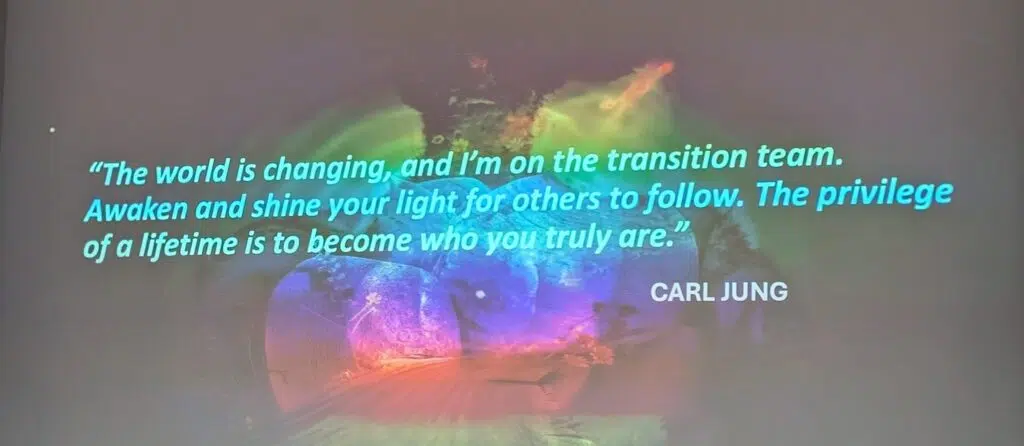
This leads me back to the strangers knocking on my door.
They’re showing up for what they want. Honest. With agency and without a mask. Expecting to find a woman to have sex with, though they knocked on the wrong door.
Spring is here. The birds aren’t waiting fourteen episodes to decide who they are; they’re building nests and announcing themselves to the world right now.I imagine they’re chirping the same question:
Who are you, and what do you want?
Felix Mollinga is part of our 2026 MBA class.
Considering your own MBA? Find out if IMD is the right fit. Learn more →