The case documents Unilever’s journey toward exclusively using certified sustainable tea in its major tea brands. It illustrates the decision of Lipton’s executives to source all tea from Rainforest Alliance CertifiedTM farms and follows their efforts to raise it to a higher level within Unilever by positioning it at the core of an ambitious market transformation effort. It provides a framework for discussions around the business case for sustainable sourcing of mainstream brands. It also raises questions related to the potential economic impacts for Unilever and its competitors of transforming the entire industry to certified tea. The case sets the scene for discussions around the challenges of supply chain and market roll-out of sustainability conversion of high value brands. On the supply-chain side, it shows Unilever’s approach of obtaining quick wins by going for the “low hanging fruits” in sustainability conversion, supported by already existing capacities in Lipton’s own tea plantations in Kenya. It also follows the company’s efforts to extend training and certification to more fragmented parts of its supply chain. On the market side, it shows the case for an accelerated roll-out. It documents how Unilever changed its initial strategy of focusing on the Western European market for the first three years by quickly expanding to Japan, the US and Australia. The case ends by pointing to the significant challenges Unilever faces as the demand for certified tea grows exponentially and other major players in the global market begin to certify their own brands. It also describes Unilever’s dilemma when it considers taking an even bigger step: extending sustainable sourcing to the domestic market of India, the world’s biggest producer and consumer of black tea.



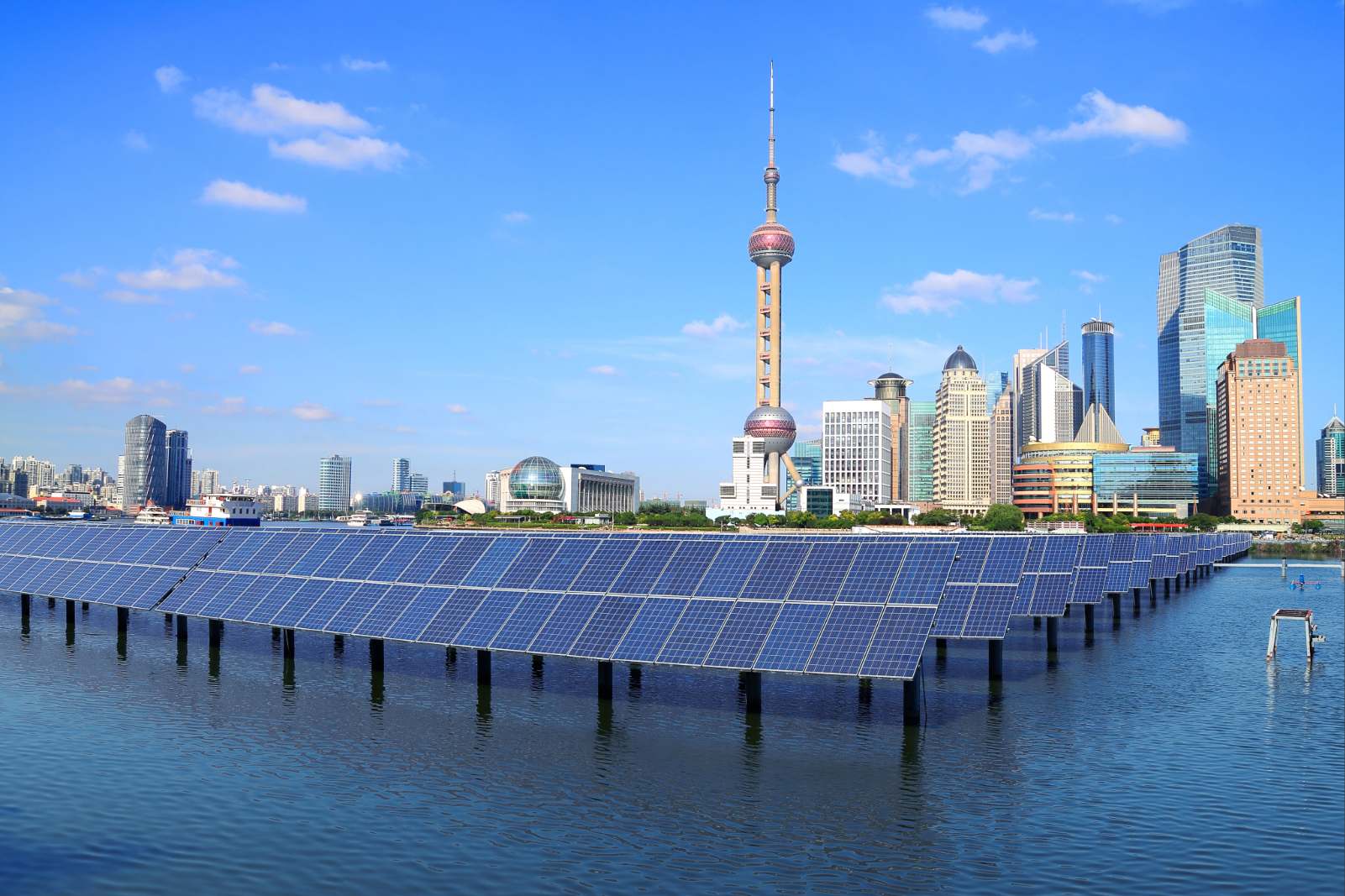

For more than a decade, ESG-linked funds and corporate sustainability strategies have run on the same quiet assumption: spend more on sustainability, and the market will eventually reward you for it. The problem, however, is that this theory is mo...

For years, executives were sold a compelling idea: doing good would also mean doing well. Surveys suggested that consumers were increasingly willing to pay more for products seen (or marketed) as better for the planet. Consultants reinforced the m...

Research Information & Knowledge Hub for additional information on IMD publications
Research Information & Knowledge Hub for additional information on IMD publications
Research Information & Knowledge Hub for additional information on IMD publications
Research Information & Knowledge Hub for additional information on IMD publications
Research Information & Knowledge Hub for additional information on IMD publications
Research Information & Knowledge Hub for additional information on IMD publications
Research Information & Knowledge Hub for additional information on IMD publications
Research Information & Knowledge Hub for additional information on IMD publications
Research Information & Knowledge Hub for additional information on IMD publications
Research Information & Knowledge Hub for additional information on IMD publications