
The verdict is in: to avoid further disaster for our planet, we have to reform capitalism. And fast. At the top of the list is managing our natural resources more efficiently and equitably. To succeed, all sectors have to be on board: science and technology to find creative solutions; national and international governments to legislate; companies to change their business models; and consumers and citizens to changes their habits.
However, even with the best intentions, if all of these players don’t work together, our chance of success (and survival) seem slim. Changes in consumer behavior can’t move the needle on their own, nor can any isolated technology, government reforms, or companies acting alone.
This idea was pioneered last century by the scholar Karl Polanyi, who already challenged the prevailing fragmented view of neoliberal ‘Chicago’ economists. He clearly saw that it was time to focus much more on collective action than individual efforts. To work together technologies must be combined, governments have to legislate at the international level, companies need to develop new types of coalitions, and consumers have to get organized.
We’re starting to see some action. International organizations and conventions (the UN’s SDGs, COP, IPCC, UNCCD) focused on sustainability, the environment, climate change, desertification and other crucial topics are playing a bigger role than ever in influencing governments. Companies are creating new types of coalitions, including Moving’On in the area of sustainable mobility; Livelihoods in subsistence agriculture; and Action Tank-Social & Business, which is bringing together big companies and NGOs to develop business models to tackle poverty. These initiatives – and others like them – must be encouraged.
This brings us to why Switzerland has a historic opportunity. The country hosted the League of Nations a century ago, the first COP event on climate change 40 years ago, and welcomed the World Business Council for Sustainable Development 25 years ago.
By organizing, hosting, and supporting these types of collaborative movements, Switzerland can spearhead a movement of businesses coming together to create impact in their sectors.
One company alone can’t change the world. But wider coalitions can break the mold of traditional capitalism and make it work for all.
And Switzerland can lead the way.
This article was originally published in Tribune de Genève








Here is a question worth considering next time you go to the supermarket: when was the last time you bought something primarily because it was sustainable? Not just sustainable along with everything else you cared about. But sustainable as the lea...
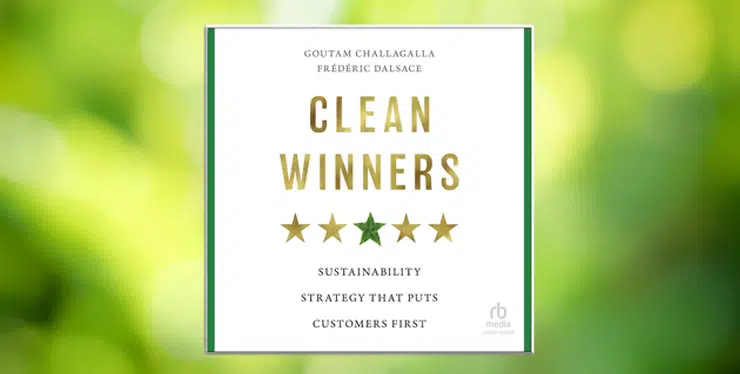
There is a belief embedded deep in most corporate sustainability strategies: if we just communicated better and showed customers the science and the stakes around our green products, more of them would come around to buying them (even if they were...
Research Information & Knowledge Hub for additional information on IMD publications
Research Information & Knowledge Hub for additional information on IMD publications
Research Information & Knowledge Hub for additional information on IMD publications
Research Information & Knowledge Hub for additional information on IMD publications
Research Information & Knowledge Hub for additional information on IMD publications
Research Information & Knowledge Hub for additional information on IMD publications
Research Information & Knowledge Hub for additional information on IMD publications
Research Information & Knowledge Hub for additional information on IMD publications
Research Information & Knowledge Hub for additional information on IMD publications
Research Information & Knowledge Hub for additional information on IMD publications