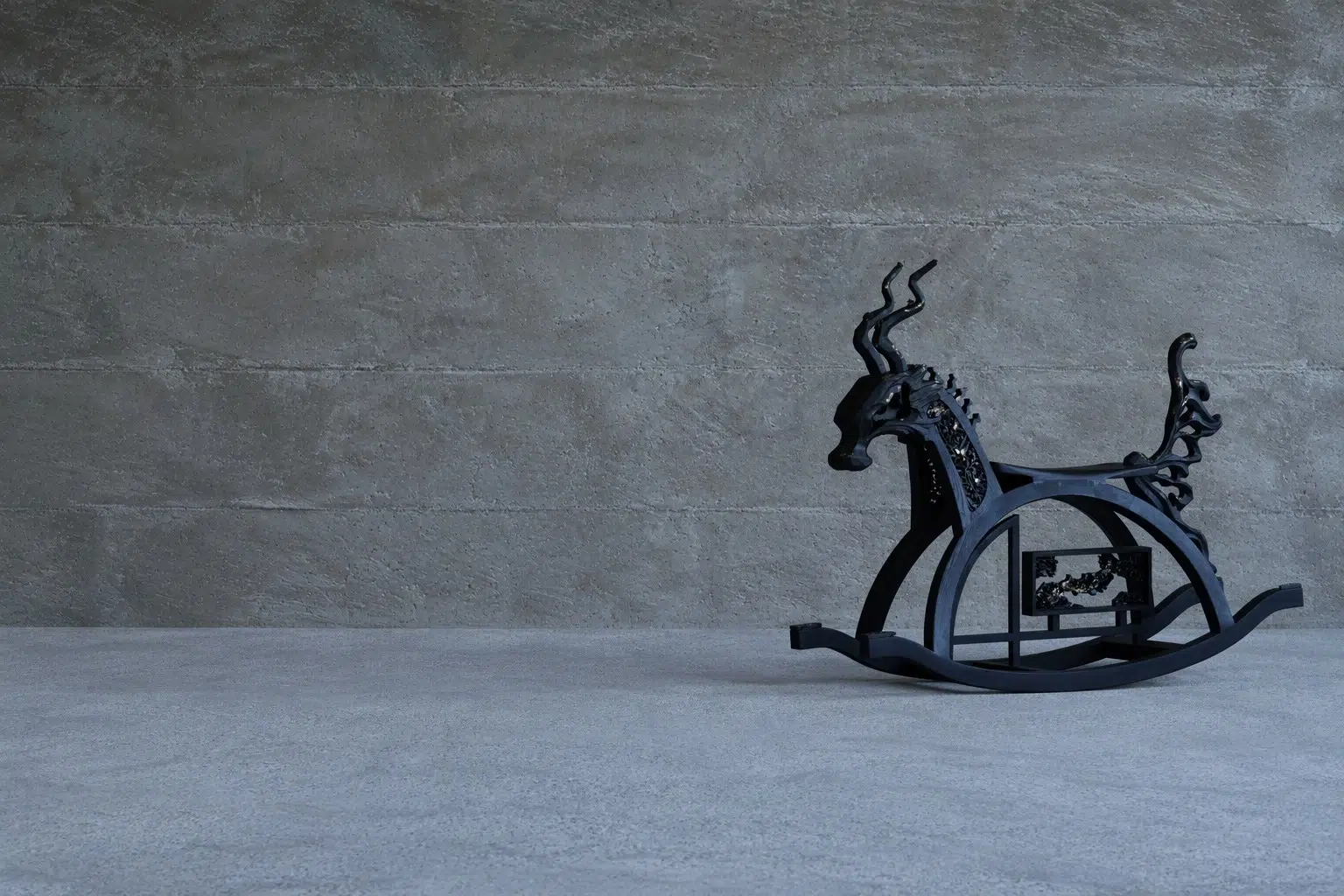
Chinese luxury is rewriting the rules
“For Western historic brands, the greatest risk is not simply losing market share in China; it is that this alternative definition of luxury
gradually becomes the global standard.”
The rise of Chinese luxury brands is reshaping the global luxury landscape. While many established Western houses are struggling to maintain momentum in China, a new generation of Chinese brands is growing rapidly by challenging traditional ideas of what luxury means.
Drawing on analysis of 34 emerging Chinese brands across six sectors, this report identifies a new model of “honest luxury”: less status, more meaning; less heritage, more relevance; less symbolism, more functionality; less exclusivity, more community; and less marketing, more substance.
The report explores what is driving the success of these brands, the challenges they face as they expand internationally, the paths ahead for their continuing development, and what established Western luxury houses can learn from their rise.
Five key insights from the report
-
- Chinese luxury brands are coming of age
As many Western luxury brands stagnate or decline in China, emerging Chinese brands are gaining ground, attracting greater investor confidence, and becoming increasingly credible competitors. - Chinese brands are redefining what luxury means
Rather than relying primarily on heritage, status and exclusivity, leading Chinese brands are competing through relevance, functionality, community, cultural connection, value for money, and values. - A different marketing playbook is emerging
China’s leading brands are developing new approaches to understanding demand, publishing content at scale, and building influence with fewer traditional KOLs, offering lessons that extend beyond the Chinese market. - Going global will be the real test
Despite their domestic success, Chinese brands still have a relatively limited international footprint. The transportability of their business model, geopolitics, cross-cultural management, ESG credibility, and long-term staying power could all constrain international growth. - Both Chinese and Western brands need to adapt
Chinese brands must protect what makes them distinctive while building the capabilities needed to compete internationally. Historic luxury houses, meanwhile, can learn from China and reconsider how they compete both there and globally.
- Chinese luxury brands are coming of age
Download the full report to discover the new rules of luxury.
Explore the Luxury 2050 Initiative








Research Information & Knowledge Hub for additional information on IMD publications
Research Information & Knowledge Hub for additional information on IMD publications
Research Information & Knowledge Hub for additional information on IMD publications
Research Information & Knowledge Hub for additional information on IMD publications
Research Information & Knowledge Hub for additional information on IMD publications
Research Information & Knowledge Hub for additional information on IMD publications
Research Information & Knowledge Hub for additional information on IMD publications
Research Information & Knowledge Hub for additional information on IMD publications
Research Information & Knowledge Hub for additional information on IMD publications
Research Information & Knowledge Hub for additional information on IMD publications