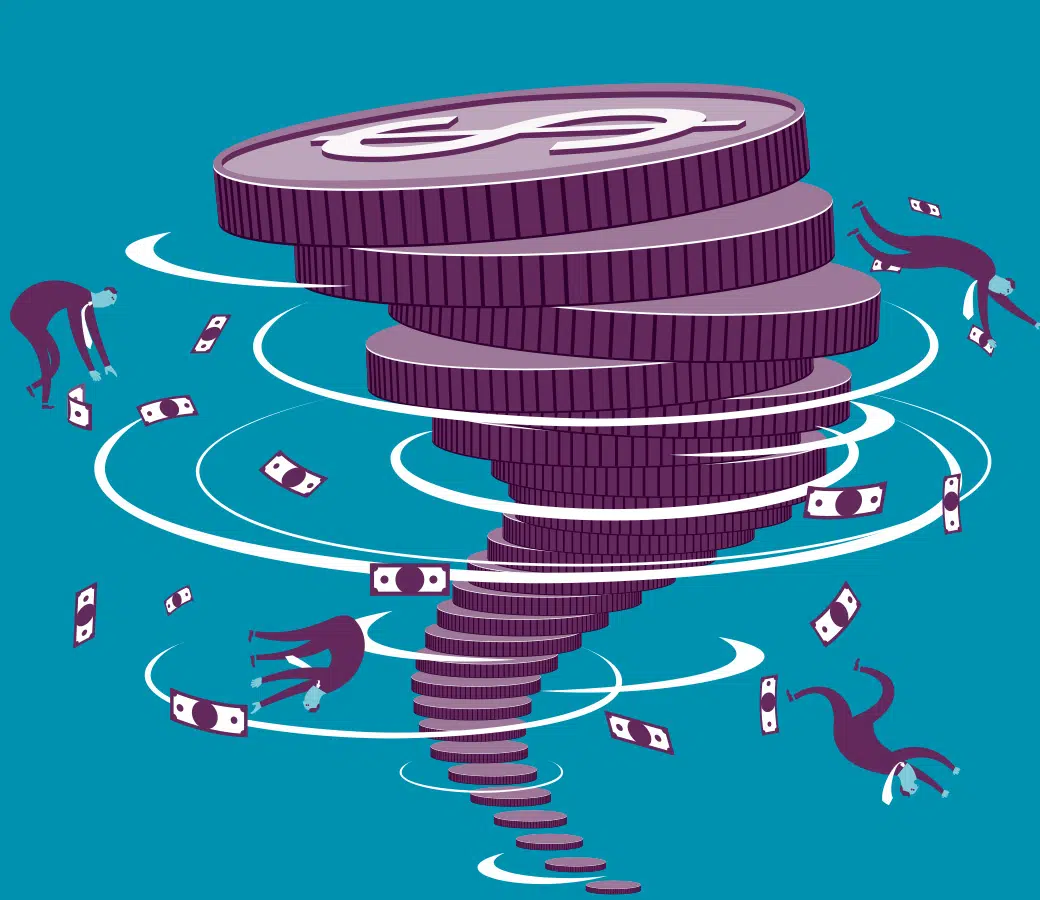
The COVID-19 pandemic is not only affecting people’s daily lives and the global economy, it is also sending shockwaves through financial markets. We have witnessed equity market declines not seen in a generation—and this is only the beginning.
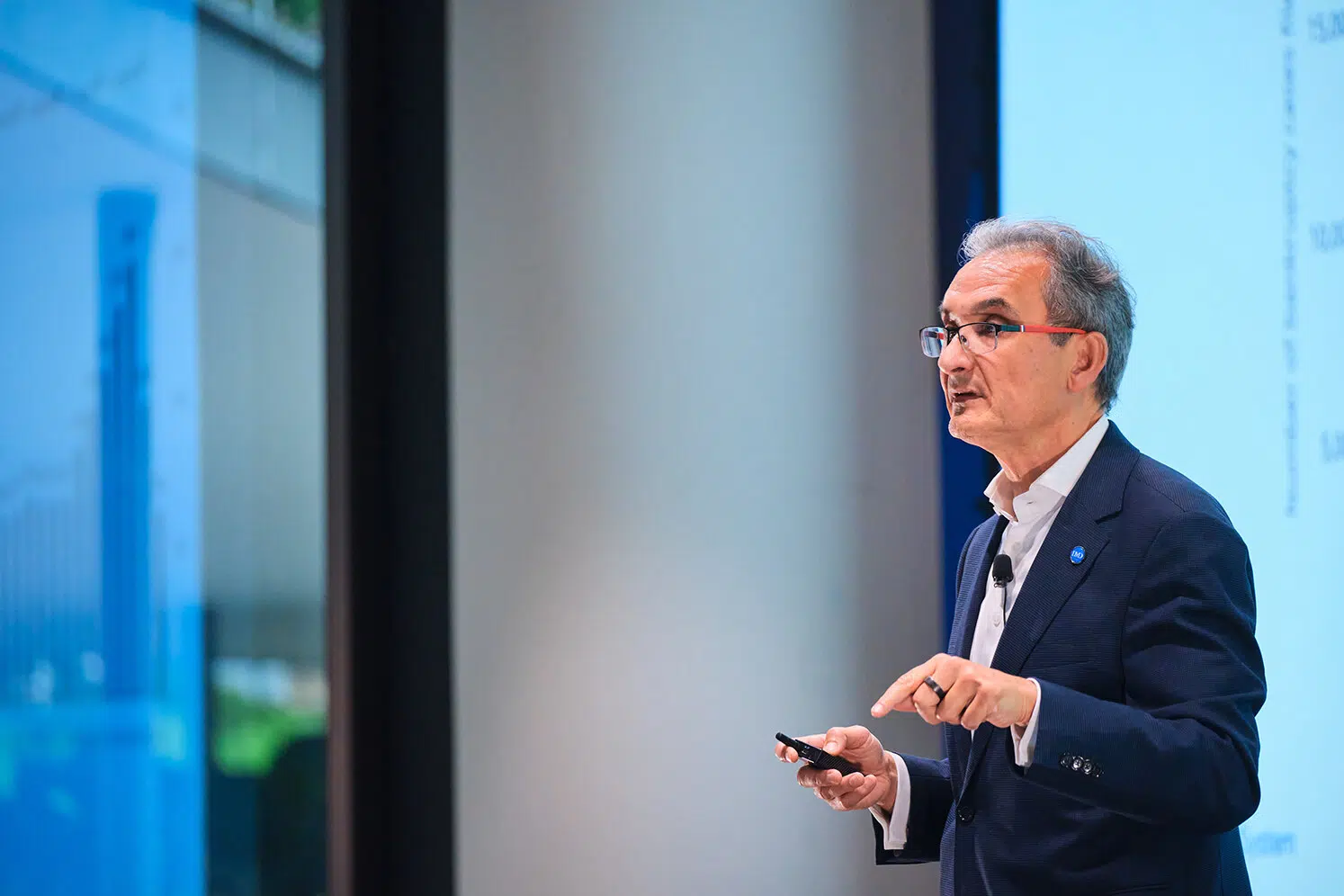
In this webinar, Karl Schmedders, Professor of Finance, IMD, discusses the current state of the world’s financial markets and attempts to provide an outlook in response to recent policy measures.
But this expert in computational economics and the effect of external factors on finance is not as optimistic as some. While most recent commentary on the economic impacts of the coronavirus crisis has suggested the consequences will be severe but short-lived, he believes the road to recovery will take much longer than expected.
Professor Schmedders explores the U-shaped economic model he predicts will prevail. After the current, steep decline, he suggests a somewhat flat bottom will follow, ending in a slow, low-sloping recovery.
To find out more about upcoming webinars from the Leading in Turbulent Times series, please visit the full schedule here.





Research Information & Knowledge Hub for additional information on IMD publications
Research Information & Knowledge Hub for additional information on IMD publications
Research Information & Knowledge Hub for additional information on IMD publications
Research Information & Knowledge Hub for additional information on IMD publications
Research Information & Knowledge Hub for additional information on IMD publications
Research Information & Knowledge Hub for additional information on IMD publications
Research Information & Knowledge Hub for additional information on IMD publications
Research Information & Knowledge Hub for additional information on IMD publications
Research Information & Knowledge Hub for additional information on IMD publications
Research Information & Knowledge Hub for additional information on IMD publications