
Which cities are making their citizens the most satisfied, and why?
Smart City Index
Which cities are making their citizens the most satisfied, and why?
What are smart cities, as seen through the eyes of their people?
The WCC defines a ‘smart city’ as one that strikes a good balance between its economic prowess (jobs and business activity included), applied technology, environmental concerns, and inclusiveness. The end goal? To facilitate a high quality of life for those living there.
The Center produces a yearly Smart City Index measuring economic and technological aspects of smart cities on the one hand, and “humane dimensions” of smart cities (quality of life, environment, and inclusiveness) on the other. In contrast with other WCC rankings, the IMD Smart City Index results draw almost entirely on survey responses.
In 2026’s seventh edition, a total of 148 cities worldwide were assessed.




Read the full report
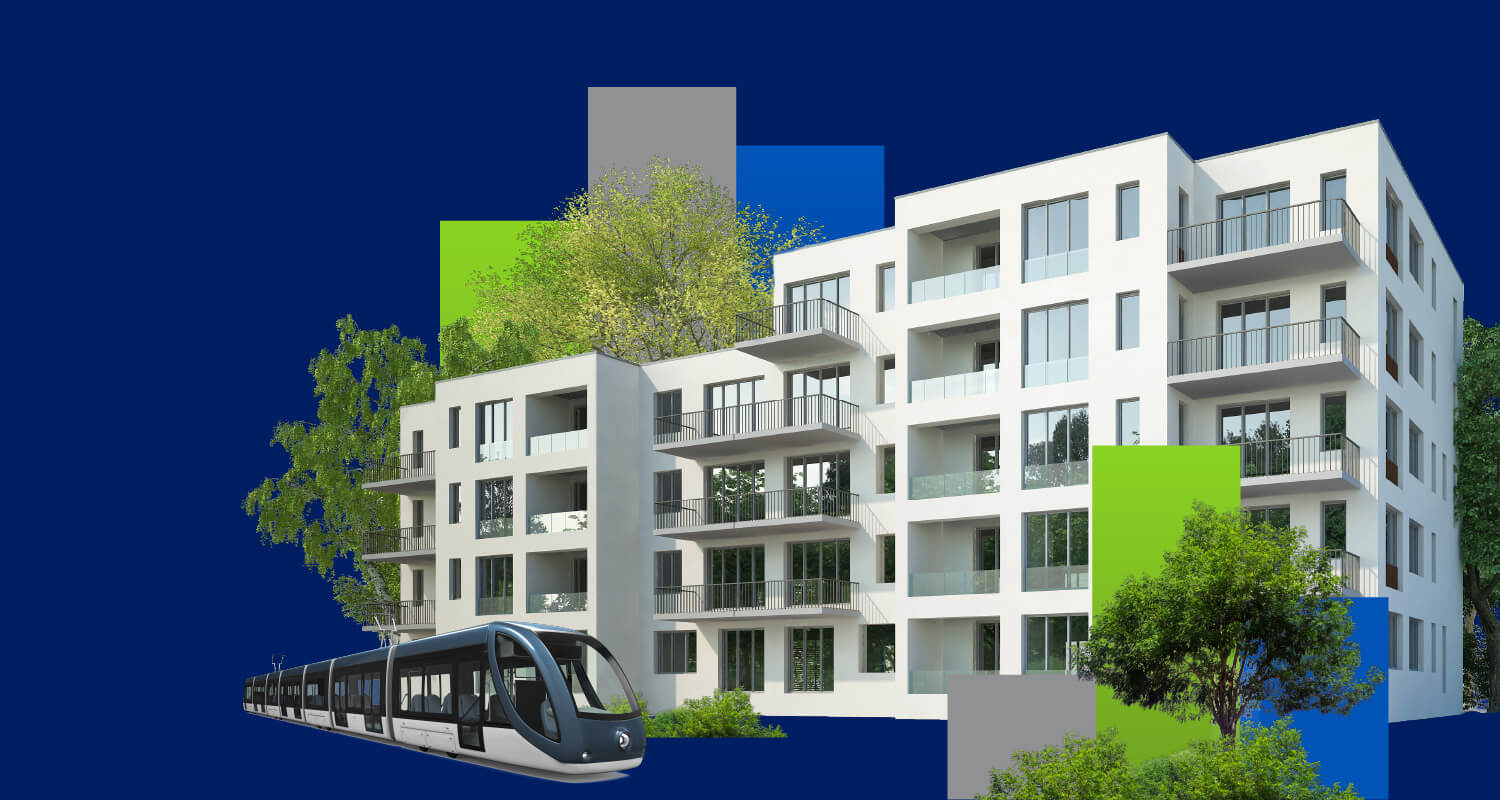

Cities in a Time of Global Emergencies
Edited by Professor Arturo Bris, Christos Cabolis, Chan Heng Chee, and Bruno Lanvin.
This is the second volume of smart cities case studies published as a companion to the IMD-SUTD Smart City Index. It follows the award-winning ‘Sixteen Shades of Smart’, released in 2019.
The ten case studies contained in ‘Cities in a time of global emergencies’ describe and analyze the experience and strategies of smart cities from Africa, Europe, Asia, and the Americas. Some of them are just starting their smart city journey, while others have already gone through several versions of their strategy to respond to their citizens’ needs by becoming even smarter. The comparison of the approaches taken is a source of factual knowledge about the possible future of smart cities and casts a new light on what their options might be in the face of today’s and tomorrow’s emergencies.
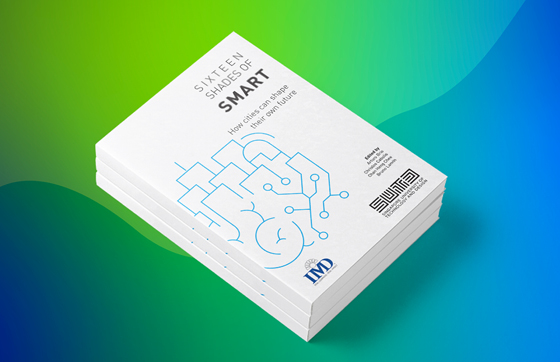
Sixteen shades of Smart: How cities can shape their own future
Smart cities are a fast-growing species, and a fascinating field for new experiments in a number of critical areas, ranging from urban planning, sustainable energy, and transport strategies to social integration and talent attraction, to name a few. As leaders and citizens around the world continue to assess, design, implement and improve on ways to create better cities, they often find themselves confronted with a multitude of decisions and a wide range of partial solutions to specific problems such as traffic congestion, waste management and crime.
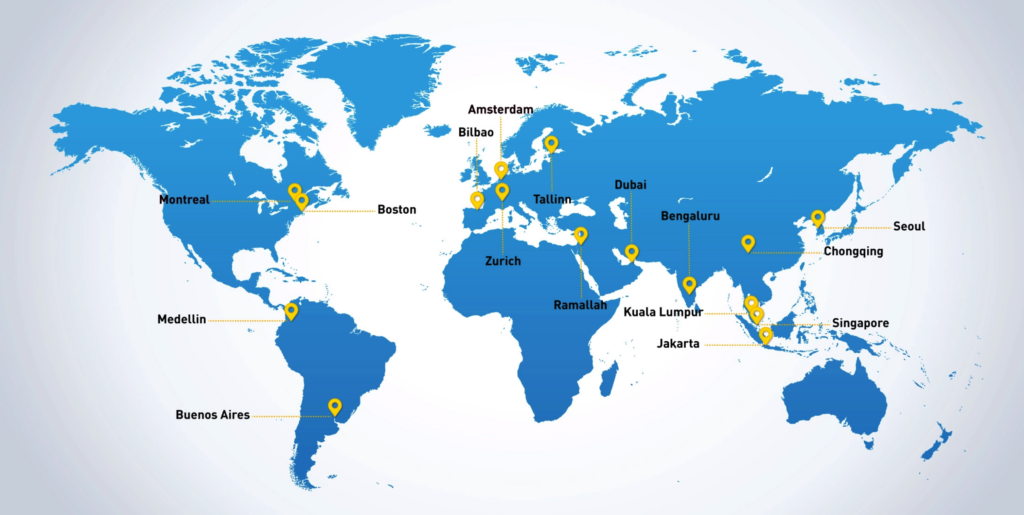
It includes 16 case studies, produced by the Lee Kuan Yew Centre for Innovative Cities at SUTD (covering Asia and the Pacific) and the IMD World Competitiveness Center (covering other parts of the world). Producing these studies has yielded important lessons about how to enhance the value and uniqueness of our smart city index, as well as precious insights on how our two institutions can work together in a very synergistic way to produce unique insights.
Sixteen shades of Smart has been awarded the bronze medal in the Business Intelligence/Innovation category at the Axiom Book Awards.