
Searching for your first board role? Start here
To transition into the boardroom, you need a brand, a unique board proposition, and a governance mindset - but you also need to consider the value you add and the cultural fit...


by Robert Vilkelis Published July 16, 2025 in Brain Circuits • 3 min read
What makes you watch a movie a first, second, and sometimes even a third time? You can practice public speaking the same way. When you first watch a movie, what are you paying attention to? Most likely, it’s the plot; the narrative; the core of “what” is going on. Public speaking is much the same: before anything else, get clear on what you’re going to speak about. What key message do you want to leave people with? Stick to a few key points and avoid the impulse to throw too much in. Know what you want people to think, feel, or do by the time you finish.
When you watch a movie the second time, what are you looking for? Most likely, it’s the things you missed the first time, such as things characters say that foreshadow subsequent events and plot nuances. This is about looking at how the story is told. The same goes for public speaking: once you’ve got the content of your speech down, it’s time to hone your delivery. Where would a pause give the audience time to reflect? When should you bring the point home? What gestures would emphasise your words and bring your message to life?
What would drive you to watch a movie for a third time? Most likely, it’s because there’s something meaningful to you about it – a character you identify with or a conflict you can relate to. Beyond what the movie is about or how it’s portrayed, it’s how you connect with it that brings you back and keeps you engaged. In public speaking, this comes down to how you communicate “why” your audience should listen to you. Having refined your delivery, it’s time to shift your focus outwards onto the audience and develop the relational aspect of your speaking. Where are you looking when you speak? Making meaningful eye contact with your audience is vital. How are you showing your vulnerability? Demonstrating authenticity boosts your credibility. How are you opening yourself up? Coming across as approachable encourages further conversation.
The next time you have a speech on the horizon, use CPR. By successively developing each skill, you will quickly master public speaking and advance from being a polished performer to a relatable and memorable speaker.

Robert Vilkelis is an education professional with a track record of designing and delivering large-scale learning experiences that prioritize scalable structure and the people at its core. He has managed complex operations, led multi-layered teams, and driven measurable improvements in learner satisfaction, retention, and impact across international English camps and EdTech spaces.

March 17, 2026 • by Jennifer Jordan in Brain Circuits
To transition into the boardroom, you need a brand, a unique board proposition, and a governance mindset - but you also need to consider the value you add and the cultural fit...

March 12, 2026 • by Simon J. Evenett, Oliver Jones in Brain Circuits
Research indicates that 14% of companies report net positive effects from political risks that disrupted competitors, creating market openings to capitalize on temporary dislocations and long-term shifts in global trade patterns. Simon J...
March 11, 2026 • by Milda Mitkute in Brain Circuits
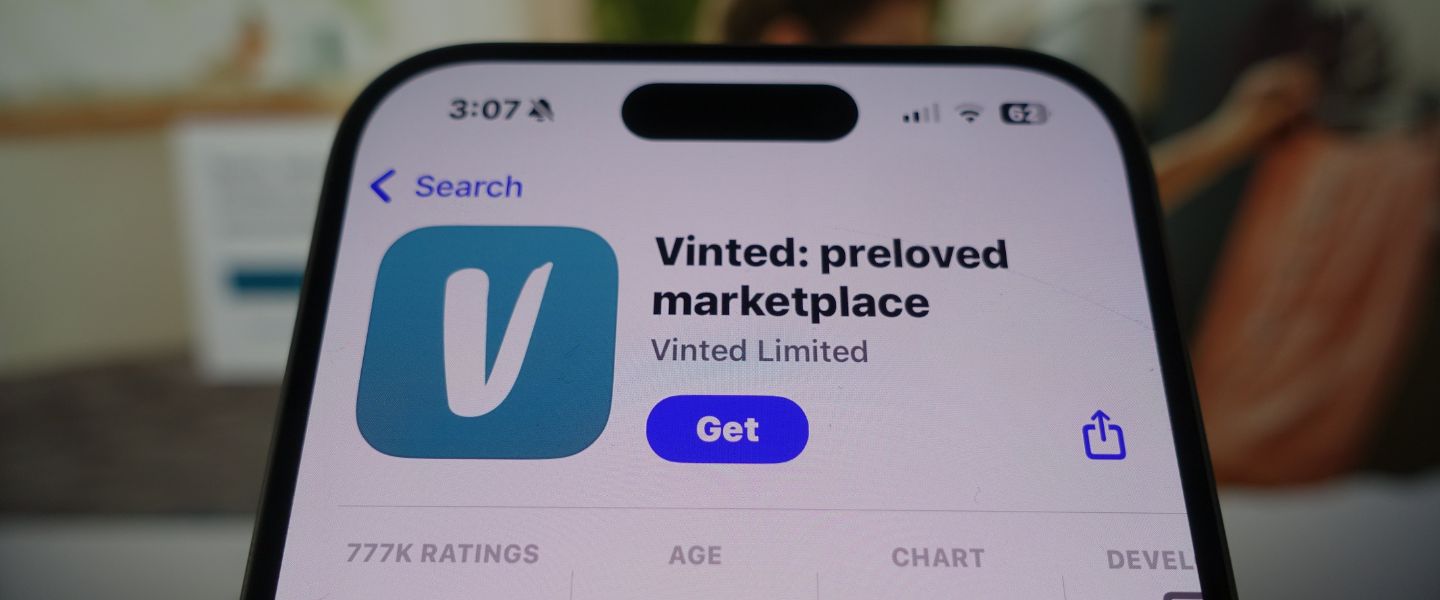
Milda Mitkute shares lessons from scaling second-hand clothes business Vinted into Lithuania’s first unicorn, and launching a new startup to make maths education more engaging and accessible for children. ...

March 10, 2026 • by Richard Roi, Luca Condosta in Brain Circuits
Non-linear career paths that deviate from the functional norm in some way can produce leaders who deliver more impact. Consult the checklist to see whether you are promoting people with more diverse...
Explore first person business intelligence from top minds curated for a global executive audience